
Ocean City, Maryland buyers and sellers are both watching the same three variables right now: price movement, available inventory, and how quickly listings are moving. Understanding how those pieces interact can help you decide whether to act now, wait for more choices, or prepare a property for market with sharper pricing. This guide breaks down the local market in plain language so you can make a move with more confidence and less guesswork.
What the Current Ocean City Market Is Really Saying
Along the coast, housing trends rarely move in a straight line. In Ocean City MD, market conditions often reflect a mix of seasonal demand, second-home interest, investment activity, and the practical realities of beach-area ownership such as insurance, maintenance, and rental potential. That means headline numbers matter, but context matters even more. A rise in average price does not always mean every segment is surging, just as an increase in listings does not always signal a weak market.

For buyers, the key question is whether prices are stabilizing enough to support a confident purchase without feeling rushed. For sellers, the focus is whether demand remains strong enough to support competitive pricing and favorable showing activity. In many coastal markets, including Ocean City, the answer can vary by property type. Condos near the beach, townhomes with low-maintenance appeal, and detached homes in nearby sections of the market may each perform differently even within the same month.
Inventory is often the clearest signal to watch. When choices are limited, well-prepared listings can attract fast attention and stronger offers. When more homes come online, buyers gain comparison power, and pricing discipline becomes more important. That is why looking only at median price can be misleading; the fuller story comes from pairing price with supply and days on market.
In a coastal market, even a modest shift in available listings can change negotiating leverage quickly, especially when buyers are comparing condo fees, insurance costs, and proximity to the water at the same time.
If you are browsing Ocean City with flexibility, timing your search around new inventory can make a real difference. Fresh listings tend to draw the most attention early, while homes that have been available longer may offer more room for negotiation if condition, location, and monthly carrying costs still align with your goals.
How Prices and Inventory Work Together
Price trends are easiest to understand when viewed alongside selection. If inventory remains tight, prices tend to hold firmer because buyers have fewer alternatives. If inventory expands meaningfully, pricing can level out as purchasers become more selective and compare amenities more carefully. In Ocean City MD, that comparison process often includes building age, reserve levels where applicable, parking, outdoor space, views, and ease of access to the beach or bay.
Another layer is property use. A buyer looking for a primary residence may evaluate space planning and year-round livability differently than a buyer focused on rental income or occasional use. That difference affects demand patterns. Some homes command attention because they are turnkey and updated; others compete on square footage, location, or long-term upside. Sellers who understand which strengths matter most in their segment tend to position their homes more effectively.
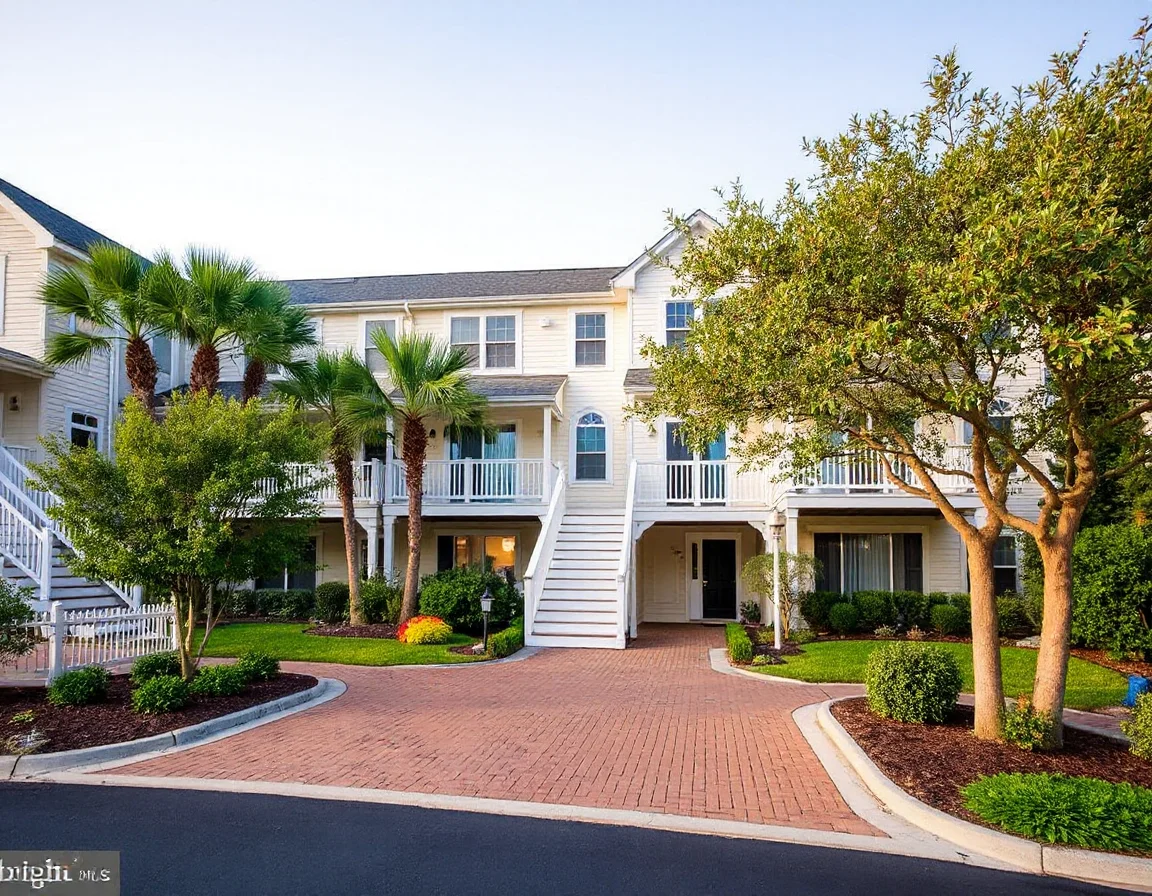
For sellers, this is where preparation counts. Clean presentation, thoughtful staging, and realistic pricing help a listing stand out when buyers are comparing multiple options online before ever scheduling a showing. For buyers, it is useful to separate “asking price” from “market value.” A property can be listed ambitiously and still sell below list if the market response is soft, while a well-priced listing may attract fast action.
Months of supply is also worth watching. A lower supply level generally points to a tighter market, while a higher supply level can create more negotiating space. In a place like Ocean City, where seasonal patterns influence both buyer traffic and seller behavior, this metric often becomes more useful than broad national headlines.
A listing that looks average in winter can become highly competitive in peak coastal traffic, so timing and presentation often matter as much as square footage.
What Buyer Timing Means in a Coastal Market
Buyer timing is not only about trying to “buy at the bottom.” In practice, the best time to buy is often when three things line up: the right property type is available, the monthly cost fits comfortably, and the competition level feels manageable. Waiting for a dramatic price drop can mean missing the exact layout, location, or building features you wanted, especially in a market with finite coastal inventory.
Early-season shopping can offer an advantage if you want first access to new listings before the busiest stretch of activity. Mid-season often brings the broadest visibility and energy, but also more competition for standout homes. Later in the cycle, buyers may find more room to negotiate on listings that have accumulated days on market, though selection may narrow.
Financing also plays a major role in timing. Rate movement changes purchasing power quickly, and coastal buyers often have additional budgeting items to review beyond principal and interest. HOA dues, flood considerations, reserves for maintenance, and seasonal ownership costs can all influence what feels affordable. A buyer who prepares these numbers in advance is usually in a stronger position to act when the right home appears.
That same logic applies to cash buyers and investors. Even without a mortgage, the smartest timing decisions usually come from understanding carrying costs and expected use, not from chasing a perfect market headline. If the property supports your plans and compares well to current alternatives, that can be more meaningful than trying to predict the next short-term shift.
What Sellers Should Watch Before Listing
Sellers in Ocean City MD should pay close attention to competing inventory in their immediate category rather than relying only on broad local averages. A two-bedroom condo in one part of the market may have very different competition than a detached home in West Ocean City or a renovated unit with stronger amenities. Reviewing active listings, recent pending activity, and final sold prices helps determine whether the market is rewarding updates, location, or value pricing most strongly at the moment.
It is also worth remembering that buyers in coastal markets often compare convenience and upkeep very carefully. Fresh paint, strong photography, clutter-free spaces, and visible maintenance can influence perceived value before a showing is ever booked. When inventory rises, these details matter even more because buyers have more options and less urgency.
For homeowners considering a sale, the goal is not simply to enter the market quickly. The better strategy is to launch with a pricing plan that reflects current competition, likely buyer expectations, and the true strengths of the property. A well-positioned listing can still perform strongly even when buyers have more choices, while an overpriced listing may lose momentum during the most important first days on market.
Whether you are buying, selling, or just tracking conditions, Ocean City remains a market where local knowledge pays off. Prices, inventory, and timing all matter, but they matter most when interpreted at the property-type level. Reading the market that way leads to clearer decisions and fewer surprises from contract to closing.