
Buying in Ocean Pines can look appealing on paper, but the real investment story comes down to three numbers: ongoing HOA costs, likely resale demand, and the return you can reasonably expect over time. This guide breaks down how those pieces work together so buyers can compare properties more clearly, budget more accurately, and avoid treating a coastal-market purchase like a one-size-fits-all investment. A stronger decision usually starts with understanding not just price, but the full cost-to-value equation.
How to Evaluate Ocean Pines Beyond the List Price
When buyers start looking at Ocean Pines, the first number they usually focus on is purchase price. That makes sense, but in a community with amenities, association structure, and a range of property types, the list price is only one part of the equation. A detached home with a lower asking price can still carry a different long-term cost profile than a similar property with fewer updates, higher maintenance needs, or a less flexible resale position.
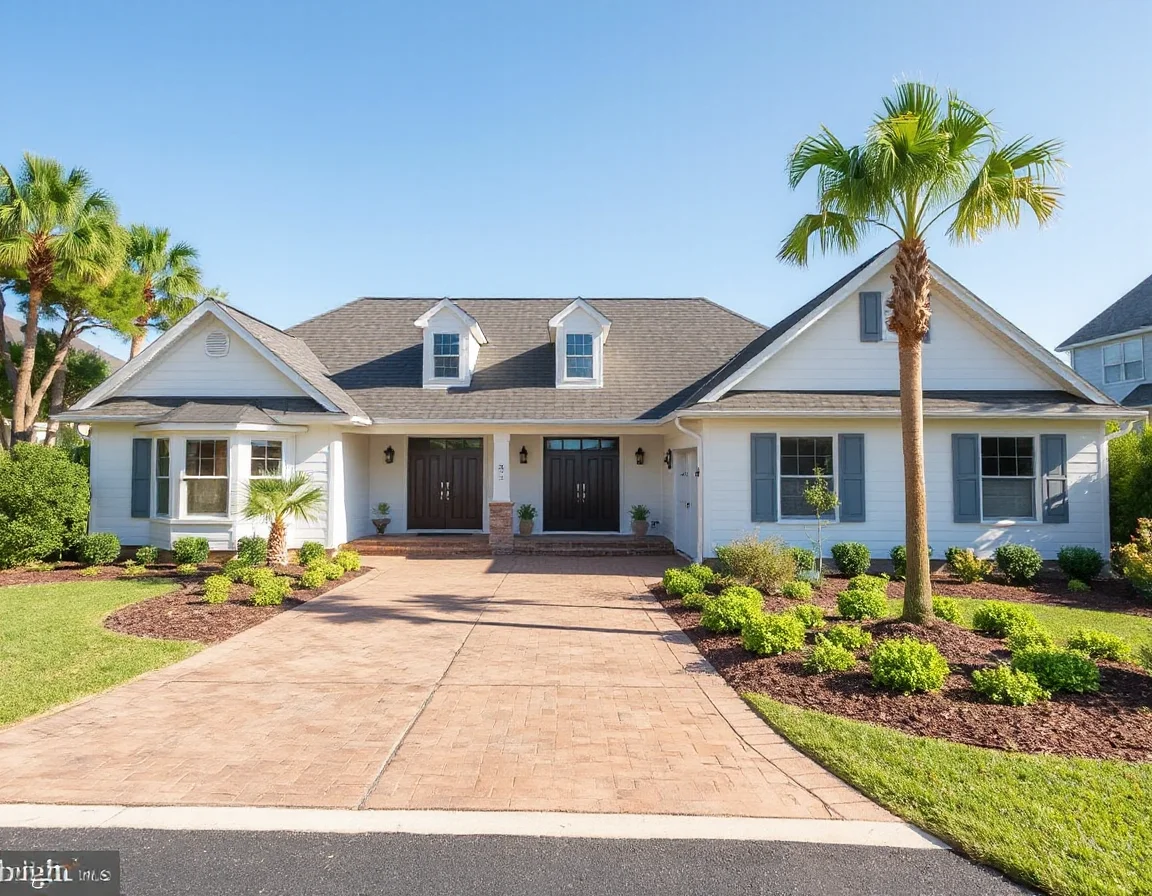
That is especially true in a market connected to the Ocean City, Maryland area, where buyers may be comparing primary residences, second homes, and investment-oriented purchases all at once. Some people prioritize year-round usability, others care most about seasonal demand, and some want a property that can hold value steadily while also serving personal use. In each case, the best opportunity is rarely the one with the lowest sticker price. It is the one where costs, condition, location within the community, and likely buyer demand line up well over time.
Ocean Pines draws attention because it offers a planned-community setting near the shore, access to local amenities, and a variety of home styles and price points. That variety can be a real advantage for investment-minded buyers, but it also means careful comparison matters. Two homes in the same community can perform very differently at resale based on updates, lot appeal, layout efficiency, age of major systems, and how easily future buyers can picture themselves using the property.
In communities with association structures, the most useful comparison is often monthly carrying cost rather than purchase price alone. That side-by-side view can reveal whether a “cheaper” home is actually more expensive to own.
HOA Costs: What They Mean for Monthly and Long-Term Returns
HOA costs are not automatically a negative for investment potential. In many cases, they support common-area maintenance, amenities, and neighborhood consistency that can help preserve curb appeal and buyer interest. The key is understanding what the fees cover, whether there are separate assessments or add-on charges to plan for, and how those costs fit into your ownership strategy.
For a buyer planning to hold the property for several years, association costs should be evaluated alongside taxes, insurance, maintenance, and any financing terms. A property with predictable dues and strong overall upkeep can be easier to budget for than a non-HOA property with more surprise exterior costs. On the other hand, if the fees push the monthly carrying cost too high relative to likely appreciation or expected rental performance, the return may narrow faster than expected.

It is also worth looking at whether the amenities align with the property’s likely buyer pool at resale. Features such as maintained common areas, recreation access, marinas, or golf-related appeal may support demand, but only if the home itself matches what buyers are looking for. A well-maintained association cannot fully compensate for an outdated floor plan, deferred maintenance, or pricing that exceeds what comparable homes are achieving.
Documents matter here. Buyers should review HOA budgets, rules, reserve health where available, and any known projects that could affect future costs. This is less about being cautious for caution’s sake and more about understanding the full asset. The better informed you are before closing, the easier it is to estimate your real ownership costs and decide whether the property supports your expected timeline.
If a home has strong curb appeal and competitive pricing but the association documents show rising obligations, build that into your return model early rather than treating it as a minor detail.
Estimate your monthly ownership costs
Resale Strength Comes From Condition, Layout, and Positioning
Resale potential in Ocean Pines is often shaped by practical factors more than hype. Buyers tend to respond to homes that are easy to understand, easy to maintain, and easy to compare favorably against other available options. Updated kitchens and baths help, but so do less glamorous details like roof age, window condition, HVAC efficiency, parking, storage, and outdoor usability.
A home with a functional layout can outperform a larger property that feels chopped up or dated. Open living areas, good natural light, modernized finishes, and solid maintenance history usually strengthen future marketability. In coastal and near-coastal markets, buyers are often especially sensitive to deferred maintenance because they know systems and exterior materials can face more wear over time. That means condition has a direct link to resale velocity and negotiation leverage.
Lot position and setting within the community can matter too. Homes on quieter interior streets may appeal differently than those closer to busier connectors, recreation areas, or water access. Neither is universally “better”; the point is that each location attribute affects buyer demand differently. When you purchase, you are not just buying the house itself. You are buying how the package will be perceived later by the next set of buyers entering the market.
Another factor is competition from newer or recently renovated inventory. If your target property would likely need work to keep up with future listings, that renovation budget belongs in your ROI analysis now, not years later. A realistic resale plan should account for what the home may need to remain competitive when it is time to sell.
Thinking About ROI in a Coastal-Adjacent Market
Return on investment is rarely one number. In a place like Ocean Pines, ROI can come from appreciation, rental income where permitted and practical, reduced renovation needs due to buying wisely upfront, or stronger resale positioning at exit. The right framework depends on your goal. A buyer holding for occasional personal use may accept a different financial profile than someone seeking strict annual performance.
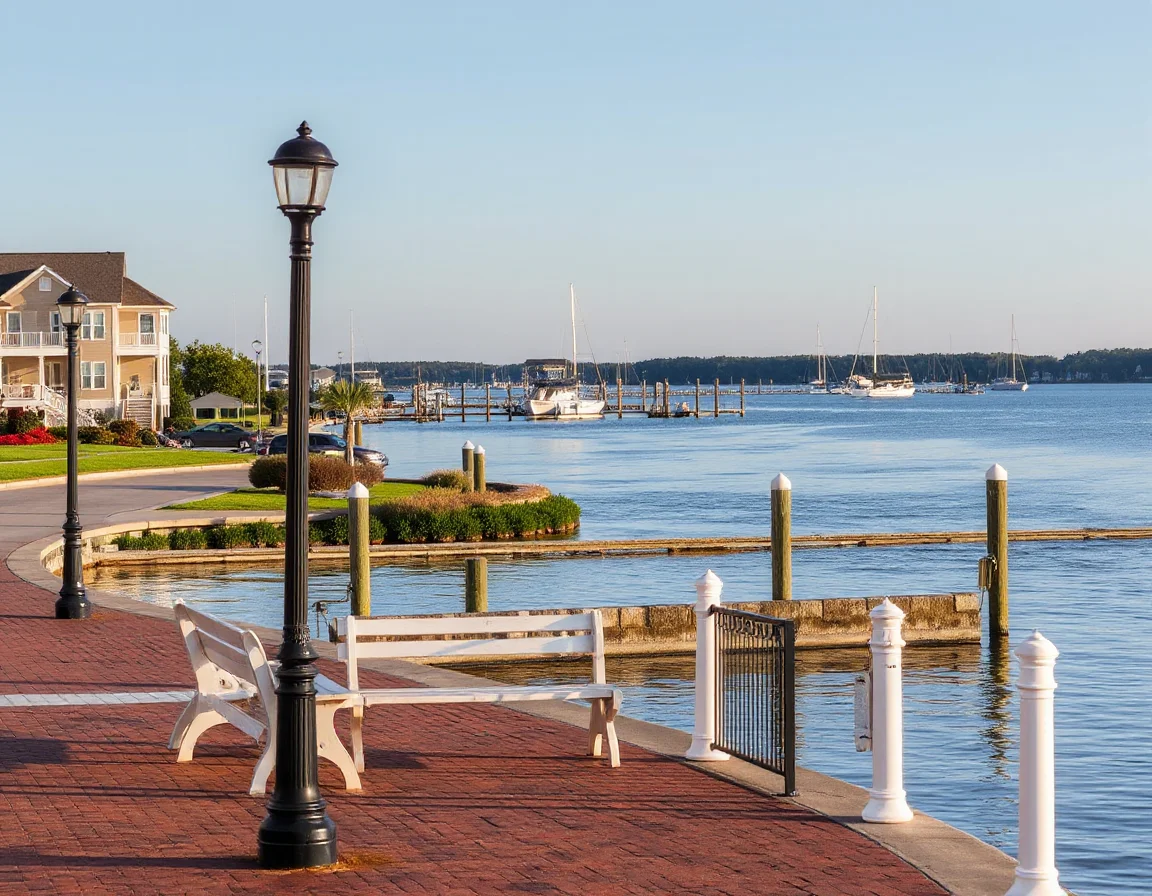
One useful approach is to model best-case, expected, and conservative scenarios. Estimate annual carrying costs, likely maintenance, and a realistic resale value range based on current market behavior rather than optimistic assumptions. Then compare that against your intended hold period. This helps you see whether the property still works if appreciation slows, insurance costs rise, or you need to invest in updates before resale.
Buyers should also remember that investment quality is often improved at the purchase stage. Negotiating well, identifying true condition issues, and understanding local demand drivers can create value before ownership even begins. A home that is slightly under market because it needs cosmetic work may offer more upside than a fully updated property bought at the top of its competitive range. The key is disciplined analysis, not chasing a headline idea of “beach area appreciation.”
Because Ocean Pines sits within reach of desirable coastal destinations while functioning as its own established community, it can offer a more layered value proposition than markets driven by one seasonal pattern alone. That flexibility can support demand, but it still rewards buyers who focus on numbers, not assumptions.
See how value is measured in today’s market
A Smarter Way to Compare Opportunities in Ocean Pines
The strongest investment decisions usually come from treating each property as its own business case. Review HOA obligations carefully, study likely resale appeal, and pressure-test your return assumptions before you fall in love with a price tag. In Ocean Pines, a good purchase can offer meaningful long-term value, but the best opportunities are usually the ones where community costs, property condition, and future buyer demand all support the same conclusion.
If you are comparing homes in this market, aim for clarity over excitement. Ask what the property will cost to own, what it may need over your hold period, and how easy it should be to resell relative to nearby competition. Those answers are what turn a coastal-market purchase from a guess into a strategy.