
Buying in Selbyville often means looking beyond price alone. HOA dues, flood-zone considerations, and closing costs can meaningfully affect monthly payments and upfront cash, especially for properties near the coast or in amenity-rich communities. A little advance planning helps buyers compare homes more accurately and move into contract with fewer surprises.
What buyers should review before making an offer
Selbyville gives buyers access to a wide range of property types, from established neighborhoods inland to newer homes and coastal-close communities with shared amenities. That variety is part of the appeal, but it also means two homes with similar list prices can carry very different ownership costs. Before focusing only on square footage or finishes, it helps to build a full picture of recurring expenses and one-time fees so the numbers on paper match the reality of ownership.
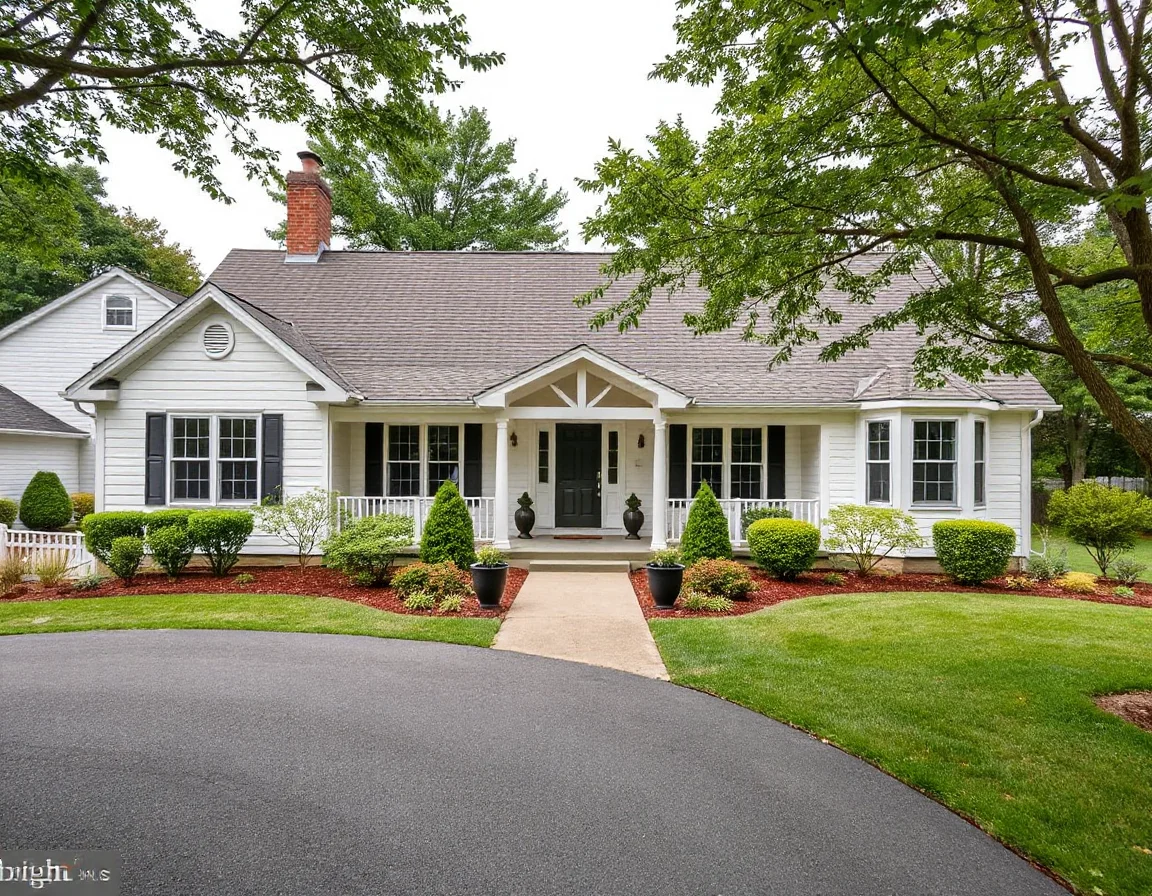
For many buyers, the first big comparison point is whether a home is in a community with an HOA. In and around Selbyville, HOA structures can range from modest annual dues to more substantial fees tied to amenities like pools, clubhouses, lawn maintenance, or common-area upkeep. Those charges are not automatically a drawback; they may cover services that reduce separate maintenance expenses. The key is understanding exactly what the dues include, how often they are paid, and whether there are capital contribution fees or transfer fees due at closing.
It is also worth asking for the resale package or community documents early in the process. Those materials can outline use restrictions, budget details, reserve funding, and rules related to rentals, exterior changes, parking, or amenity access. Buyers who read them before contingencies start to tighten are in a better position to decide whether a community fits their plans and budget.
Two homes with similar mortgage payments can still have noticeably different monthly costs once HOA dues, insurance, and tax escrows are added in. Comparing the full payment picture early can save time and sharpen your search.
Another practical step is to distinguish between “low dues” and “good value.” A community with lower fees may leave more exterior maintenance to the owner, while a higher-fee neighborhood may bundle services that simplify ownership. Neither model is universally better. What matters is how those costs align with the property’s condition, amenities, and your overall budget strategy.
How flood zones can affect cost and financing
Because Selbyville is connected to the broader coastal market of South Delaware, flood-zone research deserves close attention. Not every property will require flood insurance, and not every home near the water carries the same exposure or premium level. Still, buyers should avoid assumptions based on distance alone. Lenders typically determine insurance requirements using the property’s flood-zone designation, but elevation, construction details, and coverage type can all affect the final insurance quote.
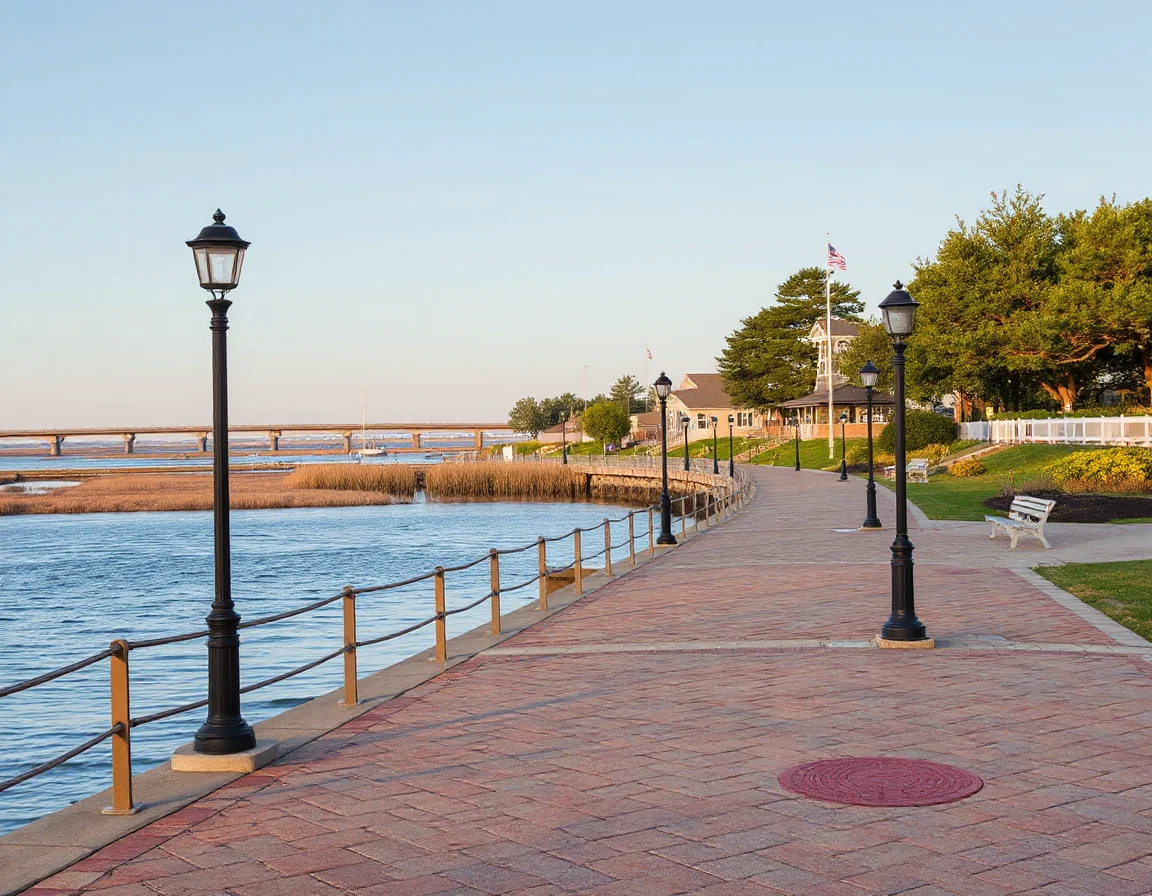
A smart move is to request an insurance quote during the due diligence period rather than waiting until the last week before closing. That quote can help buyers evaluate the true monthly carrying cost and avoid scrambling if the premium comes in higher than expected. In some cases, a seller may have an existing policy history or elevation certificate that provides useful context, though buyers should always verify current requirements with their lender and insurance professional.
Flood-zone status can also influence resale strategy down the road. Buyers often think about purchase affordability, but long-term ownership includes future marketability, insurance renewals, and maintenance planning. Reviewing drainage, lot grading, crawlspace conditions, and any history of water intrusion is part of a thorough inspection mindset, especially in areas influenced by coastal weather patterns.
Insurance quotes can change meaningfully from one address to the next, even within the same zip code. Pulling that number early is one of the simplest ways to reduce closing-week surprises.
None of this means flood-zone properties should be ruled out. It simply means they should be evaluated with clear numbers. Some buyers find the location, design, or community benefits well worth the added insurance cost, while others prefer a home with fewer variables in the monthly budget. The advantage comes from making that decision with complete information rather than guesswork.
Ask for help reviewing total buying costs
The closing costs buyers often underestimate
Beyond down payment funds, closing costs are another category that deserves attention from day one. In Selbyville, a buyer’s final cash-to-close can include lender fees, appraisal charges, title-related expenses, transfer taxes, recording costs, prepaid interest, homeowners insurance, and escrow deposits for taxes and insurance. If the property is in an HOA or condo association, add possible working capital contributions, document fees, and transfer charges to the checklist.

One reason closing costs feel unpredictable is that some items are fixed while others vary based on loan program, purchase price, timing within the tax year, and whether the seller offers any concessions. Prepaids can look especially large because they are not all “fees” in the traditional sense; some are funds collected in advance to set up the escrow account or cover the first part of ownership. That distinction matters when budgeting, even though the cash requirement is still real.
Buyers should also plan for expenses outside the settlement statement. Inspection costs, specialty inspections if needed, moving expenses, immediate repairs, utility setup, and post-closing purchases can quickly add up. Even a well-maintained property may require a few practical first-month items, so keeping a reserve after closing is often just as important as reaching the closing table itself.
One useful strategy is to ask for a line-by-line estimate early, then update it once a specific property is identified. That creates a working budget that becomes more accurate as the transaction moves forward. It also makes it easier to compare homes in different communities, especially when one has lower HOA dues but higher insurance, or vice versa.
Why a full-cost view leads to better decisions
Buying in Selbyville is often about balancing lifestyle goals with clear financial planning. A home near the coast, in a golf community, or in a neighborhood with shared amenities may be exactly the right fit, but the smartest comparisons happen when buyers look beyond list price and evaluate the whole ownership picture. HOA fees, flood-zone insurance, and closing costs are not side notes; they are part of the actual cost of purchasing and carrying the property.
When buyers review those details early, they can write stronger offers, avoid last-minute stress, and focus on homes that truly fit their budget. That kind of preparation also creates flexibility. If one property has higher upfront costs, a buyer may choose to adjust price range, loan structure, or community preference rather than discovering the issue after inspections and underwriting are already underway.
Selbyville continues to attract attention because it offers access to coastal amenities, nearby beach markets, and a range of housing options across Sussex County. The buyers who navigate it most confidently are usually the ones who ask practical questions early, gather numbers from the right sources, and compare properties on total cost rather than headline price alone. That approach makes the process steadier, clearer, and much easier to manage from search to settlement.