
Buying a first home in Sussex County is more manageable when financing and closing are treated as a sequence of clear decisions instead of one large leap. From setting a payment range to reviewing coastal insurance, HOA documents, and the final Closing Disclosure, a thoughtful plan can help you move forward with fewer surprises and more confidence.
Start With a Comfortable Financial Picture
Before browsing homes from Lewes to Selbyville, begin with the numbers that shape every later decision. A lender can help estimate what you may qualify to borrow, but your personal comfort level matters just as much. Look beyond the purchase price and consider the complete monthly housing cost: principal, interest, property taxes, homeowners insurance, mortgage insurance when applicable, and any association dues.

A useful early step is checking your credit report and gathering recent pay statements, tax returns, bank statements, and documentation for other income or assets. Lenders commonly request these items during pre-approval, and having them ready can make the process smoother. Avoid opening new credit accounts, making large undocumented deposits, or changing employment arrangements without first discussing the potential impact with your lender.
Pre-approval is different from a casual online estimate. It gives you a clearer view of loan options and lets a seller know that your financing has already received preliminary review. Ask your lender to explain the loan types available, the down payment requirements, estimated cash needed at closing, and how the interest rate may affect the monthly payment. A comparison of at least a few scenarios can be more helpful than focusing on one headline rate.
In Sussex County, the monthly cost can vary meaningfully from one property to another because taxes, insurance, flood-zone status, and HOA fees are property-specific. Build your budget around the complete payment, not the list price alone.
For properties near the Delaware coast, insurance deserves early attention. Depending on location, elevation, construction, and lender requirements, buyers may need to evaluate homeowners, wind-related coverage, or flood insurance. An insurance professional can provide property-specific guidance and quotes before you remove contingencies. This is particularly valuable when comparing beach properties, townhomes, condos, and inland homes that may have very different ongoing costs.
Estimate a monthly mortgage payment
Make an Offer With the Right Questions Answered
Once pre-approved, your home search can become more focused. In Sussex County, inventory can range from established homes in Milton and Milford to coastal condos, newer construction around Ocean View and Frankford, and beach-area properties near Rehoboth Beach, Bethany Beach, and Fenwick Island. Each property type brings its own questions, so take time to review what is included in the sale, what maintenance responsibilities come with ownership, and what expenses may change after closing.
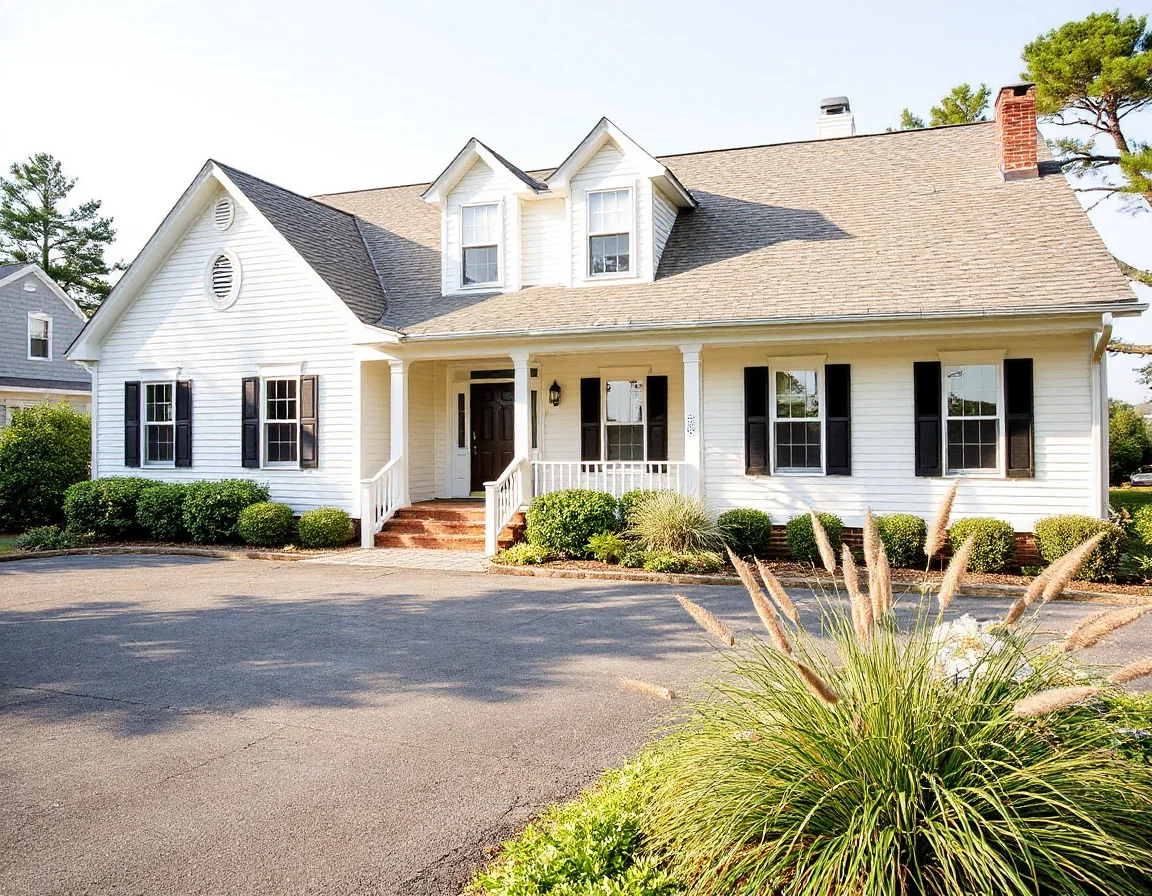
When you find a property that fits your goals, an offer usually addresses more than price. It can include the requested settlement date, deposit terms, financing contingency, inspection contingency, appraisal contingency, and any items that are expected to remain with the home. Your real estate professional can help explain the local contract forms and timelines, while your lender can confirm whether the proposed terms align with the loan process.
During the inspection period, focus on understanding the home’s present condition and likely maintenance needs. A professional home inspection can identify visible concerns with systems and components, but it is not a warranty or a guarantee of future performance. Depending on the property, buyers may also choose specialized inspections or evaluations for items such as wells, septic systems, wood-destroying insects, chimneys, pools, or HVAC equipment.
Condominiums and communities with homeowners associations require another layer of review. Read the governing documents, current budget, fees, rules, reserve information, and any notices about pending assessments. These documents can clarify responsibilities for exterior maintenance, common areas, rental policies, insurance, parking, and architectural changes. Knowing these details before settlement can help you understand both the practical and financial side of ownership.
An appraisal is the lender’s review of value for the loan, while an inspection helps you understand the property’s condition. Both are important, but they answer different questions.
Appraisal is another key milestone. If the appraised value supports the contract price, financing can continue toward final approval. If it comes in below the purchase price, the parties may need to revisit the agreement. Your agent and lender can explain the available options based on the contract, loan program, appraisal findings, and current timeline.
Explore first-time buyer resources
Prepare for Settlement Day and the First Weeks of Ownership
As closing approaches, the pace often feels faster because several tasks happen at once. Your lender will finalize underwriting, verify documentation, arrange the appraisal review, and provide a Closing Disclosure. Federal rules generally require buyers to receive this disclosure at least three business days before consummation of most mortgage loans, giving you time to compare the final figures with your Loan Estimate and ask questions about changes.
Review the Closing Disclosure carefully. Confirm the loan amount, interest rate, monthly payment, cash to close, lender charges, prepaid items, escrow amounts, title-related charges, and credits. If anything is unclear, ask before settlement day rather than waiting until documents are ready to sign. Your settlement or title professional can explain closing documents, and your lender can address questions related to loan terms and required funds.
Buyers typically complete a final walk-through shortly before closing. This is not another inspection; it is an opportunity to verify that the property is in the agreed condition, requested repairs have been addressed as documented, and included items remain in place. Bring a copy of the contract and repair agreements so the walk-through has a clear reference point.
After signing, save your settlement paperwork, inspection reports, warranties, permits, and insurance records in one secure place. Set up utility accounts, note seasonal maintenance needs, and make a simple first-year plan for improvements. Owning a home is not about completing every project immediately; it is about understanding priorities and making informed choices over time.
First-time buyers in Sussex County benefit from a process that leaves room for questions. With early lending conversations, careful property review, and a deliberate closing checklist, you can approach the purchase with practical expectations and a stronger grasp of the details that matter most.