
Pricing a Sussex County home is more than choosing a number that feels right. The strongest list price reflects recent competing sales, the home’s condition, its location, and the timing of the local market—then gives buyers a compelling reason to schedule a showing. A thoughtful strategy can protect your negotiating position while helping your property stand out from day one.
Start With Today’s Competition, Not Yesterday’s Headlines
A successful pricing conversation begins with a clear look at what buyers can choose from right now. In Sussex County, that may mean comparing properties near the Delaware beaches, homes in established inland communities, newer construction, and condos or townhomes with different fee structures. A headline about national prices is useful background, but it cannot replace a close review of active listings, pending contracts, and recent closed sales near your home.
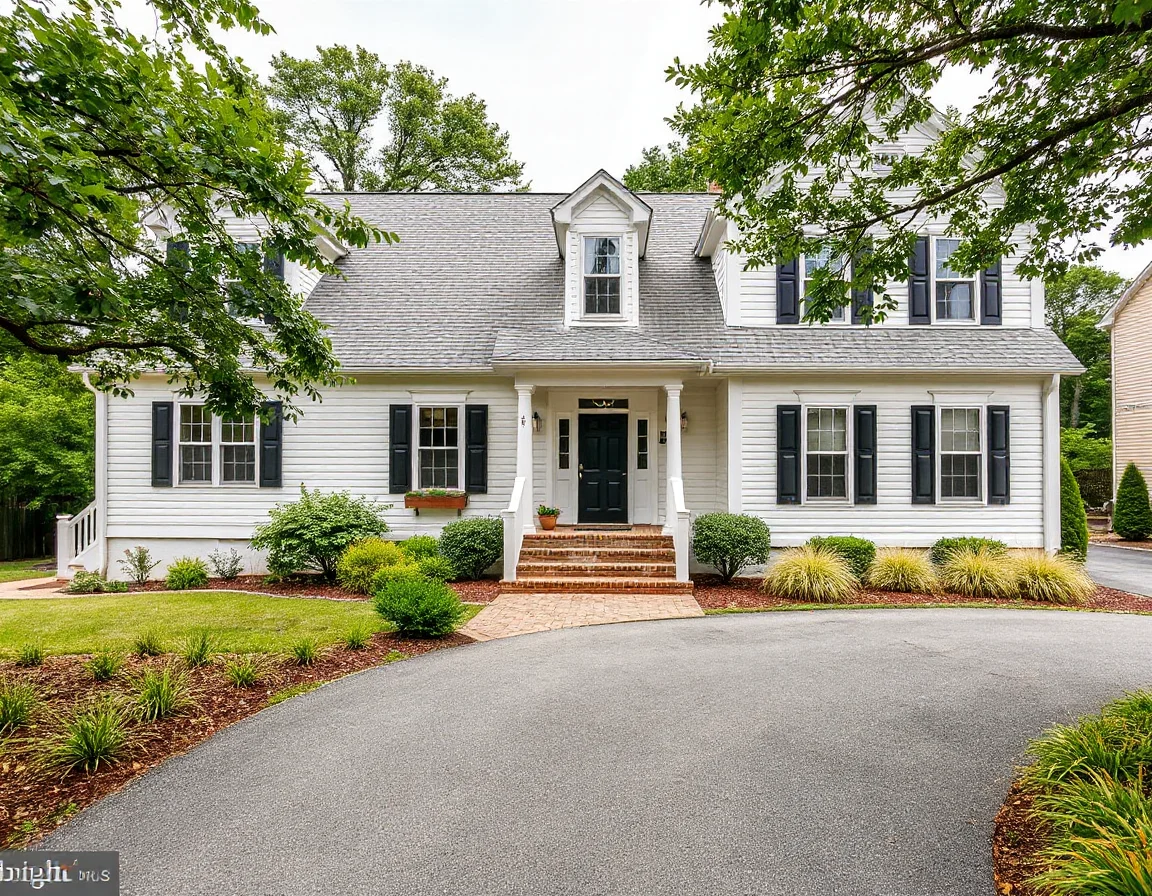
Recent closed sales are the foundation, but they need context. A three-bedroom home that sold several months ago may not be a direct match if it had a renovated kitchen, a larger lot, a garage, a pool, or a different proximity to coastal amenities. Likewise, a beach-area property can attract attention for features that do not show up in square footage alone, such as outdoor living space, views, rental history where applicable, or the condition of major systems exposed to the coastal climate.
Active listings matter because they are the alternatives buyers will see during the same search session. If similar homes are priced lower, your home needs a clear, supportable reason for its position. If comparable inventory is limited, that can create an opportunity—but it is still important to avoid assuming that limited supply automatically supports any price. Buyers compare carefully, and online search filters make price ranges especially influential.
The first two weeks on market often bring the broadest attention. A price that is aligned from the start can encourage stronger showing activity before a listing becomes familiar to repeat buyers.
Pending listings offer another valuable clue. Their final prices may not yet be public, but their list prices, days on market, presentation, and timing can help reveal where current demand is concentrating. A local comparative market analysis should distinguish between homes that are truly comparable and homes that merely share a ZIP code.
Price the Features Buyers Can See—and the Work They Cannot
Every property has a story, and pricing should make that story easy to understand. Fresh paint, thoughtful staging, updated lighting, strong photography, and a polished exterior can help a home compete at the higher end of its comparable range. These details do not erase the need for accurate pricing, but they can improve a buyer’s first impression and make the value feel more immediate.
At the same time, buyers notice deferred maintenance. Roof age, HVAC performance, windows, drainage, decks, appliances, and visible wear can affect how they calculate their total cost after closing. Rather than ignoring those items, sellers can decide whether to address them before listing, obtain estimates, or price with them in mind. The best approach depends on the property, budget, expected buyer interest, and the alternatives currently available.
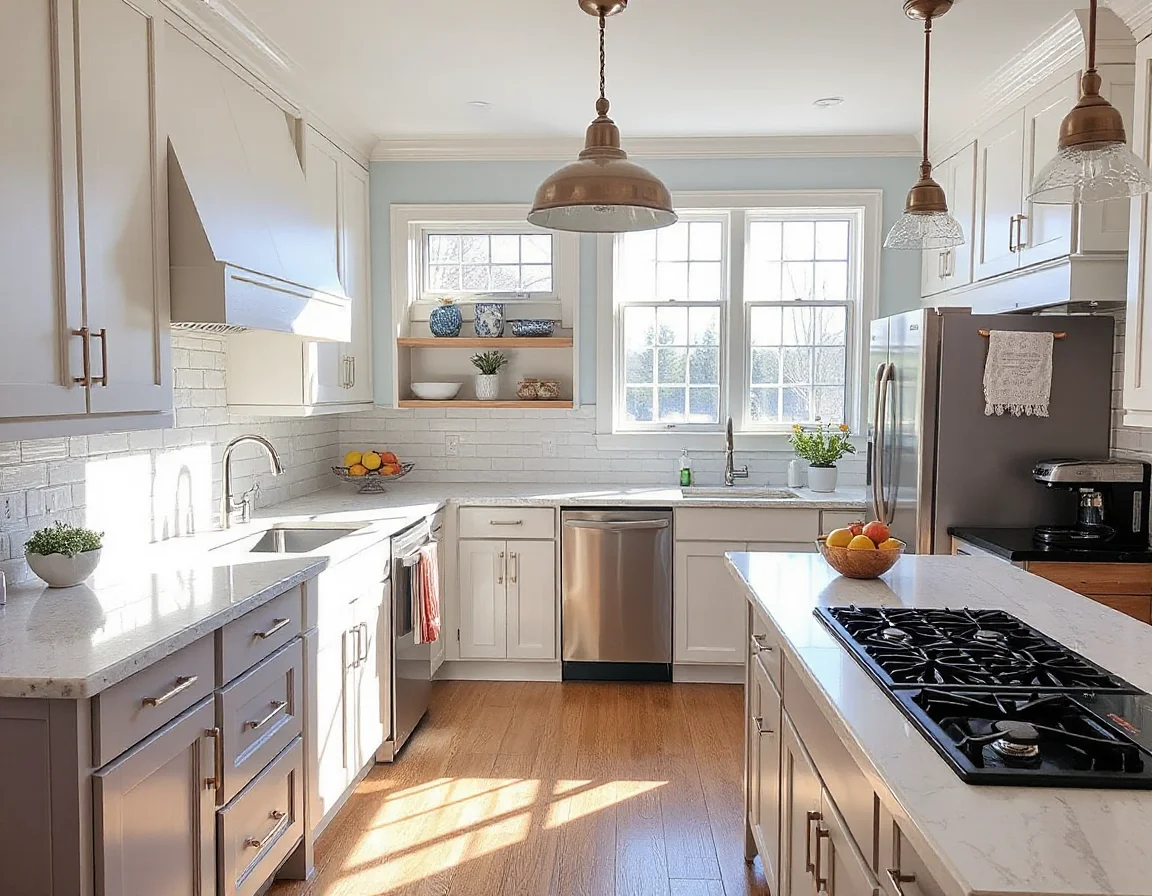
For homes near Rehoboth Beach, Lewes, Dewey Beach, Bethany Beach, Fenwick Island, or other coastal destinations, the comparison process may include factors beyond the interior. Flood-zone information, HOA or condominium fees, rental rules, parking, storage, community amenities, and seasonal access patterns can all affect a buyer’s perception of value. For inland Sussex County properties, lot configuration, workshop space, nearby roads, septic or well details, and the age of the home may carry more weight.
It is also worth separating emotional value from market value. The work you put into a home, the memories made there, and the upgrades you chose with care are meaningful. A buyer, however, usually evaluates the property against their other options and the likely cost of future improvements. A pricing strategy can honor the home’s strengths without asking the market to pay for features that competing sales do not support.
Preparation and pricing work together: when condition, photography, and list price tell the same value story, buyers have fewer reasons to hesitate.
Use Price Bands Strategically
Search behavior matters. Many buyers set maximum price filters, so a list price just above a common threshold can reduce visibility. For example, a property listed at $505,000 may be missed by someone searching up to $500,000, even when the difference is modest. The right price band should be based on comparable properties and local search patterns—not an arbitrary rounded number or a number selected solely to “leave room” for negotiation.
Overpricing can create a difficult cycle. Fewer initial showings may lead to fewer offers, and a later price reduction can cause buyers to wonder what changed. That does not mean every home must be priced below the market. It means the list price should be defensible, easy to explain, and supported by the home’s condition, location, and competition.
A pricing plan should also include a review schedule. Before going live, decide what signals will be monitored: online saves, showing requests, feedback, comparable listings that enter or leave the market, and any changes in mortgage-rate conditions. If activity is lower than expected after meaningful exposure, it is better to evaluate the data promptly than to rely on hope alone.
Account for Seasonality Without Waiting for a “Perfect” Moment
Sussex County has a distinct rhythm. Coastal activity can increase during warmer months, while fall and winter may bring buyers who are focused, flexible, and ready to act. Market conditions also vary by property type: a beach condominium, a year-round residence, an investment property, and a rural acreage can each follow a different pattern. The most productive listing date is often the one that pairs a prepared home with a well-researched price.
Mortgage rates, available inventory, and consumer confidence can shift quickly, so an effective strategy should be current rather than formulaic. Your agent can update comparable sales immediately before launch, assess properties that went under contract while preparation was underway, and make sure the price is based on the market buyers are entering today.
Presentation is especially important when the home will be viewed online before anyone walks through the door. Clear photography, accurate room measurements, a detailed feature list, and disclosures that are ready for review make it easier for interested buyers to understand what is being offered. Pricing earns the click; preparation helps earn the showing and the offer.
Make the List Price a Confident First Step
The goal is not simply to get listed—it is to position your home so buyers can recognize its value quickly. A careful review of local comparables, honest attention to condition, an informed price band, and a plan for monitoring feedback can create a stronger launch in Sussex County’s changing market. Whether your property is near the coast or farther inland, a disciplined strategy gives you a better foundation for the conversations that follow.
If you are considering a sale, begin with current facts about your specific home rather than broad estimates. The right number should feel intentional: supported by evidence, matched to the property’s presentation, and designed to meet the market with clarity.