
An Ocean City condo can create rental income, personal getaway time, or both—but the purchase price tells only part of the story. A useful investment review compares realistic booking revenue with HOA costs, taxes, insurance, financing, furnishing, and reserves before an offer is written. The goal is not simply to find a popular address; it is to understand the numbers behind the particular unit.
Start With a Property-Specific Income Estimate
Ocean City, Maryland offers a wide range of condominium settings, from oceanfront buildings and bayside communities to units closer to the Boardwalk, golf, marinas, and West Ocean City amenities. That variety is valuable for investors, but it also means rental performance can differ dramatically from one building to the next. A two-bedroom condo with updated finishes, convenient beach access, parking, and strong building management may command a different rate and booking pattern than a similar-sized unit a few blocks away.
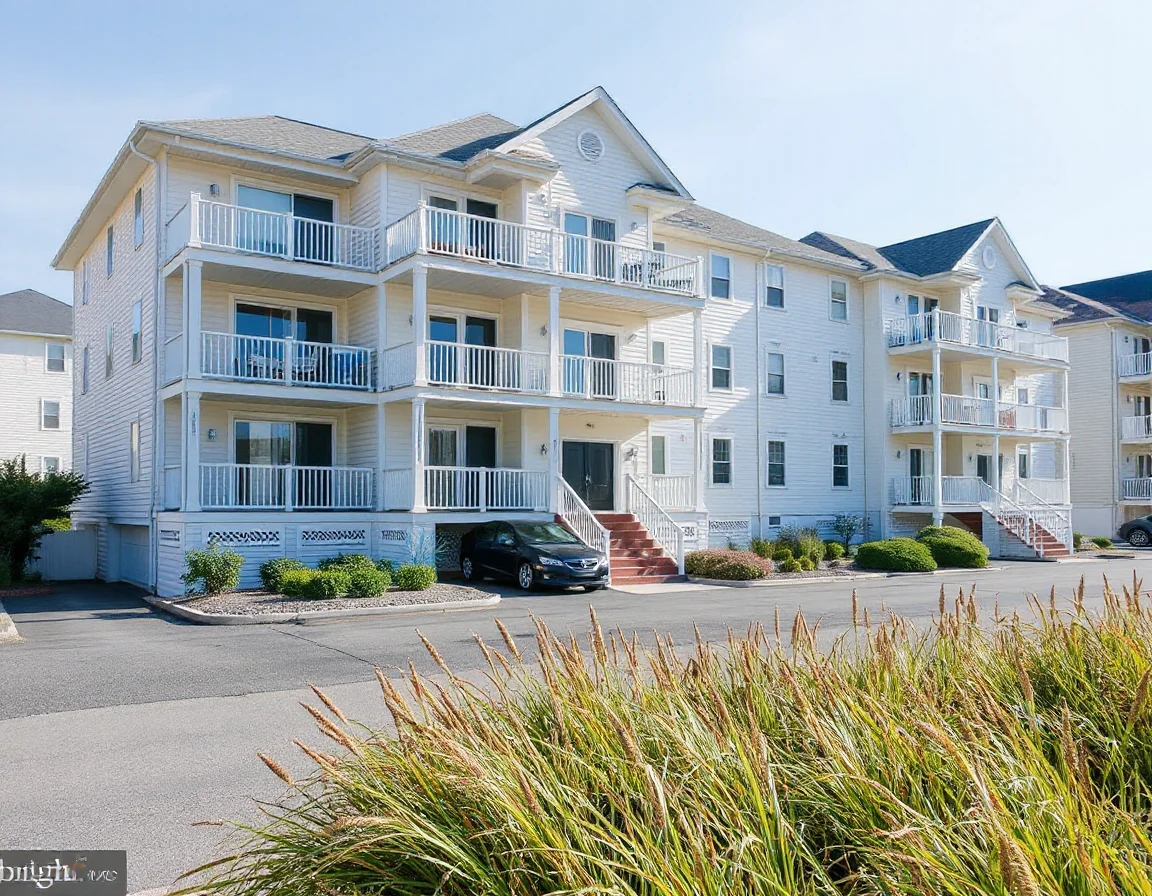
Begin with comparable rental history rather than a single optimistic nightly rate. Ask for recent rental statements when they are available, then compare similar units by bedroom count, location, condition, views, parking, building amenities, and rental rules. A property that performs well during peak summer weeks may have much lower occupancy in spring, fall, and winter. Annual gross income should reflect all seasons, not just a handful of holiday-week projections.
For a clearer estimate, break the calendar into periods: peak season, shoulder season, and off-season. Then apply a conservative occupancy assumption to each period. If a rental manager provides a projection, find out whether it represents gross reservations, owner income after management, or an estimate before cleaning, taxes, and credit-card costs. Each figure can be useful, but they are not interchangeable.
Also account for owner-use dates. Reserving several prime summer weeks for personal use can be an enjoyable part of ownership, yet those dates may carry a meaningful revenue tradeoff. There is no right number of personal days; the important point is to model the plan honestly. A condo that works as a flexible personal retreat may still be a sound purchase, but its financial expectations should match how it will actually be used.
A rental forecast becomes more dependable when it is built from annual income history, seasonal occupancy, and the exact unit’s expenses—not from peak-week rates alone.
Read the HOA Budget as Carefully as the Listing
Condo ownership adds an essential layer to the investment review: the association. Monthly or quarterly fees may cover items such as exterior maintenance, elevators, landscaping, common-area utilities, master insurance, reserves, trash service, pools, security systems, or management. Coverage varies widely, so a lower fee is not automatically a better value. The question is what the fee includes, how the property is maintained, and whether the association is planning responsibly for long-term capital needs.

Request and review the association’s current budget, recent meeting minutes, reserve information, rules and regulations, insurance details, and any notice of pending special assessments. Coastal buildings can face significant upkeep tied to roofs, balconies, masonry, windows, elevators, plumbing systems, and storm exposure. A well-maintained building with a healthy reserve plan may support more predictable ownership costs than one that has deferred major work.
Rental restrictions deserve particular attention. Some associations permit short-term rentals, while others establish minimum stay requirements, registration procedures, occupancy limits, pet policies, rental caps, or designated management rules. Local regulations and building rules can change, so confirm the current requirements directly with the association and appropriate local sources before relying on income assumptions. If rental activity is central to the purchase, this due diligence should happen early in the process.
Insurance is another line item that should be separated into master-policy coverage and the coverage an individual owner needs. A condo owner’s policy may need to address interior finishes, personal property, liability, loss assessments, and rental-related coverage. A qualified insurance professional can explain deductible structures and coastal-policy considerations for the specific building.
Meeting minutes can reveal as much as the fee amount: they may show planned repairs, insurance changes, rule updates, or assessments that affect the condo’s future operating costs.
Calculate Net Operating Income Before Financing
After estimating revenue and annual expenses, calculate the property’s net operating income, often called NOI. This is the income remaining after operating costs but before mortgage principal and interest. Start with projected gross rent, then subtract management fees, association fees, property taxes, insurance, utilities paid by the owner, cleaning or turnover costs, supplies, repairs, internet service, licensing costs where applicable, and a reserve for replacements.
A reserve is especially important in a furnished beach property. Linens, appliances, flooring, furniture, HVAC components, window coverings, and kitchen items experience regular use and eventually need attention. Setting aside a portion of income each year helps prevent an otherwise manageable repair from becoming a surprise expense. It also creates a more realistic picture of return than a spreadsheet that assumes every season will be trouble-free.
Once NOI is established, compare it with the purchase price to consider a capitalization rate, then add the financing scenario. A cash-on-cash return calculation examines the annual pre-tax cash flow relative to the cash invested for down payment, closing costs, initial furnishings, and improvements. Different buyers may prioritize different outcomes: stable income, long-term appreciation potential, owner use, or a balance of all three. The calculation should reflect those priorities without overlooking carrying costs.
It can be helpful to run three versions of the analysis: conservative, expected, and strong. In the conservative version, lower rental income and higher maintenance allowances test whether the purchase remains comfortable during a softer year. A property that only works under the strongest possible assumptions deserves a closer look.
Estimate a monthly mortgage payment
Look Beyond the Spreadsheet During Due Diligence
Numbers matter, but so does the physical condition and usability of the condo. During a showing, assess storage, laundry arrangements, parking assignments, elevator access, balcony condition, HVAC age, window condition, flooring durability, and the layout of bedrooms and living areas. These details influence guest experience, maintenance needs, and the unit’s competitive position among available rentals.
For oceanfront and bayside properties, pay particular attention to building systems and exposure. Ask about flood-related considerations, storm procedures, post-storm inspections, exterior maintenance schedules, and any history of water intrusion or remediation. A licensed home inspector and specialized professionals can provide property-specific guidance that a listing description cannot.
Ocean City’s seasonal rhythm is part of the appeal. Beach access, boating opportunities, fishing, dining, public events, golf, and the Boardwalk bring activity throughout much of the year, while the pace shifts outside peak season. Investors who understand this rhythm can make better decisions about rental calendars, maintenance scheduling, furnishing choices, and pricing strategy.
A well-evaluated Ocean City condo investment is built on verified documents, conservative assumptions, and a clear plan for ownership. Whether the priority is rental revenue, personal use, or a combination of both, reviewing the unit, association, and operating budget together turns a promising coastal listing into a more informed decision.