
A Selbyville investment property can offer access to the South Delaware coastal market while presenting a different cost and rental profile than homes directly along the shore. The most useful analysis starts with realistic income assumptions, a complete expense list, and a plan for vacancies, repairs, and changing demand. This guide outlines the numbers and property details worth reviewing before making an offer.
Start With the Investment Strategy
Before comparing listings, decide what role the property will play in your portfolio. A Selbyville home might be considered for annual leasing, seasonal or short-term stays where permitted, personal use combined with rental time, or long-term appreciation. Each approach changes the income estimate, furnishing needs, management workload, financing terms, and level of risk to build into the budget.
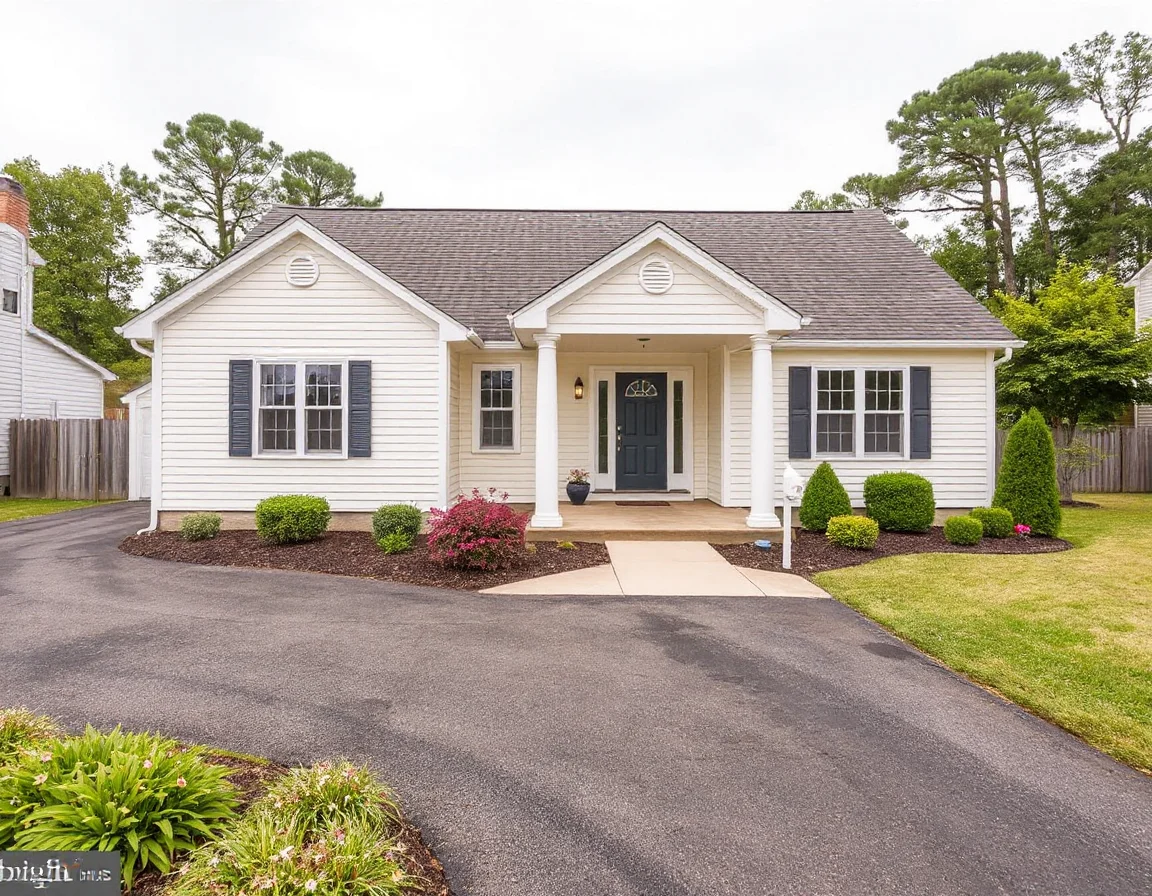
Location is a practical operating detail, not just a line on a listing. Evaluate drive time to beaches, public recreation, major roads, grocery options, medical services, and the places renters may need during a stay. Selbyville offers access to the Delaware and Maryland coastal region, including Fenwick Island, Bethany Beach, Ocean City, and nearby inland communities. Those connections can influence rental appeal, but they should be assessed alongside the home’s condition, layout, parking, and local regulations.
Think carefully about the type of home you are buying. A condo may have a lower-maintenance exterior but association fees and rental policies to review. A townhome can offer efficient square footage and a more predictable footprint. A detached home may provide more flexibility, storage, outdoor space, or parking, while also creating more owner responsibility for roofs, landscaping, exterior systems, and storm preparation.
For any property, request and read the documents that affect use. Review HOA or condominium rules, rental restrictions, pet policies, transfer fees, reserve information, insurance responsibilities, parking assignments, and any local licensing or registration requirements. A projected rental calendar is not meaningful if the governing documents limit lease terms or impose rules that change how the property can be marketed and managed.
The best investment comparison is rarely “purchase price versus expected rent.” It is the property’s usable income after ownership costs, vacancy time, management, and a realistic repair reserve are all included.
Estimate Income Without Overpromising
Rental income should be built from evidence rather than a best-case nightly or monthly rate. For an annual rental, compare similar homes by bedroom count, condition, amenities, location, included utilities, and lease terms. For a vacation-oriented strategy, look at comparable properties across different seasons and separate peak-demand assumptions from shoulder-season and quieter-period expectations.
A useful projection has several layers. Start with gross potential rent: the amount the home could produce if every available night or month were booked at the assumed rate. Then subtract vacancy or unbooked periods, discounts, platform fees where applicable, management fees, turnover cleaning, and supplies. The result is closer to effective rental income—the amount available to cover ownership costs and, eventually, create cash flow.
Seasonality deserves particular attention in the coastal region. Higher demand periods can be important to an annual plan, but they do not eliminate gaps, weather disruptions, guest cancellations, or changing travel patterns. A conservative estimate can make it easier to handle a slower period without having to use high-interest debt or delay necessary maintenance.
Also identify what is included in the rent. Furnishings, internet, utilities, pool or recreation access, linens, landscaping, trash service, and cleaning can affect both marketability and operating expense. Annual renters may expect a different package than short-term guests, and an owner should not use the same expense assumptions for both strategies.
Build a Full Cost Worksheet
A property’s purchase price is only the first line item. Your worksheet should include the loan payment, down payment, closing costs, property taxes, homeowner insurance, flood insurance when applicable, HOA or condominium fees, utilities, maintenance, capital repairs, and property management. If the home will be furnished, include the initial setup cost and an ongoing replacement allowance for furniture, appliances, kitchen items, and décor.

Separate routine maintenance from capital expenditures. Routine costs may include HVAC service, minor plumbing repairs, touch-up paint, landscaping, pest service, and cleaning. Capital expenses are larger, less frequent items such as a roof, HVAC replacement, water heater, flooring, windows, appliances, siding, or deck work. A home can show a positive monthly cash flow on paper while still needing substantial funds set aside for these long-term obligations.
Insurance requires close review in coastal and near-coastal markets. Ask an insurance professional to quote the actual property rather than relying on a broad estimate, and understand deductibles, wind coverage, exclusions, and flood-related requirements. Flood-zone information, elevation details, prior claims, and the property’s construction can all affect the final cost. It is wise to make insurance due diligence part of the offer and inspection timeline.
Financing can change the return just as much as rent. Lenders may have different down-payment, reserve, debt-to-income, rate, and appraisal requirements for an investment property than for a primary residence. Compare several loan scenarios and calculate the monthly payment using the full expected housing expense rather than principal and interest alone.
Set aside a reserve before closing, not after the first repair. A dedicated fund for vacancy, urgent maintenance, and seasonal carrying costs can protect the property’s operating plan when income arrives unevenly.
Estimate a monthly mortgage payment
Use ROI Measures That Match Your Goals
There is no single number that tells the whole story. Cap rate compares net operating income to purchase price, typically before debt service. It can help compare properties with different financing arrangements. Net operating income is generally calculated by taking effective rental income and subtracting operating expenses, but not mortgage principal and interest.
Cash-on-cash return focuses on the cash invested: down payment, closing costs, renovation work, furnishing, and initial reserves. It compares annual pre-tax cash flow after debt service with that total cash investment. This measure can be especially useful when choosing between a lower-priced property needing updates and a more turnkey property with a different financing profile.
Some investors also consider appreciation potential, tax treatment, principal reduction, and personal-use flexibility. Those factors can matter, but they should not replace a durable operating plan. Appreciation is never guaranteed, and tax consequences depend on individual circumstances. A tax professional and financial adviser can help evaluate how a potential purchase fits your broader objectives.
Inspect for Coastal-Market Durability
During showings and inspections, look beyond surface finishes. Pay attention to roof age, siding condition, drainage, crawl space or foundation conditions, HVAC age and service history, windows and doors, deck structure, exterior fasteners, and signs of moisture. In the South Delaware beach region, salt air, humidity, storms, and seasonal use can accelerate wear on certain materials and systems.
Ask for utility history when available, permits for completed work, receipts for major improvements, appliance ages, and records of prior repairs. If the home has a pool, dock access, irrigation, septic system, well, fireplace, elevator, or other specialized feature, account for the inspection and maintenance requirements before you finalize numbers.
Good staging and updated finishes can help a property show well, but investment value is supported by dependable systems, a functional layout, and an ownership plan that anticipates upkeep. A careful inspection period is the time to identify negotiation points, revise the reserve budget, or decide that a property does not meet your return threshold.
Make the Offer With a Clear Plan
A disciplined Selbyville investment purchase begins with a defined rental strategy, supportable income estimates, and complete cost assumptions. Compare several properties using the same worksheet so that one attractive feature does not overshadow a higher fee, a restrictive rental policy, or a significant near-term repair need. The goal is not to find a property that looks perfect on a listing site; it is to find one whose numbers and condition make sense for your plans.
Local insight can be particularly valuable when reviewing comparable properties, seasonal patterns, association documents, inspection findings, and the distinct characteristics of Selbyville and the surrounding Delaware and Maryland beach communities. With solid due diligence and a conservative budget, buyers can evaluate opportunities with more confidence and a clearer view of what ownership may require.