
An Ocean City condominium can combine coastal ownership with rental-income potential, but the best investment decision begins with the expenses—not the ocean view. HOA dues, rental rules, insurance, financing, and realistic occupancy assumptions all shape the return. A careful review before making an offer can help turn a promising beach property into a well-planned investment.
Start With the Full Cost of Ownership
Ocean City, Maryland, offers a broad mix of condominium options, from oceanfront buildings and bayfront communities to residences near recreation, dining, and public beach access. That variety creates opportunity, but it also means that two condos with similar asking prices can produce very different monthly carrying costs. For an investment purchase, the listing price is only one line in a much larger equation.
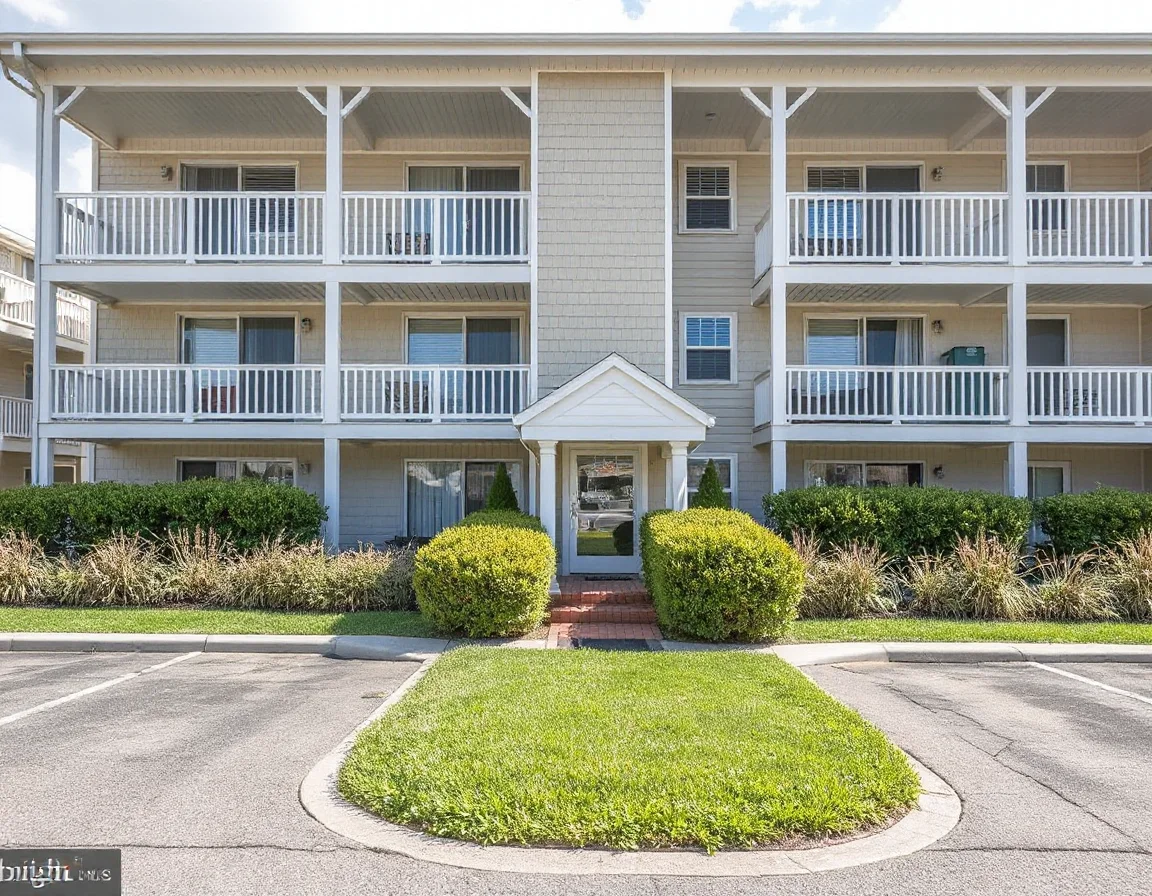
Begin by estimating the complete monthly ownership cost: principal and interest, property taxes, condominium or HOA fees, insurance, utilities that remain in the owner’s name, and an ongoing maintenance reserve. In a coastal setting, buyers should also account for wind, flood, and master-policy insurance questions. Coverage arrangements vary by building, so it is important to understand what is included in the association’s policy and what must be insured separately inside the unit.
HOA fees can feel substantial at first glance, particularly in amenity-rich or oceanfront buildings. Yet the number alone does not tell the whole story. Dues may support elevator service, exterior maintenance, landscaping, building insurance, trash removal, water, reserve contributions, common-area utilities, security features, or facility upkeep. A lower monthly fee is not automatically a better value if the building has limited reserves or major work approaching.
A condo’s monthly HOA fee should be reviewed beside its reserve balance, insurance coverage, pending projects, and rental policy—not as a stand-alone number.
Ask for the resale package, budget, recent meeting minutes, reserve information, governing documents, and any notices regarding assessments or planned repairs. These records can show whether owners are preparing for projects such as roof work, concrete restoration, balcony repairs, elevator updates, siding, windows, or mechanical improvements. A special assessment can materially change an investment’s first-year cash flow, while a well-funded reserve may reduce uncertainty over time.
Understand the Rental Rules Before You Underwrite Revenue
Short-term rental potential is a major reason many buyers explore Ocean City condos, but every building operates differently. Some associations allow weekly rentals, some require minimum lease terms, and others limit the number of rentals, require registration, or have rules governing guest parking, amenity access, pets, occupancy, and check-in procedures. Local regulations and licensing requirements may also apply, so investors should verify current requirements with the appropriate authorities and professionals.
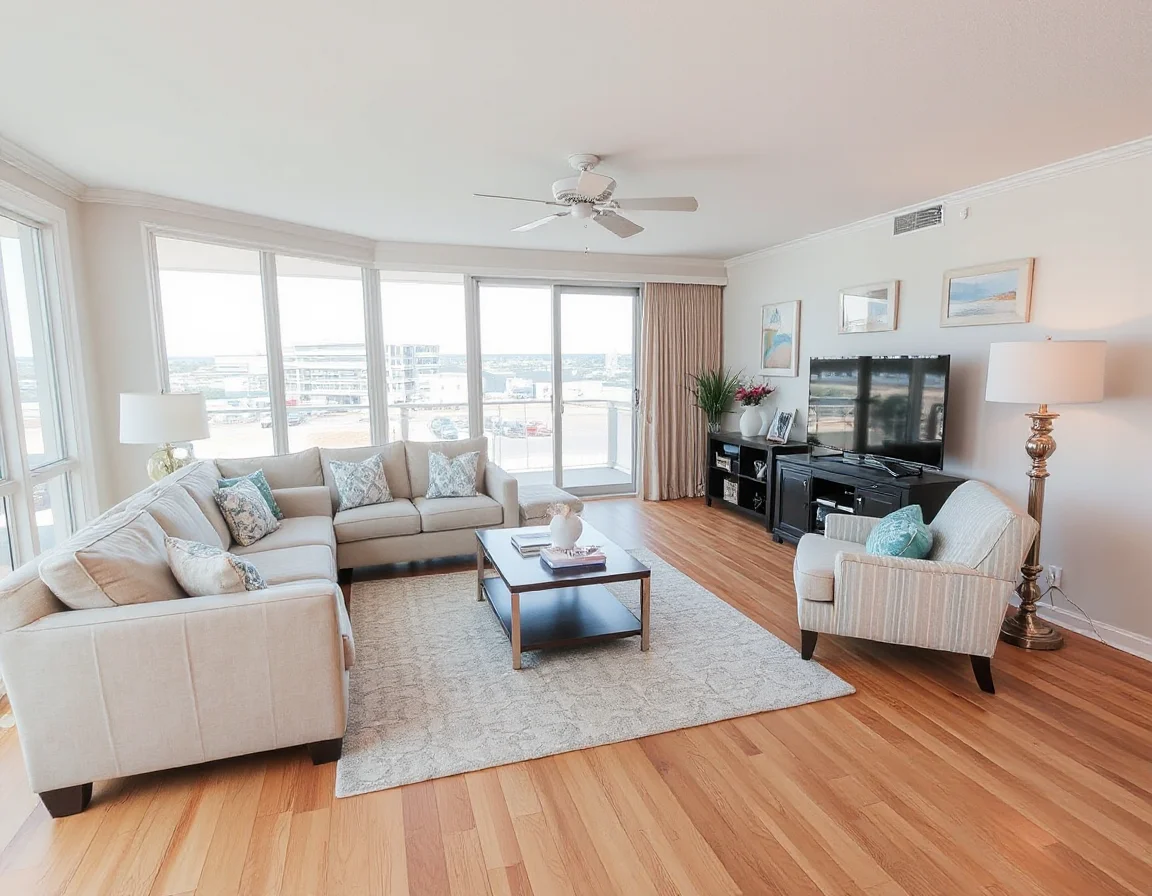
Do not rely solely on a general statement that a building is “rental friendly.” Read the association documents and confirm the details in writing during due diligence. A rule requiring seven-night reservations, for example, can create a different booking pattern than a building allowing shorter stays. Likewise, a building that restricts certain amenities to owners may affect how a rental is marketed and priced.
Property management is another key decision. Some owners manage reservations, cleaning schedules, maintenance calls, linens, and guest communication themselves. Others engage a local rental manager in exchange for a percentage of booking revenue or a fee structure. Professional management can reduce day-to-day workload, but management fees, cleaning costs, credit-card fees, platform fees, supplies, repairs, and seasonal setup should all be included in a conservative pro forma.
Rental income is often seasonal, and the strongest booking periods do not represent every week of the year. Build a forecast using several scenarios rather than one optimistic number. Consider a high-season estimate, a shoulder-season estimate, and a slower-period estimate. Then subtract vacancy, management, repairs, furnishing replacement, HOA dues, taxes, insurance, and utilities. This approach helps reveal whether the property still supports your goals when bookings are lighter or expenses rise.
A useful projection separates gross booking revenue from net operating income. The difference is where HOA dues, management costs, cleaning, utilities, and maintenance become real investment decisions.
Furnishings deserve their own line item. A rental condo needs durable seating, sleeping arrangements that match the approved layout, kitchen essentials, window coverings, lighting, technology, linens, and regular replacement of high-use items. Thoughtful staging can help listing photos communicate the space clearly, but it should never overpromise capacity or features the unit does not actually provide.
Measure Returns With More Than One Number
Investors often ask for a cap rate, cash-on-cash return, or projected annual income. Each measurement can be useful, but none should stand alone. A cap rate looks at net operating income relative to purchase price before financing. Cash-on-cash return focuses on the annual cash flow compared with the actual cash invested. Appreciation, principal reduction, tax considerations, and personal use can also affect the broader ownership picture, though they should not replace a clear operating forecast.
For a straightforward starting point, calculate expected annual rental revenue, then subtract recurring operating expenses to estimate net operating income. If financing is involved, subtract annual debt service to estimate projected cash flow. Be sure to leave room for repairs and capital items. Coastal weather, salt air, shared building systems, and turnover between guests can make deferred maintenance especially expensive.
- Acquisition costs: purchase price, closing costs, inspections, lender fees, and initial furnishing or refresh expenses.
- Recurring costs: mortgage payment, HOA dues, taxes, insurance, utilities, internet, management, licensing, and supplies.
- Variable costs: cleaning, repairs, platform fees, linen service, seasonal maintenance, and replacement furnishings.
- Risk reserves: vacancy, storm-related interruptions, rate changes, assessment risk, and unexpected building repairs.
A lender can help clarify how a second-home or investment-property loan may differ from financing for a primary residence. Down payment expectations, reserve requirements, interest rates, and underwriting standards may vary. It is wise to compare the payment under more than one interest-rate scenario and to verify whether projected rental income can be considered in qualification.
Estimate your monthly ownership costs
Choose the Condo That Fits Your Operating Plan
There is no single “best” Ocean City investment condo. The right fit depends on your intended rental model, budget, preferred involvement level, holding period, and tolerance for maintenance and seasonal variability. An oceanfront unit may command attention because of its setting, while a bayfront or inland location may offer a different price point, parking arrangement, amenity package, or ownership cost. The practical details matter as much as the view.

During showings, look beyond the unit’s interior finishes. Confirm parking allocation, storage, elevator access, building entry, balcony condition, views that may be affected by nearby development, laundry arrangements, utility metering, and the location of mechanical systems. Ask how maintenance requests are handled and whether there are restrictions on exterior improvements, door locks, signage, or rental-management access.
It is also helpful to compare comparable rentals and comparable sales, while recognizing that past performance does not guarantee future bookings or future value. A realistic analysis uses current information, documented expenses, and conservative assumptions. The goal is not to find the most exciting projection; it is to understand whether the property can remain workable across a range of outcomes.
With solid due diligence, an Ocean City condo can be more than a place near the water—it can be a carefully managed real estate asset with a clear plan for ownership, rentals, and long-term upkeep. Review the documents, run the numbers, and give yourself enough time in the contract period to investigate the building as thoroughly as the individual unit.