
Buying near Bethany Beach means looking beyond the view, layout, and list price. Flood-zone research, insurance quotes, and a coastal-minded inspection can help you understand the property’s ongoing costs and maintenance needs before you remove contingencies. A careful review turns unfamiliar paperwork into practical questions for your lender, insurer, inspector, and real estate professional.
Start with the Flood Map, Then Look Closer
In a coastal market, flood information is part of the buying conversation—not a reason to make assumptions about any one property. Bethany Beach homes may be affected by coastal conditions, drainage patterns, elevation, and changing map designations. The first step is to identify the property’s current flood-zone designation using the Federal Emergency Management Agency’s Flood Map Service Center, then compare that information with the seller disclosures, survey, and insurance history when available.
A map zone is an important data point, but it is not a complete property diagnosis. For example, a home outside a federally designated high-risk area can still experience water intrusion from heavy rain, tidal conditions, drainage issues, or a plumbing failure. Conversely, a home in a higher-risk zone may have mitigation features such as elevated living space, flood openings, compliant utilities, or a documented elevation certificate that affect risk and insurance pricing.
Ask for the exact property address to be checked rather than relying on a broad neighborhood description. Lot-by-lot conditions can differ, particularly near canals, marshes, bays, and low-lying streets. If the home has an elevation certificate, review the date, the measurements, and whether alterations since the certificate was issued could matter. Your insurance professional can explain how those details may be used in a quote.
A flood map helps identify lending requirements, but an elevation certificate and property-specific insurance quote often provide a more useful picture of potential ownership costs.
It is also worth confirming how the home is financed. If a lender determines that a property is in a Special Flood Hazard Area and the loan is federally regulated or federally backed, flood insurance may be required. Requirements can change with the loan structure, so make the lender part of the conversation early. A quick answer from a listing conversation is not a substitute for the lender’s formal determination.
Build Insurance Into Your Offer Strategy
Flood insurance should be researched well before the final walkthrough. Buyers often focus on the annual premium, but the coverage structure deserves equal attention: building coverage, contents coverage, deductibles, exclusions, coverage limits, and any waiting period that may apply. Depending on the property and lender, you may compare an NFIP policy with private-market options. An experienced insurance agent can help you evaluate the terms rather than comparing only the headline number.
Request quotes as soon as you have a serious interest in a home. Give the insurer the year built, square footage, foundation type, elevation information, prior-loss information if available, and any details about enclosure areas below an elevated home. Accuracy matters. A quote based on incomplete information may change later, and the final cost belongs in your overall monthly and annual budget alongside principal, interest, taxes, HOA or condominium fees, and routine maintenance.
Look beyond flood coverage as well. Coastal ownership may call for careful review of wind, homeowners, water backup, and liability provisions. Some policies have separate wind or hurricane deductibles, and policy language varies. If a property has a pool, pier, outbuilding, enclosed lower level, or rental use, ask direct questions about how those features are treated. Written confirmation is more useful than relying on general recollection during a fast-moving transaction.
For investment property buyers, insurance review is especially valuable because coverage requirements, occupancy assumptions, and loss-of-income considerations may differ from a primary residence policy. Discuss the intended use accurately with both the insurer and lender. The goal is not to predict every event; it is to understand the protections, gaps, and expenses associated with the specific home.
Estimate your monthly homeownership costs
Choose Inspections That Respect Coastal Conditions
A standard home inspection is a smart foundation, but coastal properties often benefit from additional targeted evaluations. Your inspector should examine visible signs of moisture intrusion, exterior cladding, roofing, flashing, decks, railings, windows, doors, ventilation, and the condition of accessible mechanical systems. Salt air, wind-driven rain, humidity, and seasonal weather can place different demands on materials than they would farther inland.
During the inspection period, ask practical questions about what is visible and what needs a specialist. A general inspector may recommend further review by a roofing contractor, structural professional, electrician, HVAC technician, plumber, chimney professional, pest inspector, or drainage specialist. This does not automatically mean that a deal is in trouble. It means you have an opportunity to gather property-specific information before moving ahead.
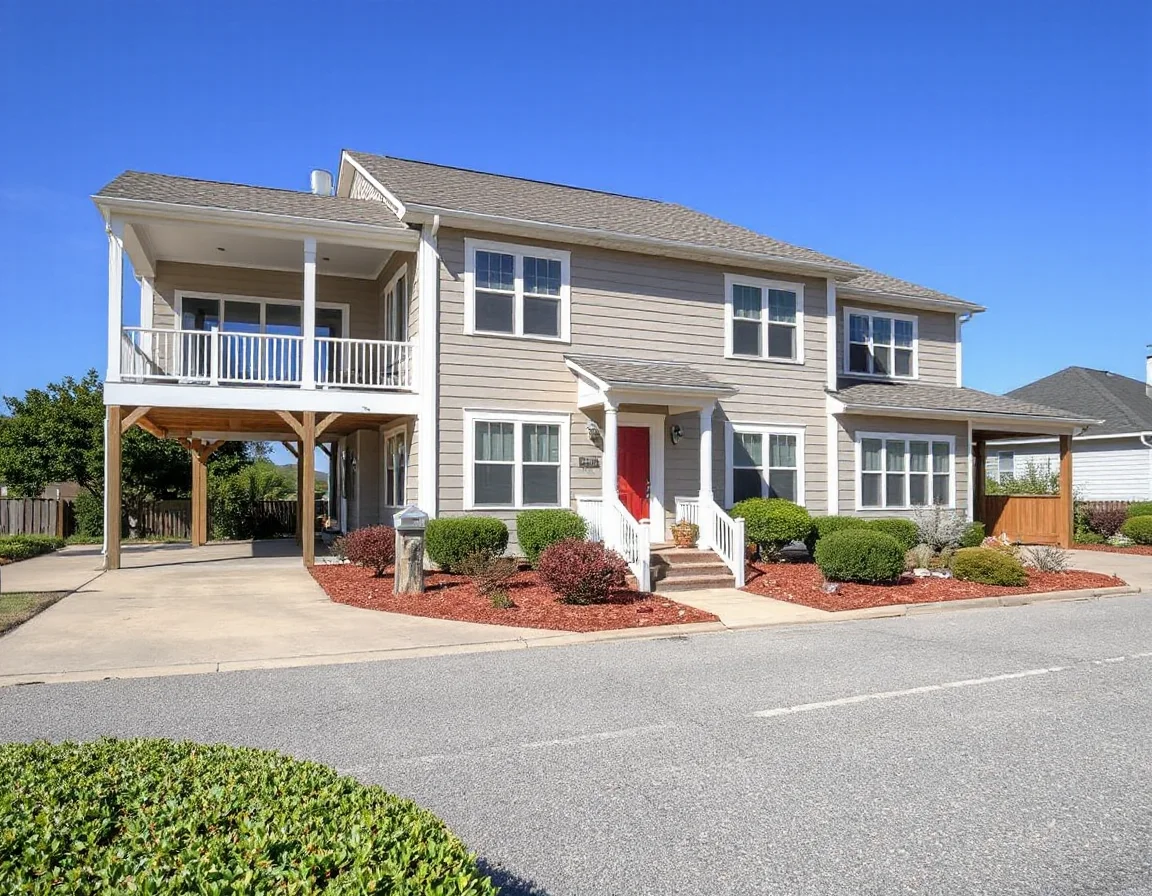
Pay close attention to the lower portions of elevated homes. Enclosures, vents, storage areas, utility placement, and foundation components can have implications for maintenance, code compliance, and flood insurance. If there is a crawlspace, request an assessment of moisture conditions, insulation, vapor barriers, framing, and accessible plumbing. If a home uses public water and sewer, confirm the available records and ask about any recent repairs; if it has private systems, arrange the appropriate inspections.
Water management deserves its own review. Observe grading, downspouts, gutters, exterior drains, paved surfaces, and low points around the property. Ask the seller about prior water entry, remediation, sump pumps, drainage work, and insurance claims, while recognizing that disclosures are only one source of information. Your own inspection findings, municipal records where available, and insurance research can help create a fuller picture.
Use the Contingency Period to Organize Decisions
The strongest due diligence process is organized rather than rushed. Keep a simple list of documents and questions: flood-zone lookup, lender flood determination, insurance quotes, elevation certificate, seller disclosures, inspection reports, contractor recommendations, and any applicable HOA or condominium documents. Compare the findings with your planned use of the property and your comfort level with near-term improvements.
Consider the age and condition of major systems, too. Roof replacement timing, HVAC service history, exterior paint or siding maintenance, deck repairs, and window performance can influence the first few years of ownership. In a beach market, a property that has been carefully maintained may still need routine attention sooner than an inland home because the environment is demanding. Budgeting for maintenance is a practical part of buying, not a negative reflection on the property.
The best time to ask for records, quotes, and specialist opinions is during the contingency period—when information can still guide negotiations, repair requests, or your final decision.
Finally, remember that there is no universal “right” flood zone, policy, or inspection checklist for every buyer. The useful question is whether you understand this property’s documented conditions, likely costs, and available options. With clear information in hand, you can evaluate a Bethany Beach home with confidence and keep the coastal lifestyle details in perspective.