
Buying a first home in Lewes does not have to feel like decoding a new language. A clear preapproval, a thoughtful inspection strategy, and a closing plan can turn a complex purchase into a sequence of manageable decisions. This guide explains what to prepare, what to ask, and where to slow down before signing.
Start With a Real Preapproval, Not Just a Payment Estimate
Before touring homes, give yourself a useful financial baseline. A mortgage preapproval is a lender’s review of your income, assets, debts, credit profile, and proposed loan type. It is more detailed than a quick online estimate or a prequalification, and it helps you understand a realistic purchase range, likely monthly payment, and cash needed for a down payment and closing costs.

Gather recent pay stubs, W-2s or tax returns, bank and investment statements, identification, and documentation for any recurring debts. If funds for your purchase are coming from a gift, a recent transfer, or the sale of another asset, tell the lender early. Mortgage underwriting is document-driven, and a clear paper trail can prevent last-minute questions.
In Lewes, buyers may compare a range of property styles: historic in-town homes, newer construction, condominiums, townhomes, and coastal-area residences. Each can carry different ownership costs. Ask your lender to estimate principal and interest, property taxes, homeowners insurance, mortgage insurance when applicable, and association dues if the home is part of a condominium or homeowners association. The number that matters is not only the loan amount; it is the monthly cost you can comfortably maintain.
A preapproval letter is strongest when it matches the offer you plan to make and is supported by current documentation. Avoid opening new credit accounts, financing large purchases, or moving substantial funds without first checking with your lender.
It is also wise to discuss loan options rather than focusing only on one rate quote. Conventional, FHA, VA, USDA, and portfolio loan programs can have different eligibility rules, down-payment requirements, insurance costs, and property standards. A lender can explain the current options available for your circumstances, while your real estate professional can help you connect the approval terms to the homes you are considering.
Estimate a monthly mortgage payment
Build an Offer Around the Home, the Terms, and the Timeline
Once preapproved, the search becomes more focused. In a market with limited inventory, it can be tempting to react quickly, but a strong offer is more than the highest price. The financing type, earnest-money deposit, requested settlement date, inspection provisions, appraisal terms, and seller preferences can all affect how an offer is received.
Ask for the available property disclosures, association documents, and any known repair records as early as possible. For a home near the coast, practical due diligence may include reviewing flood-zone information, insurance availability, drainage, exterior maintenance, and the condition of systems exposed to salt air or seasonal weather. These are not automatic deal-breakers; they are details that help you budget and prioritize.
Consider your own timeline before writing an offer. If you need to coordinate a lease end, a work move, or funds from another sale, bring those details into the conversation early. A closing date that works for all parties can be as meaningful as a small change in price. Keeping communication organized also helps your lender, attorney or settlement company, inspector, and insurance provider stay aligned.
Use the Inspection Period to Learn, Not Panic
A home inspection is one of the most valuable educational steps in the purchase process. An inspector typically reviews visible and accessible components such as the roof, foundation, heating and cooling systems, plumbing, electrical panels, appliances, attic spaces, and exterior features. The inspection is not a warranty or a prediction that nothing will ever need maintenance. It is a snapshot of the home’s observable condition on the inspection date.
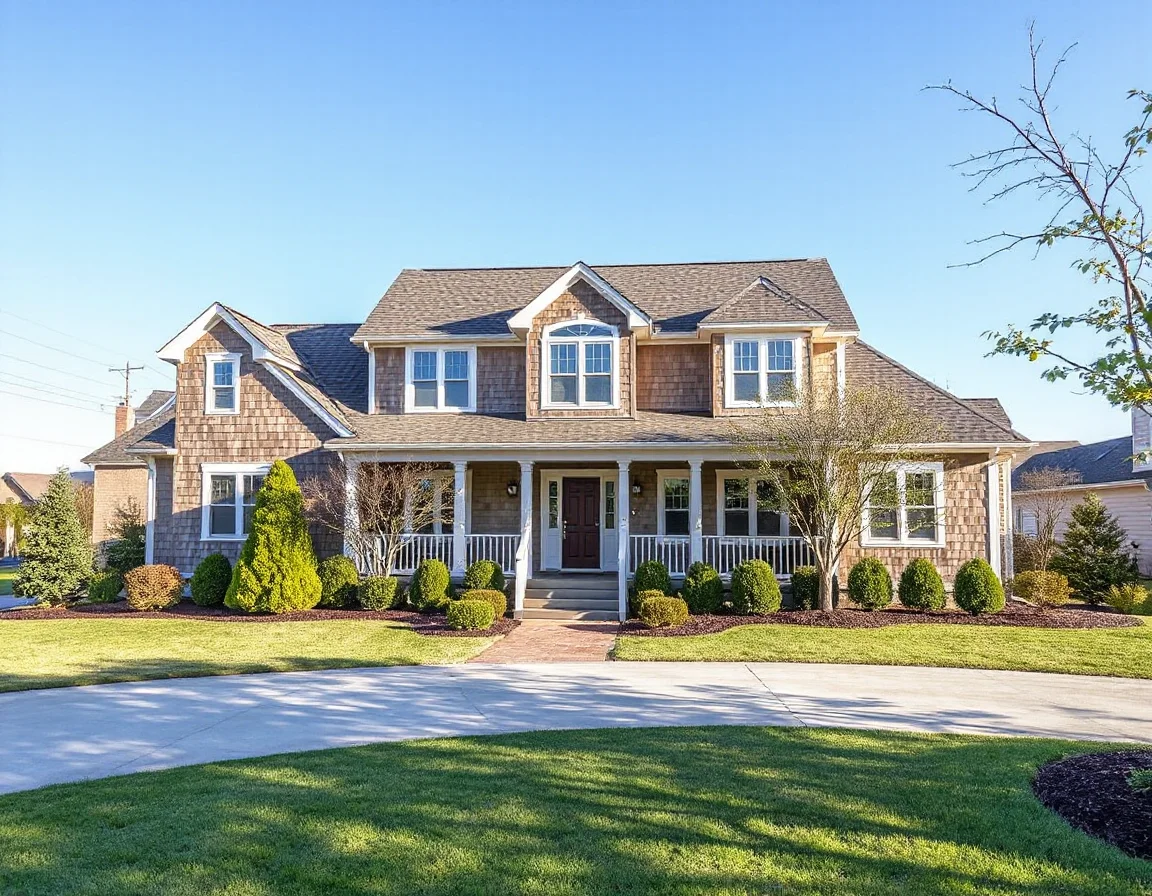
Attend the inspection if you can. Walking through the home with the inspector gives you a chance to see where shutoff valves, electrical panels, filters, and major equipment are located. It also makes the written report easier to interpret later. Bring a notebook, take pictures for your own records, and ask which items should be addressed immediately, which deserve a specialist’s opinion, and which belong on a future maintenance list.
Many inspection reports are lengthy because they document even minor observations. Focus first on health and safety concerns, structural issues, active water intrusion, major system failures, and repairs that may affect financing or insurance. Cosmetic items, deferred maintenance, and normal wear may still matter to you, but they are often better handled with a realistic post-closing budget than with an oversized repair request.
The inspection contingency has a deadline. Schedule inspections promptly after ratification so there is time to review findings, consult specialists when needed, and make decisions without rushing the final day of the contingency period.
Depending on the property and loan program, you may also consider specialized evaluations. A wood-destroying insect inspection, radon test, sewer scope, mold assessment, chimney review, roof evaluation, or HVAC service record review can provide more targeted information. Your inspector and real estate professional can help identify reasonable next steps based on the home’s age, materials, systems, and visible conditions.
Keep Closing Week Calm and Documented
After inspections are resolved, the focus shifts to appraisal, underwriting, insurance, and settlement preparation. The appraisal is ordered by the lender to support the loan decision; it is not the same as a home inspection. If the appraised value, loan conditions, or requested documents create questions, respond quickly and keep copies of everything you send.
Before closing, review the Closing Disclosure carefully. This document outlines your final loan terms, projected payment, cash to close, and itemized costs. Compare it with your earlier loan estimate and ask about any change you do not understand. Confirm the acceptable method for sending funds directly with the settlement company using trusted contact information. Wire fraud is a real risk, so never rely solely on an emailed change to wiring instructions.
Plan a final walkthrough shortly before settlement. This is the time to confirm that agreed-upon repairs are complete, included fixtures remain in place, and the property is in the expected condition. Bring your contract, repair agreements, and inspection notes. If something needs clarification, raise it before closing rather than assuming it will be resolved afterward.
First-time buyers in Lewes benefit from a process that is deliberate rather than hurried: know your numbers, inspect with purpose, and review every document before committing. The goal is not to find a flawless home—every property requires care over time—but to make an informed purchase with a clear view of its costs, condition, and next steps.