
A Worcester County vacation home can create value through personal use, rental income, and eventual resale—but the strongest results begin with a realistic expense plan. Before focusing on nightly rates, evaluate the property’s location, rental rules, carrying costs, and condition so the numbers reflect the full ownership picture.
Start With the Complete Cost of Ownership
Beach-area real estate in Worcester County, Maryland, can be compelling because owners have several ways to benefit from a well-chosen property: time at the coast, potential short-term rental income, and long-term equity. Yet a vacation-home purchase should be evaluated as more than a listing price and a projected summer calendar. The most useful ROI calculation starts with the annual cost of keeping the home available, comfortable, insured, and marketable.
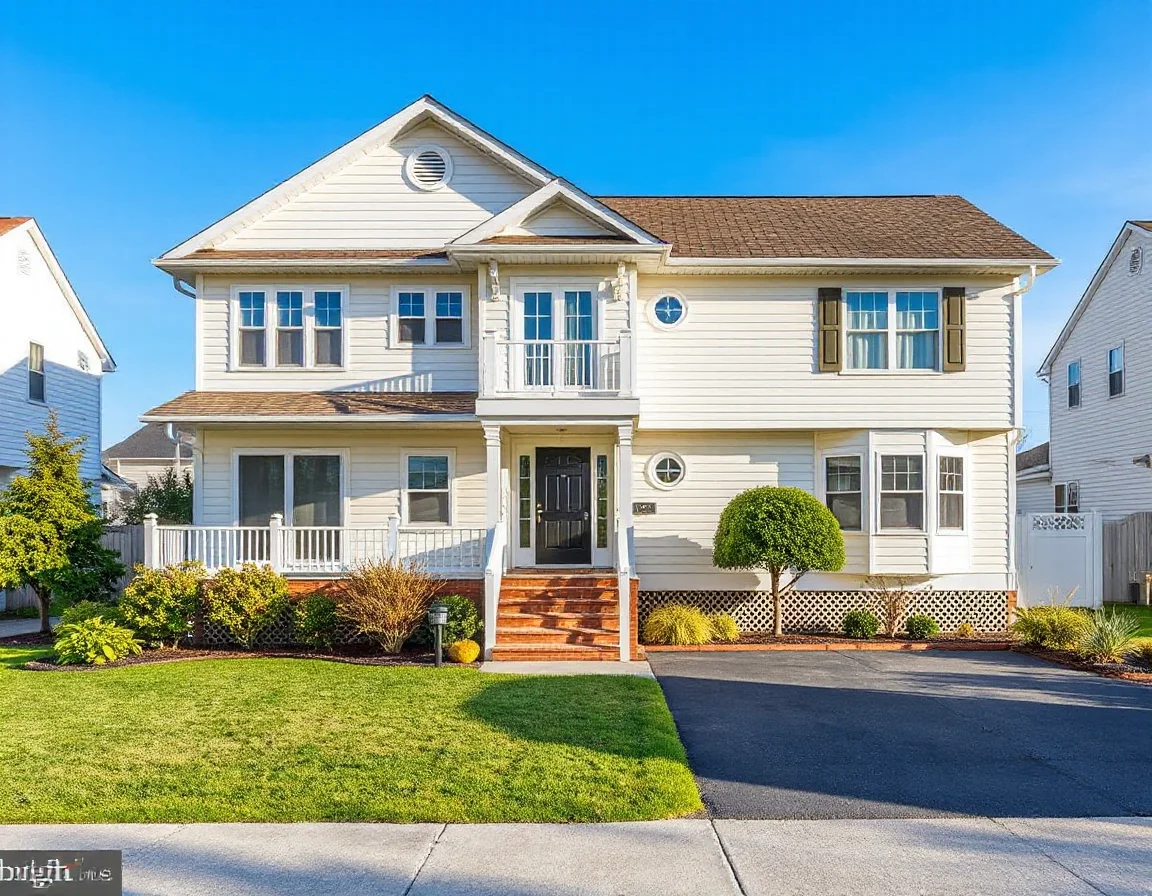
Build a budget that includes principal and interest if financed, property taxes, homeowners association or condominium fees, insurance, utilities, internet, maintenance, furnishings, cleaning, landscaping where applicable, and reserves for repairs. Coastal ownership may also require close attention to wind, flood, and hazard insurance options. Coverage, deductibles, and lender requirements can differ substantially by location, elevation, building type, and policy terms, so it is wise to request insurance estimates early in the search.
For condominiums and townhomes, review the association documents with the same care used for a home inspection. Monthly dues can cover valuable services such as exterior maintenance, master insurance, amenities, trash collection, or reserve funding. They can also change over time. Ask about current fees, pending special assessments, rental policies, minimum lease periods, parking allocations, pet rules, and the association’s financial reserves before treating any projected return as final.
A conservative worksheet sets aside money every month for repairs and slower booking periods, rather than assuming every available night will be rented at peak-season pricing.
Furnishing is another line item that is easy to underestimate. A property intended for guest stays may need durable seating, coordinated bedrooms, kitchen equipment, window coverings, smart locks, smoke and carbon monoxide detectors, outdoor furniture, and replacement linens. Thoughtful staging can improve listing photos and guest experience, but it should be planned as part of the acquisition budget instead of added after closing without a spending limit.
How Rental Income Really Works
Rental performance in Ocean City, West Ocean City, Berlin, Ocean Pines, and other Worcester County locations depends on more than proximity to the water. Property type, bedroom count, parking, outdoor space, building amenities, pet policy, accessibility features, seasonality, and booking restrictions all influence demand. A home that fits an owner’s personal preferences may still need a distinct operational plan to compete effectively in the rental market.
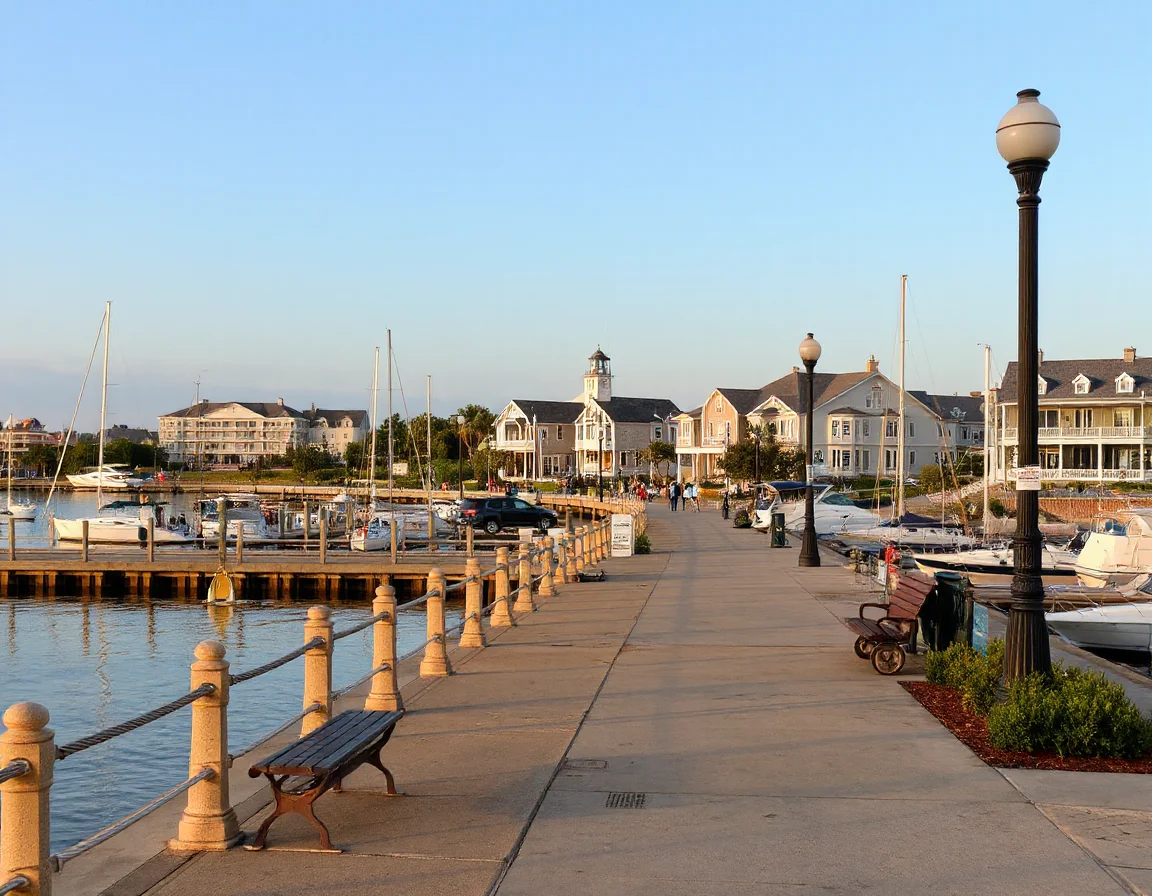
Rather than relying on a single advertised nightly rate, estimate income by season. Start with comparable properties that match the home’s size, condition, location, and permitted use. Then create separate assumptions for high-demand dates, shoulder seasons, and quieter months. Deduct vacancies, platform fees, local taxes, payment processing, professional management fees if used, cleaning, consumable supplies, linen service, maintenance, and owner stays that remove rentable dates from the calendar.
Local rules matter. Short-term rental licensing, registration, occupancy limits, inspection requirements, taxes, and association regulations may apply depending on the property and municipality. These requirements can change, and a building may impose policies that are more restrictive than local law. Confirm current rules directly with the appropriate government offices, association, management company, and qualified local professionals before making an offer based on rental revenue.
Professional management can reduce the day-to-day workload, but it affects net income. Some owners prefer handling pricing, messages, turnovers, and maintenance coordination themselves; others value a manager’s systems, local vendor relationships, and after-hours response. Neither approach is automatically better. The right choice depends on how often the owner will be nearby, the desired level of involvement, and whether the management cost is justified by time savings or stronger bookings.
The useful number is net operating income after realistic vacancies, fees, maintenance, and reserves—not the highest possible gross rent during a holiday week.
Explore monthly payment scenarios
Look Beyond the Rental Spreadsheet
A vacation home’s return can include financial and practical considerations that do not fit neatly into a monthly income column. Some owners prioritize dependable access to the beach, bay, golf, boating, boardwalk activity, dining, or nearby natural areas. Others value having a familiar place to visit throughout the year. Those benefits are personal, but they should be acknowledged separately from investment projections so the purchase decision stays clear.
Resale potential deserves equal attention. Homes that are easy to understand and maintain often appeal to a wider range of future buyers: well-kept exteriors, functional layouts, practical storage, dependable parking, updated major systems, and documented improvements can all support marketability. For a rental-oriented property, organized financial records, permits where required, service histories, and association information can also make future due diligence smoother.
Location should be assessed at the property level. Review the route to the beach or bay, nearby public access points, traffic patterns, seasonal activity, views, flood-zone information, lot configuration, and nearby development. Visit at more than one time of day if possible. A street that feels different in midwinter than it does during a summer weekend may affect both owner enjoyment and rental operations.
A Practical Purchase Plan for Worcester County
Begin by defining three numbers: the maximum purchase price, the maximum annual carrying cost, and the minimum net income needed for the property to meet your goals. Then compare several property types rather than assuming one format is best. A condominium may offer lower exterior-maintenance responsibility, while a detached home may provide more privacy, outdoor space, and flexibility depending on applicable rules. Each comes with different insurance, upkeep, and association considerations.
During due diligence, request disclosures, association records, rental history when available, utility information, insurance quotes, and estimates for immediate improvements. A thorough inspection is essential, particularly for roofs, decks, railings, windows, HVAC equipment, moisture management, plumbing, and systems exposed to salt air. If rental use is central to the plan, ask a local property manager for a candid opinion on positioning, seasonality, operating costs, and features that may improve or limit guest demand.
Market conditions change, but preparation remains valuable in every cycle. A purchase with reasonable assumptions, healthy cash reserves, and a clear plan for personal use and rentals is generally better positioned than one that depends on perfect occupancy or rapid appreciation. The goal is not to predict every future season; it is to make a decision that remains workable across a range of outcomes.
Discuss your Worcester County vacation home goals
Make the Numbers Support the Experience
Worcester County offers a wide variety of coastal and inland property settings, from Ocean City and West Ocean City to Berlin and Ocean Pines. The best vacation-home ROI is rarely about finding the most dramatic revenue estimate. It comes from matching the right property to a carefully tested budget, understanding the local rental framework, maintaining the home well, and keeping resale appeal in view from day one. With a disciplined plan, owners can evaluate a beach-area purchase with both optimism and practical confidence.