
Ocean City buyers and sellers are navigating a market where location, condition, building details, and timing can matter as much as the list price. The most useful way to read current listings is to look beyond headline numbers: compare recent closed sales, monthly ownership costs, rental considerations, and the terms that can make an offer more competitive or more secure.
Reading Ocean City Prices Beyond the Listing Number
Ocean City, Maryland, offers a broad mix of property types within a relatively compact coastal setting: oceanfront condominiums, bayside residences, townhomes, single-family homes, and properties in nearby West Ocean City. That variety is one reason a quick glance at asking prices can be misleading. Two homes with similar square footage may have very different values based on water orientation, beach access, floor level, parking, updates, building amenities, association fees, rental history, and the condition of major systems.
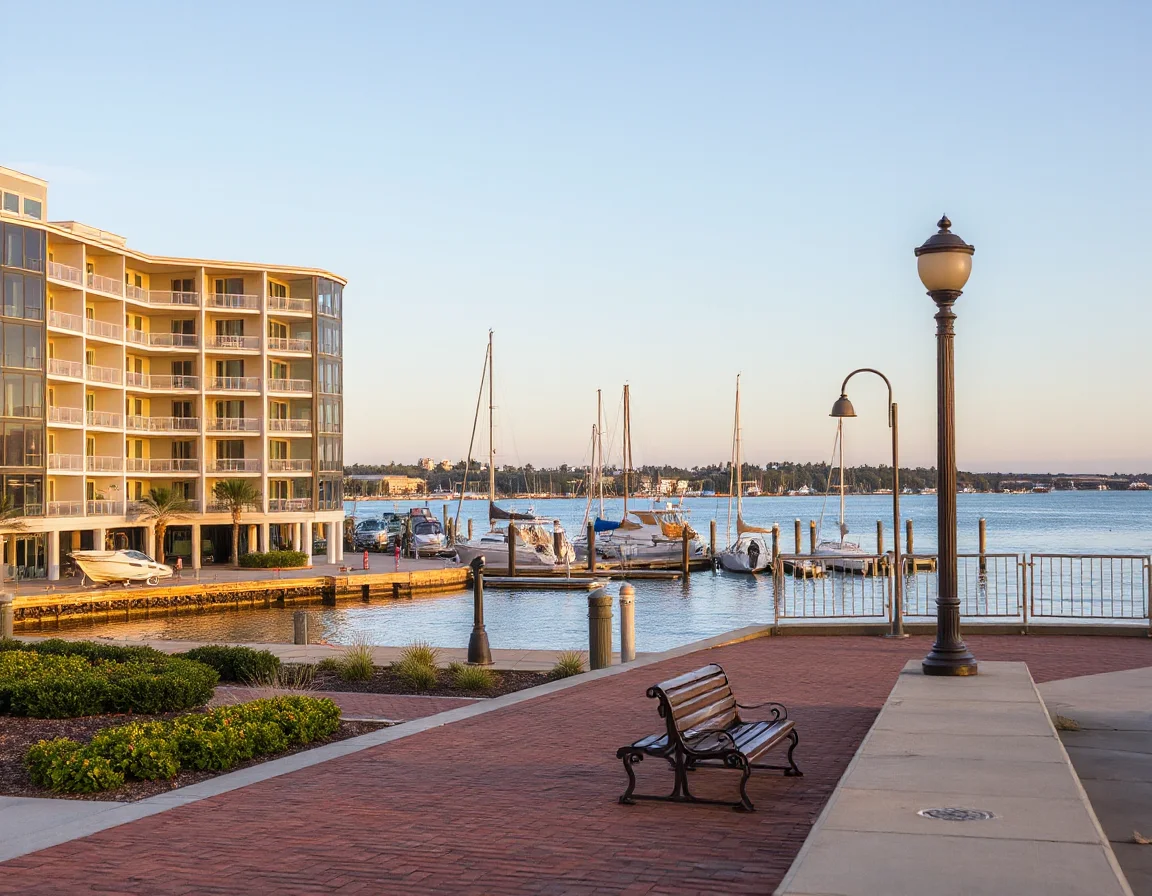
Closed sales tell a fuller story than active listings. An active listing shows what an owner hopes to receive; a recent closing shows what a buyer and seller agreed to under particular conditions. When comparing properties, look for homes with a similar location, property type, size, view, age, and level of renovation. A renovated ocean-block condo with a strong amenity package may not be a useful comparison for an older bayside unit, even if the bedroom count appears identical.
Price per square foot can be a helpful starting point, but it is not a final answer in a resort market. A larger residence may show a lower per-square-foot figure while carrying higher total costs, and a smaller updated unit may command a premium because it is move-in ready. In condominiums, the monthly or quarterly association fee deserves the same attention as the purchase price. That fee may cover items such as exterior maintenance, insurance components, elevators, pools, utilities, reserves, or management, depending on the building.
A listing that appears less expensive can become the higher-cost option once association fees, special assessments, insurance, parking, and anticipated improvements are added to the monthly ownership picture.
Seasonality can also influence how listings are viewed. The spring and summer months often bring more activity, more visitors to the coast, and more eyes on available homes. The quieter months can create room for more detailed due diligence, especially for buyers who want time to review documents, compare buildings, or inspect a property carefully. Neither season automatically guarantees a better deal; the advantage comes from matching your search or sale strategy to the property’s condition and the competition at that moment.
What to Watch in Current Listings
Strong listings make it easy to understand both the residence and the ownership experience. For Ocean City properties, that means looking beyond polished photographs and asking focused questions about the building or home. Review the age and status of roofs, siding, windows, HVAC equipment, elevators, decks, bulkheads, plumbing, electrical updates, and any shared infrastructure. Coastal weather and salt air can accelerate wear, so maintenance records and reserve information are especially meaningful.
For condominium buyers, association documents are a central part of the decision. Budget information, meeting minutes, rules, insurance details, rental policies, pending projects, reserve balances, and assessment history can reveal how a building is being managed. These documents are not simply paperwork to finish before settlement; they help clarify likely carrying costs and upcoming responsibilities. Buyers should also confirm what is included with the unit, from assigned parking and storage to furnishings and access to amenities.

Condition remains one of the clearest differentiators. Updated kitchens, bathrooms, flooring, windows, and mechanical systems can help a listing stand apart, but buyers should distinguish between cosmetic improvements and long-term maintenance. A fresh paint color may improve presentation; a documented replacement of aging systems may influence future budgeting. For sellers, presenting clear records of repairs and updates can build confidence and reduce uncertainty during negotiations.
Location inside Ocean City matters at a granular level. Consider the distance and route to the beach, bay access, parking setup, traffic patterns, outlook, nearby recreation, and the practical experience of arriving at the property during different times of day. An in-person visit is valuable because it helps buyers understand light, noise, privacy, elevator access, street activity, and the layout of surrounding buildings in a way that listing photos cannot fully convey.
Investors and owners considering seasonal rentals should review applicable local rules, association restrictions, licensing requirements, management costs, cleaning schedules, and maintenance expectations before making assumptions about income. Past rental performance can provide context, but it does not guarantee future results. A conservative analysis accounts for vacancy, taxes, insurance, association costs, repairs, furnishings, and market changes rather than relying on a single high-season projection.
Estimate monthly ownership costs
Negotiation Trends: Terms Can Carry Real Weight
In a changing market, negotiation is rarely only about the offer price. Sellers may weigh financing strength, inspection contingencies, settlement timing, appraisal considerations, inclusions, and the buyer’s readiness to proceed. Buyers, meanwhile, need terms that protect their interests while still presenting a credible offer. The best approach begins with a clear understanding of the property’s competition: how long it has been available, whether it has had price adjustments, what comparable homes have recently closed for, and whether the listing offers features that are difficult to replace.
A well-prepared buyer can be more decisive without skipping due diligence. Before writing an offer, it helps to understand lending options, estimated closing costs, association requirements, insurance considerations, and inspection priorities. Cash offers may simplify certain elements, while financed offers benefit from strong preapproval and realistic timelines. In either case, the contract should reflect the property, the building, and the buyer’s objectives rather than relying on a one-size-fits-all strategy.
In coastal transactions, a focused review of association records, insurance, maintenance history, and inspection findings can be more valuable than a rushed attempt to win solely on price.
Sellers can improve their negotiating position before the first showing. Accurate pricing, professional preparation, decluttering, strategic staging, responsive access for showings, and well-organized property documents all make it easier for potential buyers to evaluate a home. If the property has distinctive strengths—an updated bath, protected water view, deeded parking, outdoor space, or thoughtful storage—those features should be documented and presented clearly rather than left for visitors to discover by chance.
It is also wise for sellers to plan for the inspection and appraisal stages. Maintaining the property, addressing obvious deferred maintenance, and keeping receipts for major work can reduce last-minute surprises. If a buyer requests repairs or credits, the decision should be evaluated against the contract, the property’s condition, the current market response, and the practical cost of returning to market. A calm, informed response often creates a better outcome than reacting to one detail in isolation.
A Practical Way to Move Forward
Whether you are watching Ocean City listings from afar or touring homes in person, start with a written set of priorities. Separate non-negotiables from preferences: property type, desired location, budget, monthly carrying costs, parking, water access, renovation tolerance, rental goals, and timing. That framework makes it easier to recognize a compelling opportunity and easier to step back from a property that does not fit the full financial picture.
The coastal market rewards careful comparisons. Track the properties that sell, not only the ones that appear online. Notice which homes receive updates before listing, which buildings have transparent documentation, and which features consistently affect buyer interest. With sound preparation and local guidance, buyers and sellers can approach pricing and negotiation with clearer expectations and more confidence in each decision.