
Bethany Beach homes face a demanding mix of salt air, wind-driven rain, sun, humidity, and seasonal storms. Thoughtful exterior upgrades can reduce maintenance, protect key building components, and help a property present with confidence when it is time to sell. The best plan begins with the elements that shed water and resist corrosion—not just cosmetic changes.
Start With the Exterior Systems That Do the Most Work
Coastal weather is not a once-a-year concern. In Bethany Beach, Delaware, a home’s exterior is exposed to humid summer conditions, wind, intense sunlight, salty air, and periods of heavy rain throughout the year. Paint, trim, fasteners, railings, roofing, and drainage components all have to perform under that repeated exposure. A practical upgrade strategy focuses first on keeping water out and giving it a clear path away from the structure.
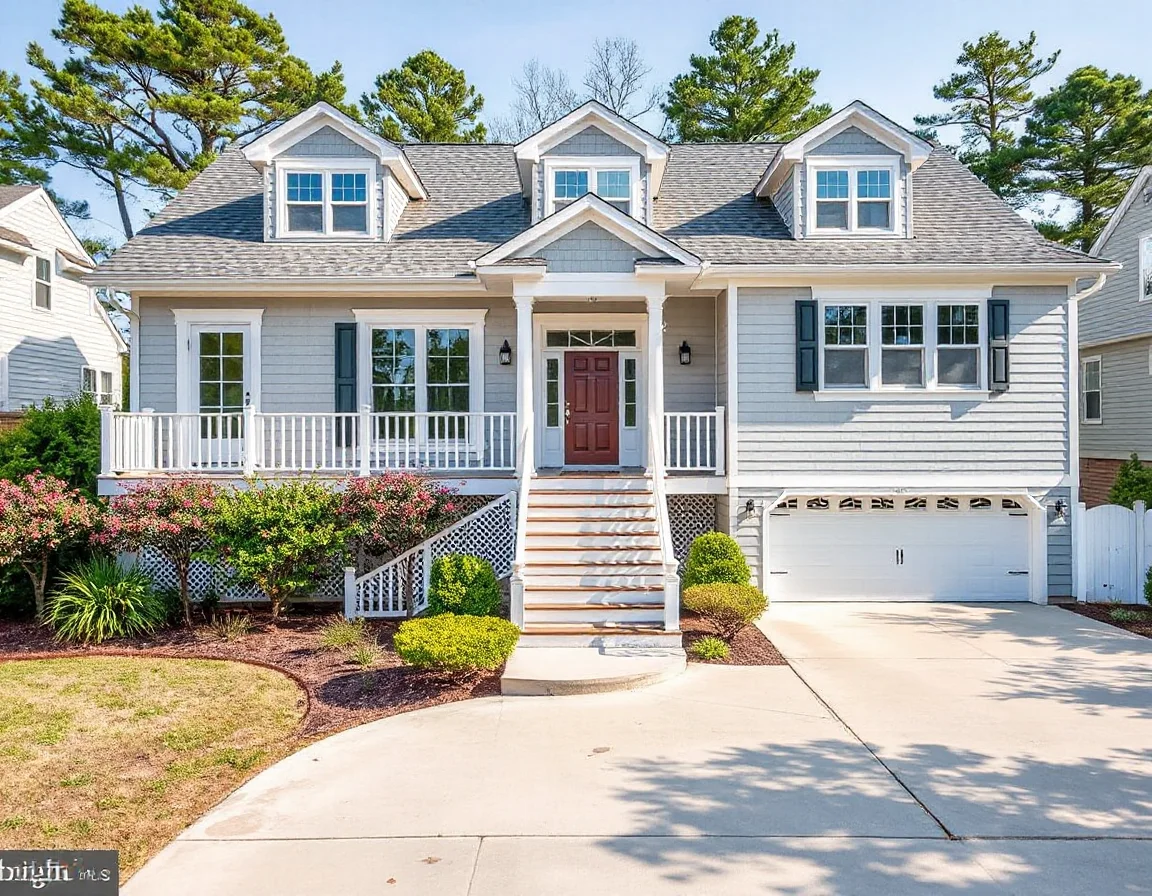
Roofing and flashing deserve an early look. A roof can appear sound from the ground while small weaknesses around vents, chimneys, skylights, and wall transitions allow water to enter. When planning replacement or repair, ask a qualified roofing professional about wind-rated materials, properly installed underlayment, corrosion-resistant flashing, and ventilation that supports the home’s overall moisture management. Clean, well-secured gutters and downspouts are equally important; they help move rainwater away from siding, foundation areas, walkways, and lower-level doors.
Windows and exterior doors are another high-value checkpoint. Weatherstripping, caulk, thresholds, and door sweeps can dry out or separate over time, especially where sun and moisture are persistent. Replacing worn seals is often a relatively modest maintenance project, while upgrading aging windows or doors may improve weather resistance, operation, and curb appeal. For any replacement, confirm that the product and installation approach are appropriate for local wind and water conditions.
A fresh coat of paint can improve appearance, but well-maintained flashing, sealants, gutters, and drainage often do more to prevent costly exterior deterioration.
Before committing to a larger project, walk the property after a strong rain. Look for standing water, splashback against siding, overflowing gutters, damp areas near exterior walls, and soil that slopes toward the home. These observations create a useful to-do list and help prioritize work that protects the building before attention shifts to finishes.
Choose Materials With Salt, Moisture, and Maintenance in Mind
Material selection matters along the Delaware coast because ordinary hardware and finishes can weather quickly in a salt-air environment. An exterior upgrade should balance style, expected upkeep, durability, installation quality, and the way the property is used. The goal is not to make every surface maintenance-free—few coastal materials truly are—but to choose components that make routine care more predictable.
For decks, stairs, porches, and railings, inspect the full system rather than focusing only on the visible boards. Connections, ledger flashing, posts, handrails, stair treads, and fasteners all deserve attention. Stainless steel or other marine-appropriate hardware can be a worthwhile choice where corrosion resistance is important. Composite decking, properly finished wood, and durable railing materials each have different care requirements, so reviewing manufacturer instructions and local building requirements before installation is time well spent.
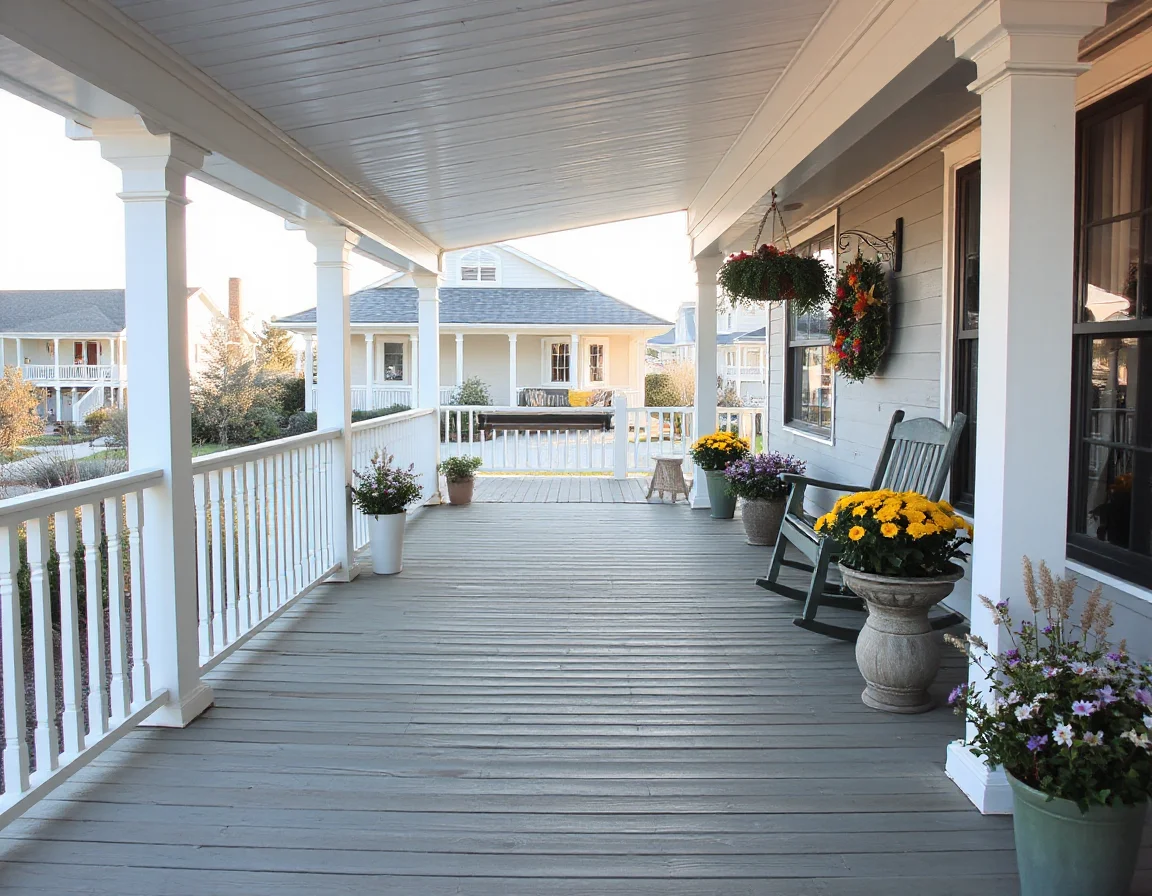
Siding and trim should be reviewed for cracked caulk, open joints, soft spots, peeling paint, and areas where vegetation holds moisture against the wall. Fiber-cement, vinyl, engineered wood, and natural wood products can all be appropriate depending on the home and installation details. What matters most is proper flashing, clearance from grade, sealed penetrations, and a maintenance routine that catches small issues before they become more complicated repairs.
Outdoor metal elements are easy to overlook until rust becomes visible. Check light fixtures, mailbox posts, hose bibbs, gate hardware, exterior screws, railing brackets, and mechanical equipment covers. Rinsing exterior metal surfaces with fresh water, following manufacturer guidance, and replacing failing hardware can help preserve the finished look of the property. If a renovation includes new exterior lighting or address elements, select fixtures designed for wet locations and coastal exposure.
Landscaping also contributes to exterior resilience. Keep plantings trimmed back from siding, avoid piling mulch against the house, and use groundcover or grading that supports drainage. Native or climate-appropriate plants can offer texture and seasonal interest while requiring a practical level of care. Clear paths around the property also make it easier to inspect walls, vents, hose connections, and foundation areas.
Make Storm Readiness Part of the Upgrade Plan
Storm preparation works best when it is built into routine ownership rather than handled at the last minute. Depending on the property, useful improvements may include impact-rated or protective window solutions, reinforced garage-door systems, securely anchored outdoor features, and a documented plan for shutters or removable storm panels. A licensed contractor can help identify options that fit the home’s design and applicable code requirements.
Pay particular attention to objects that can become airborne in high winds. Furniture, planters, umbrellas, grills, decorative items, and loose equipment should have a storage or securing plan. Trees and larger shrubs should be reviewed periodically for dead or damaged limbs. Exterior utility connections and HVAC equipment may also benefit from professional inspection, especially after severe weather or extended periods of salt exposure.
Keep a simple exterior maintenance record with dates, product warranties, contractor invoices, and before-and-after photos. It can make seasonal planning easier and provide useful documentation during a future sale.
Insurance considerations belong in the planning conversation as well. Before beginning a major exterior project, homeowners may want to speak with their insurance professional about coverage questions and with local permitting offices or contractors about requirements. A well-documented project completed with appropriate permits and professional guidance can be easier to explain to future buyers than an upgrade with unclear materials or installation history.
Protect Curb Appeal Without Chasing Every Trend
Exterior durability and visual appeal can work together. A clean roofline, coordinated trim, intact railings, maintained landscaping, and a welcoming entry communicate that a property has been cared for. In a beach market, buyers often notice exterior condition quickly because they understand that weather exposure is part of owning near the coast. Visible maintenance can help a home feel more prepared from the first showing onward.
When preparing to sell, start with a focused exterior review several weeks before photography or listing launch. Power washing should be used carefully and according to the material manufacturer’s guidance. Replace damaged screens, refresh faded numbers, tighten loose hardware, clean glass, remove clutter from decks and entries, and address obvious peeling or caulk failures. These small details help photographs show the home clearly without masking issues that should be repaired properly.
For larger decisions, consider the expected ownership horizon. A full siding replacement or roof project may be appropriate when systems are near the end of their service life, while targeted repairs may make more sense for a home that is otherwise in sound condition. Local market context, the property’s price range, and the scope of competing homes all matter. A thoughtful evaluation can help homeowners avoid spending heavily on features that do not solve a real maintenance or presentation need.
Coastal living rewards steady attention. By concentrating on water management, durable materials, corrosion-resistant details, storm preparation, and regular inspections, Bethany Beach property owners can build an exterior plan that is both attractive and practical. Whether the goal is long-term enjoyment or a future sale, the most valuable upgrades are the ones that help the home meet the weather with confidence.