
Rehoboth Beach buyers and sellers are navigating a market where the number of available homes, pricing strategy, and property condition can matter as much as the headline list price. Understanding where inventory is building, where demand remains durable, and how to structure a competitive offer can help turn a changing market into a clearer decision.
A Market Defined by Choice and Timing
Rehoboth Beach real estate has always been shaped by the coast: seasonality, second-home demand, investment goals, and the enduring appeal of being near the Atlantic Ocean, boardwalk, parks, dining, and nearby Lewes. Those fundamentals remain important, but the current conversation has shifted toward a more practical question: how much choice is actually available when a buyer is ready to act?

Inventory shifts rarely affect every property in the same way. A renovated coastal cottage near the beach, a newer condominium with amenities, a townhome with low-maintenance features, and a larger home farther inland may each attract different levels of attention. More listings can give buyers time to compare layouts, fees, rental restrictions, parking, flood considerations, and upkeep obligations. At the same time, a well-prepared property in a highly sought-after setting can still draw prompt interest.
For sellers, this means the listing process benefits from precision. A price that reflects recent comparable sales, current competition, condition, and location can create a stronger first impression than a number based only on last season’s headlines. Buyers tend to notice when a home has been sitting without a clear reason, especially when newer listings offer similar bedrooms, outdoor space, or proximity to local amenities.
In a market with more options, the first two weeks of a listing often provide the clearest feedback on price, presentation, and buyer response.
For buyers, additional selection can create breathing room without eliminating the need for preparation. Homes that are clean, appropriately priced, and ready for use may still move quickly. The advantage is not necessarily unlimited time; it is the ability to compare opportunities thoughtfully and make an offer based on the full cost and value of ownership rather than urgency alone.
What Price Trends Really Tell Buyers and Sellers
Price trends are useful, but a single median sale price cannot explain every Rehoboth Beach transaction. A month with several waterfront or luxury sales can move the median upward even if many other homes are trading in a different range. Likewise, a change in the mix of condominium, townhome, and detached-home sales can make year-over-year comparisons appear more dramatic than the experience of any one buyer or seller.
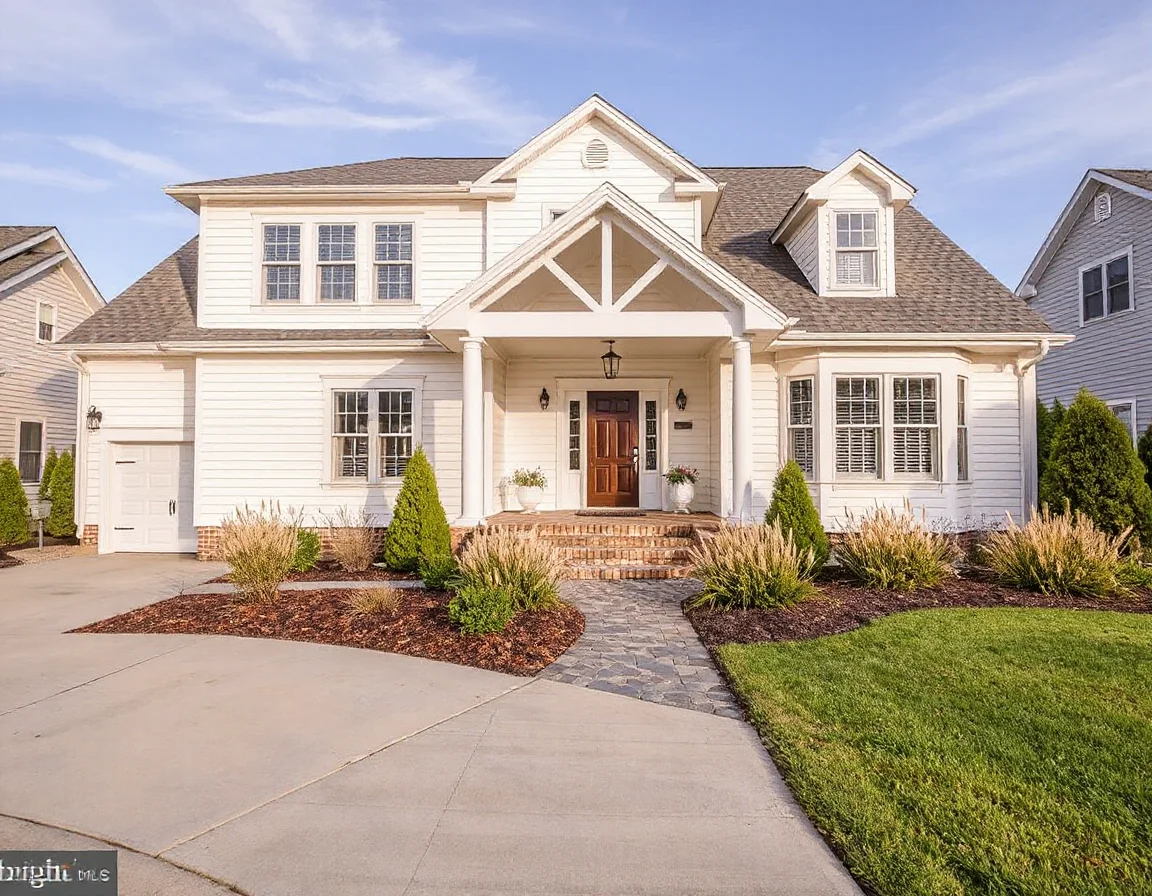
A more useful approach is to study the homes a purchaser would genuinely consider or the homes a seller will compete against. Look at original list price, price reductions, days on market, final sales price, condition, lot size, community fees, and whether furnishings or rental bookings are part of the transaction. A home with updated systems and a polished interior may command a different response than one that needs deferred maintenance addressed, even when both appear similar in an online search.
Coastal ownership adds another layer to pricing. Flood zones, insurance availability and cost, age of major systems, elevation details, rental history, municipal rules, and association documents can influence perceived value. These are not automatic deal-breakers; they are decision points that deserve early review. A clear understanding of the property’s ongoing expenses helps buyers establish a comfortable range and helps sellers present information with confidence.
Condition also carries more weight when buyers have alternatives. Fresh paint, thoughtful staging, clean exterior areas, functional lighting, and complete disclosures can help visitors focus on the home’s best qualities. Sellers do not need to make every possible improvement, but they should prioritize projects that reduce uncertainty and make the property easy to evaluate.
Request a home value conversation
Where Buyer Leverage Can Appear
Buyer leverage does not always look like a dramatic price reduction. It may show up as flexibility around settlement timing, the inclusion of selected furnishings, repair negotiations after inspections, a seller-paid credit where permitted, or fewer competing offers. The right request depends on the property, the seller’s priorities, financing details, and the terms already on the table.
One of the strongest forms of leverage is information. Before submitting an offer, buyers can review recent comparable sales, active competition, the property’s listing history, association budgets and rules where applicable, estimated insurance costs, and any known maintenance needs. For beach properties, it is also wise to understand whether the home has rental potential, whether there are rental restrictions, and how seasonal occupancy may affect access for inspections, appraisals, or settlement.
Financing readiness remains valuable even when inventory grows. A current pre-approval, clear proof of funds when needed, and an understanding of monthly payment scenarios can help a buyer respond decisively when the right home appears. Cash buyers should still consider inspections, title review, insurance research, and property-condition contingencies that fit the situation.
The most effective offer is not always the highest number; it is the package of price, timing, contingencies, and clarity that best addresses the transaction in front of you.
Negotiation works best when it is specific. Asking for a broad concession without a reason can be less persuasive than tying a request to inspection findings, comparable listings, necessary repairs, or a documented ownership expense. Sellers benefit from the same discipline: a prompt, organized response to questions and a willingness to distinguish material concerns from minor preferences can keep a viable transaction moving forward.
How Sellers Can Compete Without Chasing the Market
When inventory increases, sellers may be tempted to make repeated small price changes without addressing the listing’s overall positioning. A stronger plan begins with an honest review of competing properties. How does the home compare in photographs, maintenance, updates, outdoor areas, parking, location, and monthly carrying costs? What will a buyer see after touring three similar homes on the same afternoon?
Presentation matters because it shapes confidence. High-quality photography, a well-lit and uncluttered interior, attention to entry areas, and a straightforward list of improvements can make a listing easier to understand online and in person. For a property used as a vacation home or rental, organized details about permitted uses, bookings, furniture, and operating expenses can also reduce friction for interested purchasers.
Sellers should expect buyers to be more analytical when choices expand. That does not mean accepting every request. It means responding with market evidence and keeping the focus on the home’s actual value. A property that is accurately priced and professionally presented is less likely to depend on last-minute concessions to regain attention.
Talk through your Rehoboth Beach plans
A Clearer Way to Move Forward
Rehoboth Beach remains a distinctive coastal market, but no two blocks, communities, or property types behave exactly alike. The most useful strategy is local and current: compare like with like, understand ownership costs, watch new competition, and make decisions based on the property’s condition and your own goals.
Whether you are considering a beach retreat, a year-round residence, or an investment property, shifting inventory can create meaningful opportunities to negotiate, evaluate options, and plan carefully. Sellers can benefit from thoughtful preparation and accurate positioning, while buyers can benefit from patience backed by readiness. In either direction, the best next step is a decision grounded in real-time market context rather than broad assumptions about what the market “should” be doing.