
Coastal homes reward consistent care. In Dewey Beach, a focused maintenance plan can help protect exterior materials, manage moisture, preserve comfort, and support a property’s long-term appeal when it is time to sell. Start with the systems that stand between your home and the elements: roof, siding, drainage, windows, decks, and mechanical equipment.
Why Coastal Maintenance Matters
A home near the water has a character all its own: bright light, salt air, changing weather, and outdoor spaces that invite everyday use. Those same conditions can be demanding on building materials. Salt particles, wind-driven rain, sand, humidity, and seasonal temperature changes may affect painted surfaces, fasteners, wood trim, exterior HVAC components, and drainage systems faster than they would farther inland.
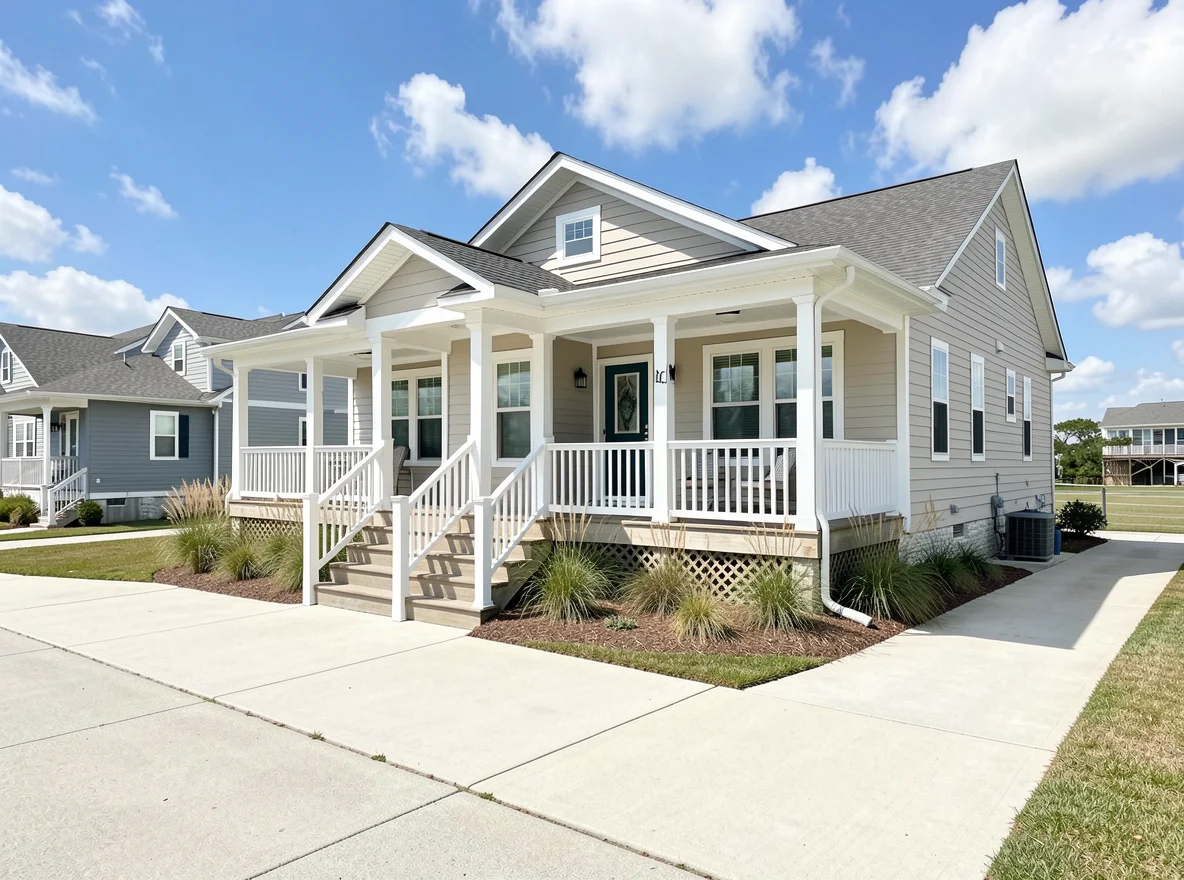
That does not mean every project needs to be large or disruptive. In many cases, the most valuable work is preventive: washing away salt residue, sealing a small gap before water reaches a wall cavity, tightening a loose railing, or clearing a drainage path before a heavy rain. A written seasonal checklist makes these tasks easier to schedule and creates a useful maintenance record for future owners, inspectors, and contractors.
For property owners considering a future sale, well-documented upkeep can also make a home easier to present. Buyers often respond to visible signs of care, including crisp paint, sound decking, clean exterior surfaces, working gutters, and mechanical systems with recent service records. Maintenance is not a substitute for a property-specific inspection, but it can reduce surprises and make planning more straightforward.
A coastal maintenance file is a practical asset: save invoices, warranties, service dates, paint colors, roof information, and photos taken before and after major work.
Start with the roof, siding, and drainage
The roof is a sensible first stop because small issues can become expensive when moisture travels beyond the surface. Schedule periodic professional review of shingles, flashing, vents, sealants, and roof penetrations. From ground level, look for displaced materials, staining, clogged gutters, or branches that touch the roof. Avoid walking on a roof unless you have the training and equipment to do so safely.
Gutters and downspouts deserve equal attention. Their job is simple but essential: move water away from the structure. Clear leaves and debris, confirm that downspouts discharge away from the foundation or crawlspace area, and watch the property during a steady rain. Puddling near the home, overflowing gutters, or erosion around a downspout are useful signals that the drainage plan needs attention.
Siding, trim, railings, and exterior doors should be washed according to the manufacturer’s recommendations. Gentle cleaning can remove salt film, pollen, mildew, and accumulated grime without damaging paint or protective coatings. Pay close attention to caulk around windows, doors, vents, and trim boards. Flexible sealant that has cracked, shrunk, or pulled away may allow water into places where it does not belong.
Protect Outdoor Living Areas and Structural Details
Decks, stairs, porches, and balconies are central to the way many Dewey Beach properties are enjoyed, and they require regular review. Look for loose boards, soft spots, popped fasteners, splintering surfaces, worn coatings, and railings that move when pressure is applied. Any concern involving structural connections, elevated surfaces, or guardrails should be evaluated promptly by a qualified professional.

Material choices matter when repairs are due. Stainless-steel or appropriately rated corrosion-resistant fasteners, exterior-rated hardware, durable coatings, and products suited to a marine-influenced setting can be worth discussing with a contractor. The best selection depends on the home’s design, exposure, local requirements, and manufacturer specifications. Keeping unlike metals properly separated can also help reduce corrosion concerns.
Landscaping is part of maintenance, too. Keep vegetation trimmed back from siding and outdoor mechanical equipment so air can circulate and service access remains clear. Check that mulch, soil, and planting beds do not direct water toward the house. Native or site-appropriate plantings can help create an attractive setting while reducing the need for constant intervention, but grading and drainage should remain the priority around the structure.
Outdoor showers, hose connections, irrigation lines, and exterior lighting are easy to overlook until they leak or fail. Test them before the busiest part of the season, inspect visible pipes and connections, and consider a licensed professional for electrical or plumbing work. A small repair completed early can prevent a more complicated project later.
Keep moisture and air quality on the maintenance calendar
Inside the home, humidity control is one of the most important year-round habits. Use bathroom and kitchen ventilation as intended, monitor areas that tend to feel damp, and inspect beneath sinks, around appliances, and near windows for signs of leaks. Crawlspaces, utility rooms, and storage areas should be checked periodically for moisture, musty odors, standing water, or visible changes to building materials.
Heating and cooling equipment also works hard in a coastal environment. Seasonal service can help maintain efficient operation and identify worn components before a system is under peak demand. Replace filters on the schedule recommended for your system and household conditions, keep exterior condensers clear of debris, and ask your technician about corrosion protection where appropriate. If a property is vacant for stretches of time, consider a plan for routine checks of plumbing, humidity, and temperature.
After a major storm, photograph the exterior before cleanup, note the date, and contact qualified professionals or insurers as needed. Clear documentation helps organize next steps.
Plan Improvements with Future Value in Mind
Not every upgrade delivers the same benefit. Before beginning a major exterior project, prioritize repairs that protect the home from water intrusion, deterioration, or safety concerns. Then consider improvements that strengthen daily use and visual presentation, such as refreshed exterior paint, updated lighting, repaired decking, a tidy entry, or organized outdoor storage. These projects can make a property feel cared for without relying on overly personal design choices.
When planning work, obtain written scopes, verify licensing and insurance requirements, understand permit needs, and ask about material warranties. Coastal projects can involve specific building rules, flood considerations, elevation requirements, or association guidelines, depending on the property. A qualified local contractor and the appropriate municipal or association resources can help clarify what applies before work begins.
For sellers, timing matters. Completing visible maintenance before photography and showings can help a home present more confidently, while incomplete projects may raise questions that distract from its strengths. For buyers, a maintenance budget should be part of the ownership conversation from the beginning, especially for homes with decks, exterior stairs, multiple HVAC systems, or extensive outdoor features.
Protecting coastal value is rarely about one dramatic renovation. It is the cumulative result of regular attention, informed repairs, and clear records over time. In Dewey Beach, a home that is clean, dry, functional, and thoughtfully maintained is better positioned to deliver lasting enjoyment today and a stronger presentation whenever the next move is on the horizon.