
A coastal address can bring ocean views and easy access to the water, but it also calls for a closer look at flood risk and insurance. Before you commit to an Ocean City home, check the property’s flood zone, request coverage quotes, and understand how the costs fit into your financing. The right questions early in the process can help you avoid surprises near closing.
Start with the property, not the shoreline
Ocean City’s location between the Atlantic Ocean and coastal bays makes water part of its appeal—and an important consideration when buying property. Flood exposure can vary from one building to another, so a listing description or a neighbor’s experience is not enough to establish the risk or the insurance requirements for a particular home.
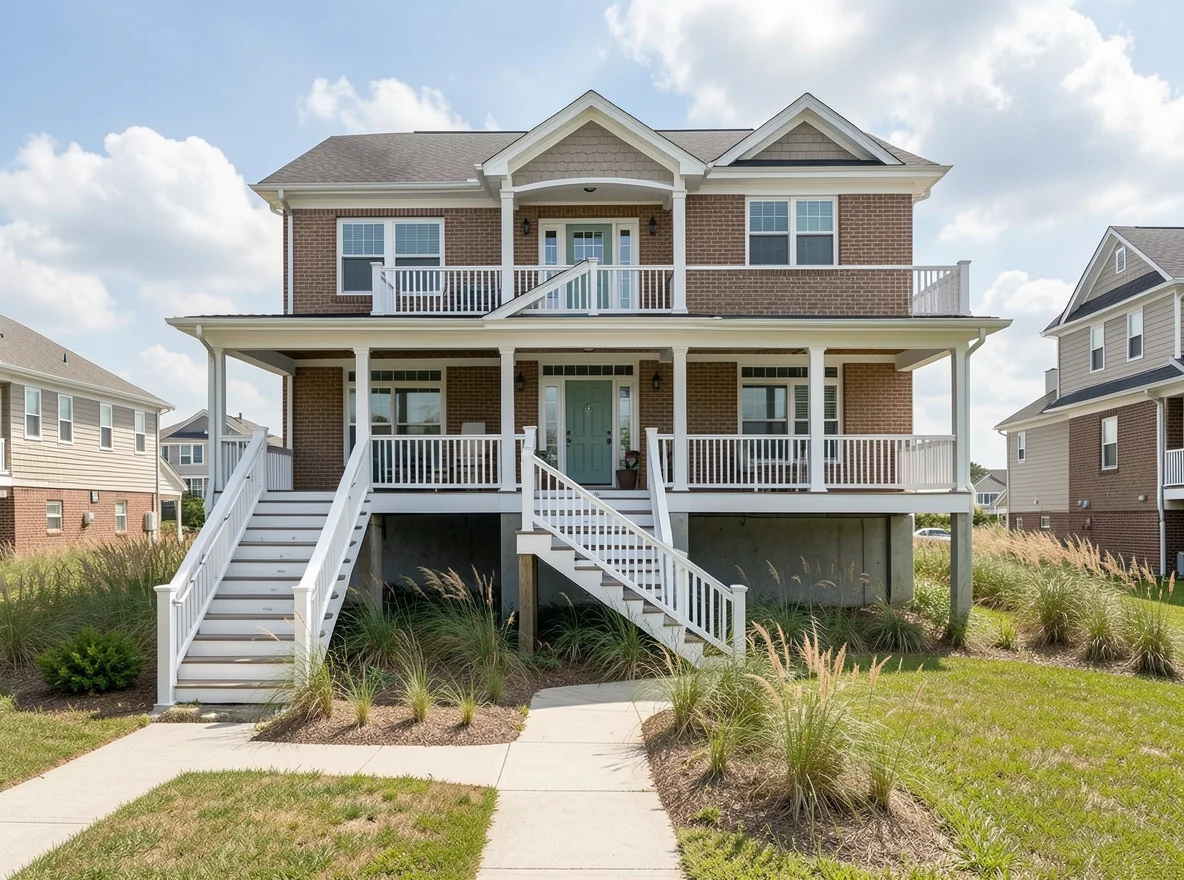
Begin with the address in FEMA’s Flood Map Service Center and review the effective flood map for the property. Look for the building’s location, the mapped zone, and the map’s effective date. If the boundary appears close to the structure or the map is difficult to interpret, ask the local floodplain administrator or a qualified surveyor for help. Your lender will also make its own flood-zone determination during the loan process.
It is worth checking more than the main living area. Parking, storage, building access, mechanical equipment, and common areas may all matter to your practical assessment of a coastal property. Ask about previous flooding and repairs, and review available seller disclosures. A map is a starting point, not a complete history of how a particular building has performed during storms.
A flood-zone boundary can run close to a building. Verify the specific structure and ask your lender how its determination may affect your loan.
Consider how you would use the property, too. A home that will be occupied year-round may present different insurance questions from a seasonal residence or a rental. Tell your insurance professional about your intended use so the quotes and coverage options reflect it.
What flood zone labels mean
FEMA maps identify areas with different levels and types of mapped flood hazard. Zones beginning with A or V are generally Special Flood Hazard Areas, associated with at least a 1% annual chance of flooding. A V zone also reflects coastal flood hazards that include waves. Zone X generally indicates an area outside the high-risk zone, although some X areas have moderate flood risk.
Those labels help with planning, but they do not promise that flooding will or will not occur. Heavy rain, storm surge, drainage issues, and changing conditions can affect properties outside mapped high-risk areas. Flood maps may also change, so check the current effective map and ask whether any proposed updates are available for review.
For a federally backed or regulated mortgage on a building in a Special Flood Hazard Area, flood insurance is generally required. Lenders may require coverage in other locations as well. If you are paying cash, the decision may be yours, but an insurance quote can still help you weigh the potential cost of coverage against the financial consequences of a flood.
Ask about elevation and building details
An existing elevation certificate, if available, can provide useful information about a building’s elevation and characteristics. Request a copy from the seller or association and share it with your insurer. It may help inform an evaluation, but do not assume it will determine the premium or that every property has one. If you need a new certificate, ask a qualified surveyor about cost and timing.
Compare insurance before you finalize your budget
A standard homeowners policy generally does not cover flood damage. Ask an insurance professional about a separate flood policy through the National Flood Insurance Program, private insurers, or both where available. Compare actual quotes rather than relying on the seller’s premium: the price and terms available to a new owner may differ.
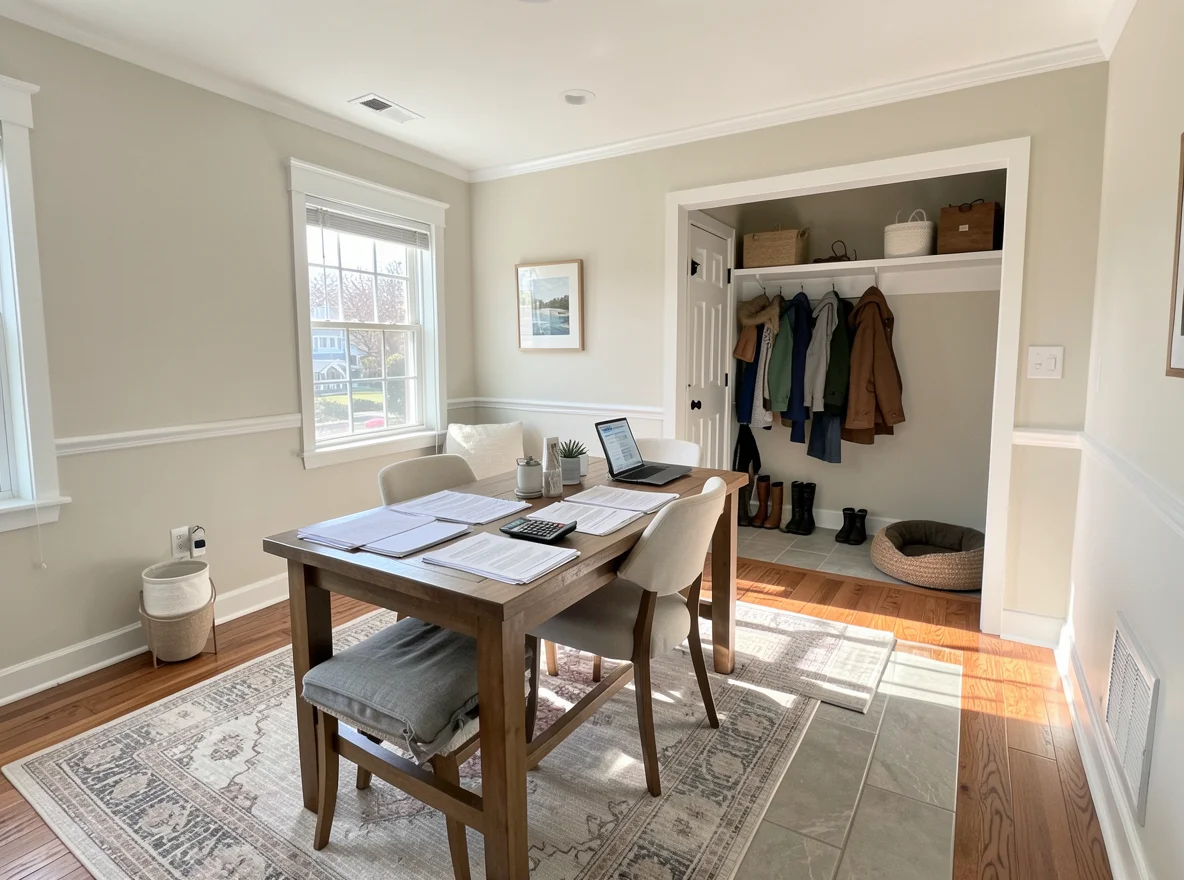
For each quote, review building and contents limits, deductibles, exclusions, replacement-cost or actual-cash-value terms, and any conditions that apply to the property. Ask specifically about coverage for areas below the elevated living space and for items stored there. Separate wind, homeowners, or condominium policies may also be relevant; an agent can explain where coverage begins and ends.
Timing matters. Many new NFIP policies have a 30-day waiting period, though exceptions can apply, including in certain loan-related situations. Private policy terms may differ. Contact an insurance professional as soon as you have a property under consideration, and confirm the proposed effective date rather than assuming coverage begins when you request a quote.
The cheapest premium is only one part of the comparison. Coverage limits, deductibles, exclusions, and the policy’s effective date can change the value of a quote.
Bring the estimated premium to your lender and add it to your broader ownership budget alongside homeowners or condo insurance, property taxes, association dues, maintenance, and any applicable wind coverage. Ask whether insurance will be paid through an escrow account and whether the lender has minimum coverage requirements.
Explore the mortgage calculator
Buying a condo? Review both layers of coverage
For a condominium, request the association’s master insurance information, governing documents, current budget, and details of any special assessments. Ask the association or its insurance representative what the master policy covers, what deductible applies, and which portions of the unit are the owner’s responsibility. Do not assume that a master flood policy covers your personal belongings or every interior improvement.
Then ask your own insurance professional about an individual unit policy, flood contents coverage, and any other protection that may be appropriate. Discuss potential assessment exposure and confirm what a particular policy actually covers. The answers depend on the association documents and policy language, so request written details rather than relying on a general description.
Build flood questions into your purchase timeline
Once a property is on your shortlist, coordinate with your real estate agent, lender, inspector, and insurance professional. An inspection can help identify visible concerns, but it does not replace a flood-zone determination, an insurance review, or a specialist’s assessment. Ask about signs of prior water intrusion, the location of utilities, drainage, and any repairs or permits the seller can document.
Before signing an offer, discuss the available inspection and financing contingencies with your agent, including their deadlines and how insurance questions fit into your due diligence. If documents or quotes raise concerns, seek professional advice promptly. Sellers can prepare by gathering relevant disclosures, insurance information, repair records, and any elevation certificate available for the property.
Buying near the water is easier to evaluate when the numbers and documents are in view. With a current map, property-specific quotes, and a clear understanding of the loan and association requirements, you can compare Ocean City homes with greater confidence and make a decision that fits your plans.