
Frankford offers an interesting middle ground for buyers looking at coastal-access investment property without the price tags often seen closer to the shoreline. Understanding local taxes, seasonal rental patterns, and realistic expense planning can make the difference between a property that merely looks good on paper and one that performs over time. This guide breaks down the practical numbers and market factors that matter most before you buy.
Why Frankford Draws Attention from Property Investors
Just inland from the South Delaware Beaches, Frankford has become a place many buyers study when they want proximity to Bethany Beach, Fenwick Island, Ocean View, and other coastal destinations while still keeping acquisition costs in a more flexible range. That location can create opportunity: owners may be able to serve beach-oriented demand without competing directly at the highest coastal price points. For investors, that often means taking a closer look at single-family homes, townhomes, and newer communities where the numbers may leave more room for maintenance reserves, furnishing costs, and financing.
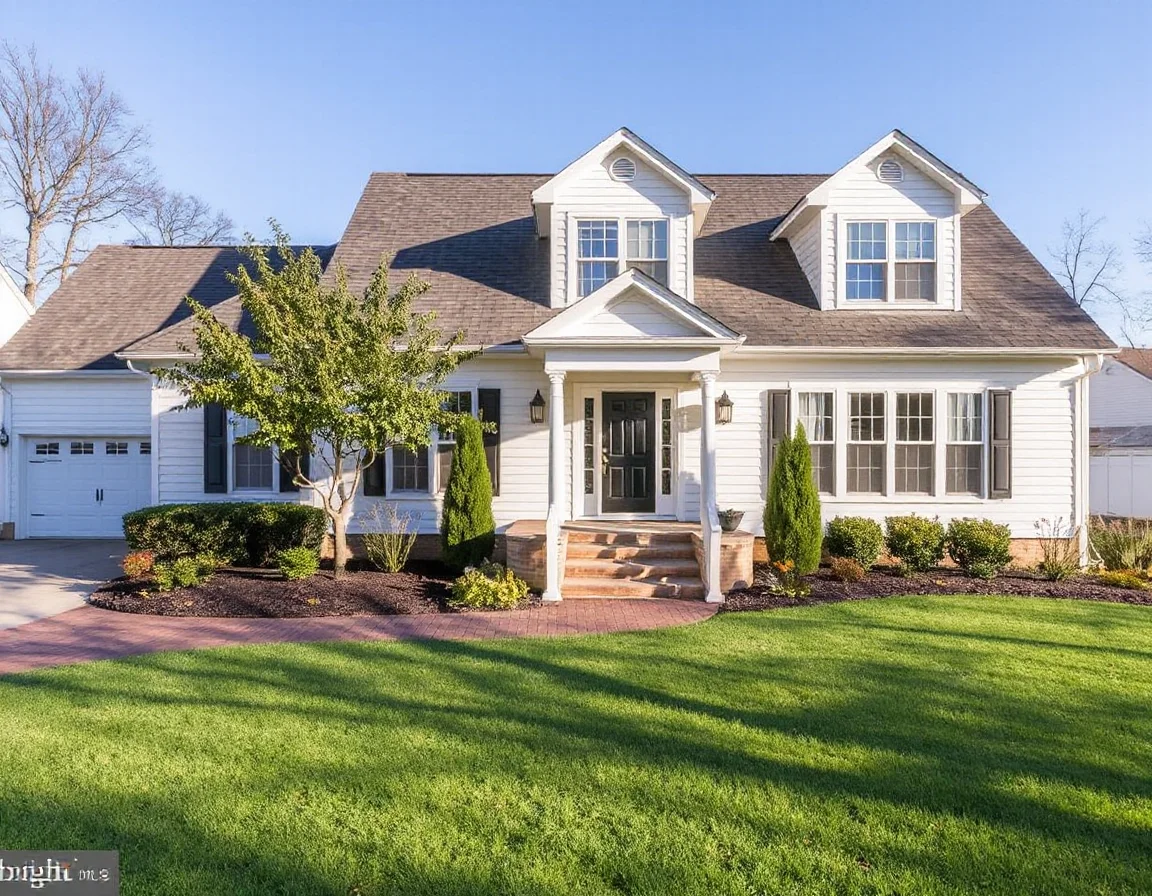
Another reason Frankford gets attention is its range of use cases. Some buyers are comparing long-term rental income against seasonal or monthly stays. Others are looking at a hybrid strategy, using a property personally for part of the year and renting it when it is not occupied. That flexibility can be attractive, but it also requires careful review of HOA rules, local regulations, insurance costs, lender guidelines, and realistic booking expectations rather than assuming peak summer demand lasts all year.
Because Frankford sits within reach of strong coastal traffic patterns, buyers should think less in terms of a generic “beach rental” and more in terms of travel behavior. Guests and tenants often compare drive time to the shore, access to Route 26 and nearby corridors, parking ease, home size, outdoor storage, and whether the property feels convenient for a full week or weekend stay. Those small operational details can affect occupancy just as much as the headline purchase price.
A property that is 10 to 20 minutes from the beach can still perform well, but the margin often depends on layout, condition, parking, and low-friction access during peak-season traffic.
Property Taxes and Ownership Costs to Review Up Front
Delaware is often noted for relatively modest property taxes compared with many other states, and that can be a meaningful advantage when evaluating annual carrying costs. Still, investors should avoid relying on statewide reputation alone. The right way to underwrite a Frankford property is to verify the current tax bill, assess whether the property is in town or in an unincorporated area, review county charges, and check for any community association dues that may significantly change the monthly cost picture.
Insurance deserves equal attention. A home near coastal demand centers may carry different premiums depending on age, elevation, flood-zone exposure, roof condition, storm resilience, and whether the property will be used as a primary residence, second home, or investment. For furnished rentals, replacement costs and liability coverage matter too. Those line items can narrow expected returns faster than many first-pass spreadsheets suggest.

Beyond taxes and insurance, investors should budget for utilities, lawn care, pest treatment, cleaning turnover, property management if applicable, and reserves for appliance replacement, paint, flooring, and exterior upkeep. Newer properties may reduce near-term repair risk, but HOA dues can offset some of that benefit. Older homes may offer better entry pricing, though deferred maintenance can reshape the true cost basis after closing. In either case, the best analysis includes both fixed costs and a repair reserve that assumes something will eventually need attention.
If you are comparing a potential purchase to other options in Sussex County, it can help to line up each property by annual taxes, insurance estimate, HOA dues, and expected maintenance reserve before even looking at income projections. That keeps the decision grounded in actual ownership cost instead of listing excitement.
Estimate monthly costs with the mortgage calculator
When two homes have similar list prices, the stronger investment is often the one with lower recurring costs and fewer near-term capital improvements.
How Rental Demand Works in the Frankford Area
Demand in and around Frankford is usually influenced by beach season, shoulder-season travel, and the property’s ability to function comfortably for more than a quick overnight stay. Summer remains the strongest period for many coastal-area rentals, but shoulder seasons can also be valuable, especially for well-maintained homes with outdoor living space, appealing interior finishes, and easy access to recreation, dining, golf, and beach routes. Buyers should ask not only whether a home can rent in July, but how it may perform in May, September, and October.
Property type matters here. Larger homes may appeal to groups traveling together, while low-maintenance townhomes can attract guests who want a simpler base near the coast. Features such as first-floor bedrooms, newer kitchens, storage for beach gear, outdoor showers, patios, and community amenities may support stronger rates or broader booking appeal. On the long-term side, year-round rental demand can be shaped by regional employment, housing supply, commute convenience, and overall affordability compared with nearby coastal towns.
Investors also need to distinguish between gross rental revenue and usable net income. A home with strong summer bookings might still underperform if turnover costs are high, furnishing expenses are heavy, and the calendar softens dramatically outside peak weeks. By contrast, a property with more moderate rates but steadier occupancy and simpler operations may deliver a cleaner long-term result.
A Practical Way to Think About ROI
Return on investment is rarely just one number. In Frankford, buyers often need to consider a mix of cash flow, appreciation potential, tax strategy conversations with their advisor, and the level of operational effort involved. Start with net operating income: projected rent minus vacancy, management, maintenance, cleaning, utilities paid by owner, insurance, taxes, dues, and reserves. Then compare that figure to your cash invested and financing structure. This approach gives a more realistic picture than focusing only on headline rental rates pulled from peak-season comparables.
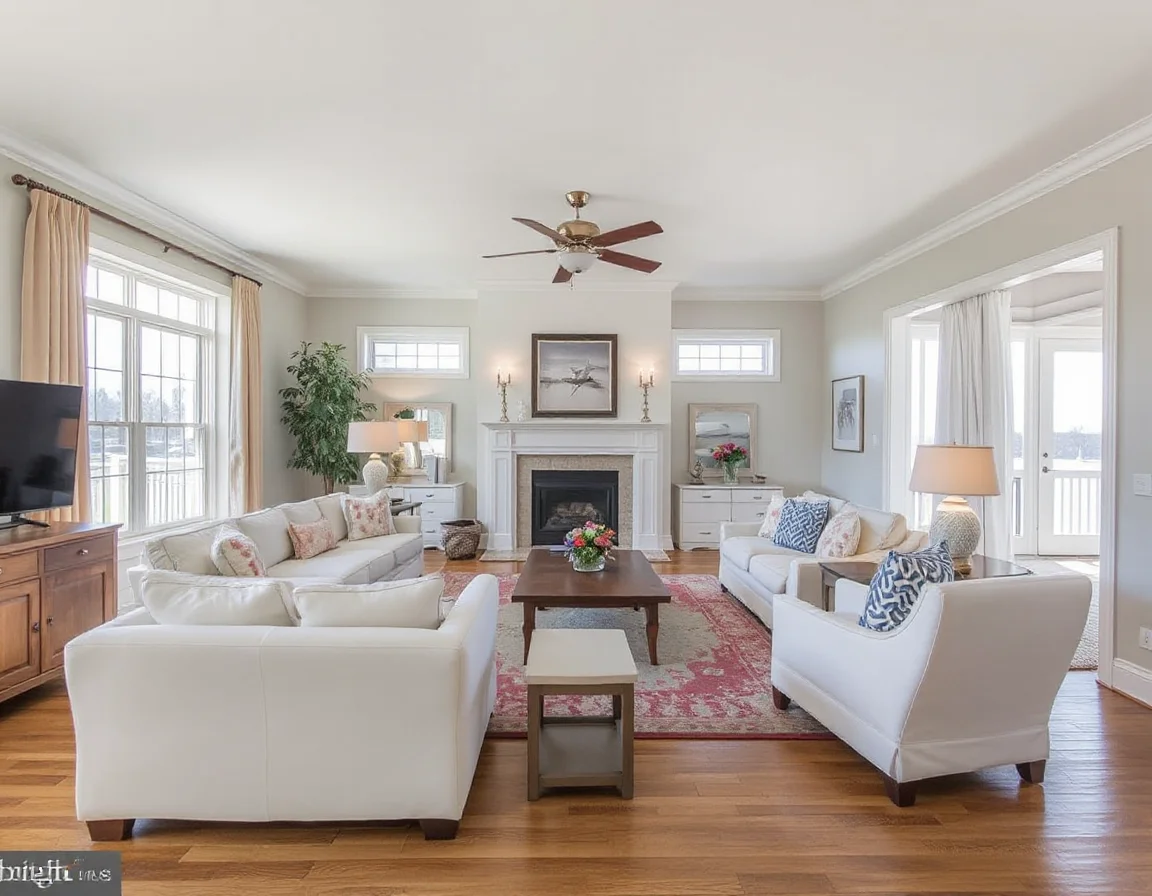
It is also smart to run multiple scenarios. One can assume conservative occupancy and average maintenance. Another can test what happens if bookings dip, interest rates affect refinancing plans, or a major system replacement comes sooner than expected. That stress test is especially helpful for properties in vacation-oriented markets, where seasonal swings and operating costs can be more pronounced than in a straightforward year-round rental model.
Appreciation should be treated as a bonus, not the only plan. Frankford’s appeal is tied to its location near established beach destinations and the broader Sussex County market, but investors are best served when a property can make sense operationally even without aggressive appreciation assumptions. A home that breaks even only under perfect conditions may not be as strong as one with slightly lower upside but more dependable fundamentals.
Before making an offer, buyers should review comparable sales, likely rental positioning, restrictions affecting lease terms, and any improvements needed to compete well. A thoughtful purchase in this market is usually less about chasing the highest advertised rate and more about selecting a property that is easy to own, easy to market, and financially resilient.
What Buyers Should Watch Before Moving Forward
The strongest investment decisions usually come from local detail. In Frankford, that means checking road access, community rules, lot configuration, age of major systems, parking capacity, and whether the home’s finish level matches the rent you hope to charge. It also means understanding where the property sits in relation to nearby coastal demand centers, because a few extra minutes of drive time may matter less than a better floor plan, lower tax bill, or more durable condition.
For buyers who want exposure to the South Delaware Beaches market without buying directly in the most expensive coastal zones, Frankford can be worth serious consideration. The key is disciplined underwriting: verify taxes, estimate insurance accurately, budget for turnover and reserves, and analyze demand with a full-year perspective. When those pieces line up, an inland-coastal investment can offer a compelling mix of accessibility, usability, and long-term potential.