
Flood zones are an important part of buying and selling in Lewes, but they are only one piece of a property’s story. The most confident decisions come from reviewing the current map designation, elevation and mitigation details, insurance options, and the way buyers are responding to comparable homes. A clear plan can turn a complex coastal-market question into a practical next step.
Why flood-zone details matter in Lewes
Lewes offers a distinctive mix of historic streets, bay and beach access, marsh views, newer communities, and homes positioned at many different elevations. That variety is part of the appeal, but it also means flood considerations can change from one block to the next. A property near water is not automatically in the same flood zone as another nearby home, and two homes with similar map designations may have very different insurance costs or mitigation features.
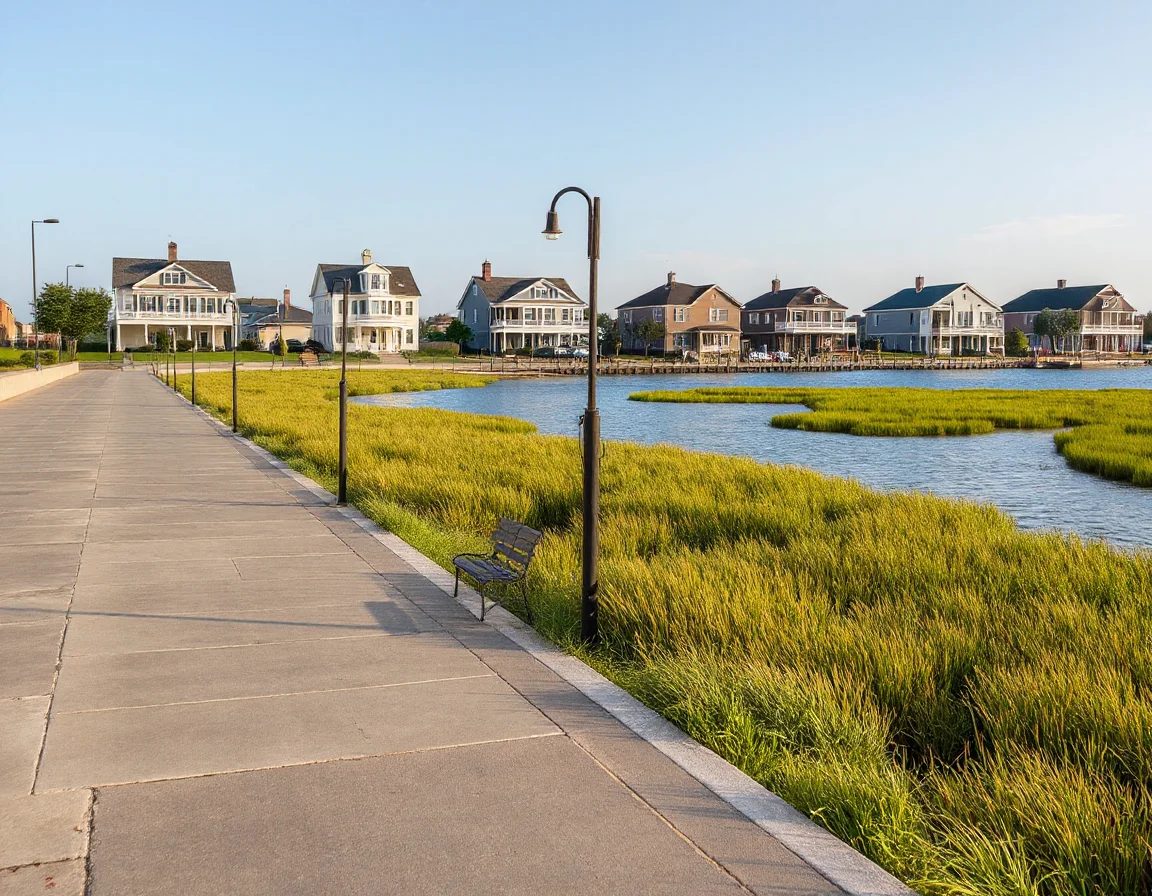
For buyers, the first goal is not to make a quick yes-or-no judgment based on a map label. It is to understand the property-specific facts behind that label. Flood insurance requirements, lender guidelines, prior claims, elevation certificates, crawlspace or foundation design, drainage, and the home’s finished-floor elevation can all affect ownership costs and future marketability.
For sellers, preparation matters just as much. Buyers commonly ask early questions about flood risk, insurance premiums, prior water intrusion, and protective improvements. Organized documentation can make those conversations more straightforward and help a listing stand out for its transparency. Useful records may include an elevation certificate, insurance declarations page, permits for improvements, receipts for drainage or flood-mitigation work, and disclosures required under Delaware law.
A flood map is a starting point, not a complete insurance quote. Insurers evaluate the home’s individual characteristics, so two nearby properties can carry meaningfully different premiums.
Federal Emergency Management Agency flood maps are widely used by lenders to determine whether flood insurance is required for a financed property in a Special Flood Hazard Area. Common designations include zones beginning with A or V, though the exact zone and base flood elevation should be confirmed through current official records. Maps can be updated over time, and a property’s designation may differ from assumptions based on a nearby street, a listing description, or an older document.
Start with the property, not the assumption
A well-organized due-diligence process begins before an offer is written whenever possible. Ask for the current flood-zone designation, then compare it with the property survey, elevation certificate if available, and the details provided by the seller. If the home is in a zone where insurance may be required by a lender, obtain insurance estimates early rather than waiting until the final days before settlement.
Insurance professionals can explain available coverage, deductibles, private-policy options, National Flood Insurance Program options, and any information they need to produce a reliable estimate. Buyers should also understand what is and is not included in a policy. Flood coverage is different from a standard homeowners policy, and coverage limits, contents coverage, waiting periods, and exclusions deserve careful review.
Physical features can also provide important context. Elevated construction, flood vents, drainage grading, sump systems, storm-rated openings, raised mechanical equipment, and newer building standards may influence risk management and operating costs. None of these features guarantees that a property will avoid future flooding, but they can be meaningful parts of the overall picture.
- Request the most recent elevation certificate when one is available.
- Ask for current flood-insurance information and prior premium history, if the seller can provide it.
- Review seller disclosures and ask follow-up questions about water intrusion, repairs, and mitigation work.
- Consult the lender early about loan requirements tied to the property’s current flood designation.
- Get insurance estimates using the specific address and home details before finalizing a budget.
It is also helpful to keep the inspection process focused on observable conditions. A qualified home inspector, drainage professional, engineer, or contractor may be appropriate depending on the property and the concerns identified. Look closely at grading, gutters and downspouts, crawlspaces, foundation openings, exterior mechanical systems, and evidence of past moisture. The right professional guidance can help distinguish a manageable maintenance item from a question that requires deeper investigation.
Estimate monthly homeownership costs
How insurance and flood exposure can affect pricing
In the Lewes market, pricing is rarely based on one factor alone. Location, condition, lot characteristics, water proximity, renovation quality, views, community amenities, and available inventory all influence value. Flood-zone status and estimated insurance costs belong in that same larger conversation. Buyers tend to evaluate the full monthly and long-term cost of ownership, especially when comparing homes that appear similar at first glance.
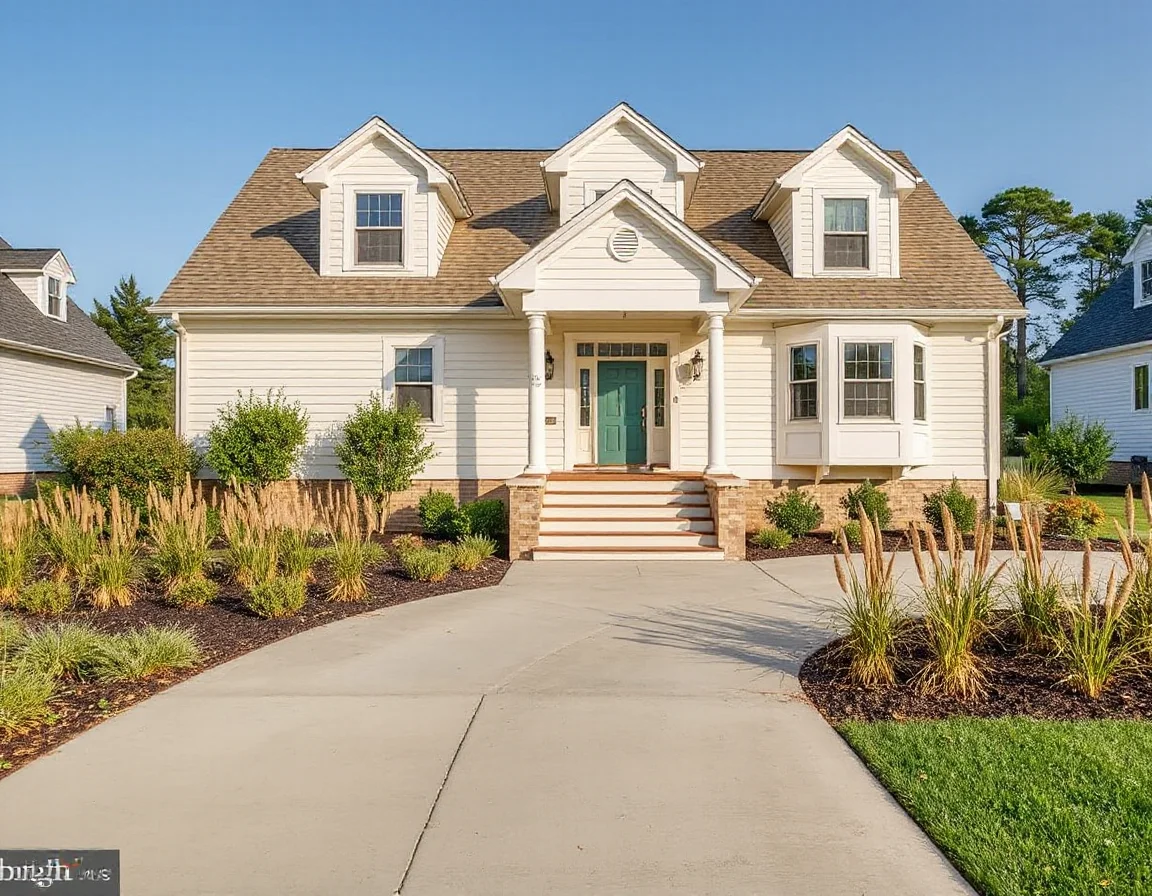
A seller does not need to treat a flood designation as a reason to underprice a well-positioned home. Instead, the listing strategy should reflect the facts. If a property has a favorable elevation certificate, transferable policy information where applicable, an elevated HVAC system, documented improvements, or a competitive insurance estimate, those details may help buyers evaluate the home with greater confidence. Clear, accurate information is often more useful than broad reassurance.
At the same time, buyers should avoid assuming that a lower list price automatically offsets higher ongoing costs. Comparing properties side by side with estimated principal, interest, taxes, insurance, association fees, utility costs, and anticipated maintenance can reveal a more complete affordability picture. A home with a stronger price may still offer competitive value if it has lower insurance costs, newer systems, or improvements that reduce near-term projects.
Comparable sales require context, too. The best comparison is not merely the closest property or the one with the same number of bedrooms. A useful pricing analysis considers condition, elevation-related features, proximity to water, lot setting, age, renovation level, and the market response each property received. In a coastal area, details that might seem technical can shape a buyer’s comfort level and therefore affect negotiation dynamics.
When comparing Lewes homes, add insurance estimates and mitigation records to the same worksheet as taxes, association fees, condition, and recent comparable sales.
A practical plan for buyers and sellers
Buyers can move forward confidently by building flood and insurance research into the earliest stages of the search. Identify the preferred location, ask for map and elevation information when a home becomes a serious candidate, and consult an insurance professional before removing contingencies. This approach keeps the decision grounded in documented facts rather than online assumptions or generalized advice.
Sellers can prepare by gathering records before photography and marketing begin. An organized information package helps answer questions promptly and gives prospective buyers a clearer view of the property’s ownership profile. If improvements have been made after a storm event or to improve drainage, keep invoices, permits, and photos available. Accurate presentation matters: describe features and documents without making promises about future weather, insurance availability, or flood outcomes.
Whether you are considering a historic residence near the center of town, a newer coastal home, or a property near the water, the goal is the same: understand the numbers and the features before making a major decision. With current records, careful insurance review, and a pricing strategy built around comparable properties, flood-zone questions become manageable parts of a well-informed Lewes real estate plan.