
Ocean City offers a coastal routine built around the boardwalk, public parks, open-water views, and an unusually broad choice of dining experiences. Whether you are considering a beach property, a year-round residence, or an investment purchase, understanding how each part of town connects to daily life can help you evaluate the right fit with more confidence.
A Coastal Routine Centered on the Boardwalk
Ocean City, Maryland, is often recognized for its Atlantic shoreline, but daily life here extends far beyond a single beach day. The town’s roughly three-mile Boardwalk creates a highly visible connection between the inlet area and the northern end of the classic oceanfront district. It is a place for morning walks, bike rides during designated hours, arcade stops, public events, and an easy route to the beach access points that line the ocean side of town.
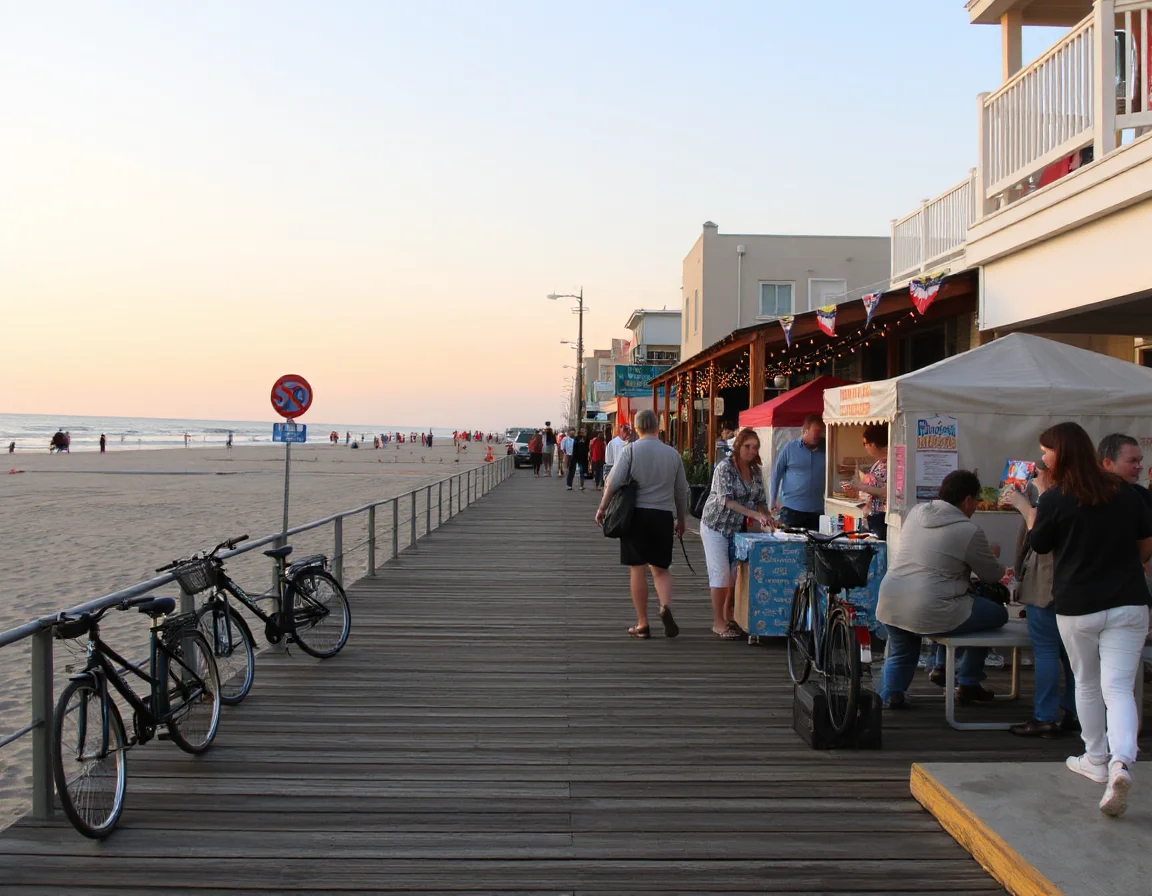
For property owners, the Boardwalk is more than a visitor attraction—it is a practical geographic reference point. Oceanfront condos place the beach and pedestrian activity directly outside, while bayside, midtown, and north-end properties can offer different access patterns, views, parking arrangements, and building amenities. A few blocks can make a meaningful difference in how often you use the sand, whether you prefer a quieter residential street, and how you plan to get around during busier seasons.
The southern end near the inlet brings together beach access, fishing views, public gathering spaces, and the energy of the historic resort core. Farther north, the streets become more residential in feel while remaining connected by Coastal Highway, public transportation, and numerous crosswalks. Ocean City’s compact barrier-island geography means that the ocean is generally on one side and the bay is on the other, giving many locations access to water views, breezes, and sunset-facing outdoor spaces.
When comparing Ocean City properties, look beyond distance to the beach. Building rules, parking allocations, rental policies, elevator access, flood insurance considerations, and orientation toward the ocean or bay can have an equally large effect on day-to-day ownership.
Seasonality is part of the local rhythm. Summer brings the fullest calendar of outdoor activity, while spring and fall often make it easier to explore the Boardwalk, parks, and dining destinations at a slower pace. Year-round residents and second-home owners can use the shoulder seasons to experience a different side of the town: cooler walks by the water, local events, and less crowded public spaces. This changing pace is one reason buyers often benefit from visiting at more than one time of year before making a decision.
Parks, Bayside Space, and Outdoor Recreation
Ocean City’s public outdoor spaces give residents and visitors options beyond the Atlantic beach. Northside Park, near 125th Street on the bayside, is one of the town’s major recreation areas. Its grounds include walking paths, athletic fields, open lawn, a playground area, piers, and bay views. Throughout the year, the park hosts community programming and seasonal displays that bring activity to the north end of the island.

The bay is a defining feature of the Ocean City landscape. Public marinas, launch points, and waterfront areas support boating, paddle sports, fishing, and sunset viewing, subject to local conditions and regulations. From the west side of the island, the water often becomes a daily backdrop rather than an occasional destination. Buyers interested in bayside condominiums or homes may want to ask about dock access, boat slips, marina agreements, water depth, and any associated fees before assuming a property supports a particular use.
Just south of town, Assateague Island National Seashore offers protected dunes, maritime forests, beaches, and nature trails. It is an easy addition to a weekend itinerary for anyone who wants a more natural coastal setting close to Ocean City’s amenities. Nearby West Ocean City also expands the map with marinas, waterfront activity, and road connections toward Berlin and other parts of Worcester County.
Outdoor access can shape a home search in practical ways. A property near a park may appeal because of a walking route or open view, while a condominium with a bay-facing balcony may offer a different way to enjoy the setting. Rather than treating all water-adjacent addresses as interchangeable, it helps to visit at different times of day, observe wind and traffic patterns, and understand what is public space versus private building property.
Ocean City’s east-to-west width is narrow, but the ownership experience can vary widely between oceanfront, bayside, canal-front, and inland-facing locations. Viewing a property at sunset and again during a busy daytime period can reveal useful details.
Explore available coastal properties
Dining and Everyday Conveniences Across Town
Dining is woven into Ocean City’s geography. The Boardwalk area is known for casual coastal favorites and quick stops between beach activities, while bayside and midtown locations offer waterfront meals, seafood-focused menus, and outdoor seating in many seasons. North Ocean City adds another cluster of choices near condo communities, parks, and the Delaware line. The variety makes it possible to build an evening around a sunset view, a walk by the ocean, or a short drive from home.
For day-to-day needs, Coastal Highway serves as the main north-south corridor, with grocery options, pharmacies, service businesses, fitness facilities, and other practical destinations spread along its length. Public transportation and seasonal tram service can reduce the need to drive in certain areas, though parking and travel time should still be part of a property evaluation. Ocean City’s layout rewards buyers who think about their own routines: where they expect to buy groceries, park a vehicle, meet guests, access the beach, or store recreational equipment.
The nearby towns add useful options as well. West Ocean City provides access to additional marinas and services, while Berlin offers a historic small-town setting with local dining and cultural events. North of the Maryland line, Delaware beach communities such as Fenwick Island and Bethany Beach broaden the regional mix of coastal destinations. This interconnected shoreline region gives homeowners a range of places to explore without requiring a long trip inland.
What to Consider Before Buying or Selling in Ocean City
Ocean City real estate includes oceanfront condominiums, bayside units, townhomes, single-family homes, and properties used as vacation rentals or second homes. Because inventory can span different building ages, fee structures, rental rules, and flood-zone considerations, the most helpful comparison is rarely just price per square foot. Review condominium documents, reserve information when available, rental restrictions, insurance requirements, utility responsibilities, and the condition of shared systems such as roofs, elevators, decks, and parking areas.
Sellers can make a stronger first impression by emphasizing the property’s genuine advantages with clear, current information. A well-staged balcony, an organized storage area for beach equipment, documented building amenities, and straightforward details about parking or rental history can help prospective buyers understand how the home functions. For buyers, a careful review of the same details can help separate a beautiful view from a complete ownership picture.
Living in Ocean City is ultimately about choosing the version of coastal life that best matches your priorities: Boardwalk proximity, a bayside sunset, a park nearby, a marina connection, or a home base for exploring the Maryland and Delaware beaches. With an informed search and a close look at the details behind each listing, the town’s many options become easier to compare.