
A condo fee is more than a monthly line item: it is a window into how a building is maintained, insured, and planned for over time. Before making an offer in Ocean City, review the budget, reserve funding, insurance details, and community rules so the property’s full cost and day-to-day use are clear.
Start With the Full Monthly Picture
Ocean City condo ownership can put the beach, boardwalk activity, bayside views, and coastal recreation close at hand, but the purchase price is only one part of the financial picture. A condominium fee typically supports shared expenses for the building or community, and the amount can vary significantly based on the property’s age, services, amenities, insurance needs, and maintenance schedule. Looking beyond the headline fee helps buyers compare residences on a more complete basis.
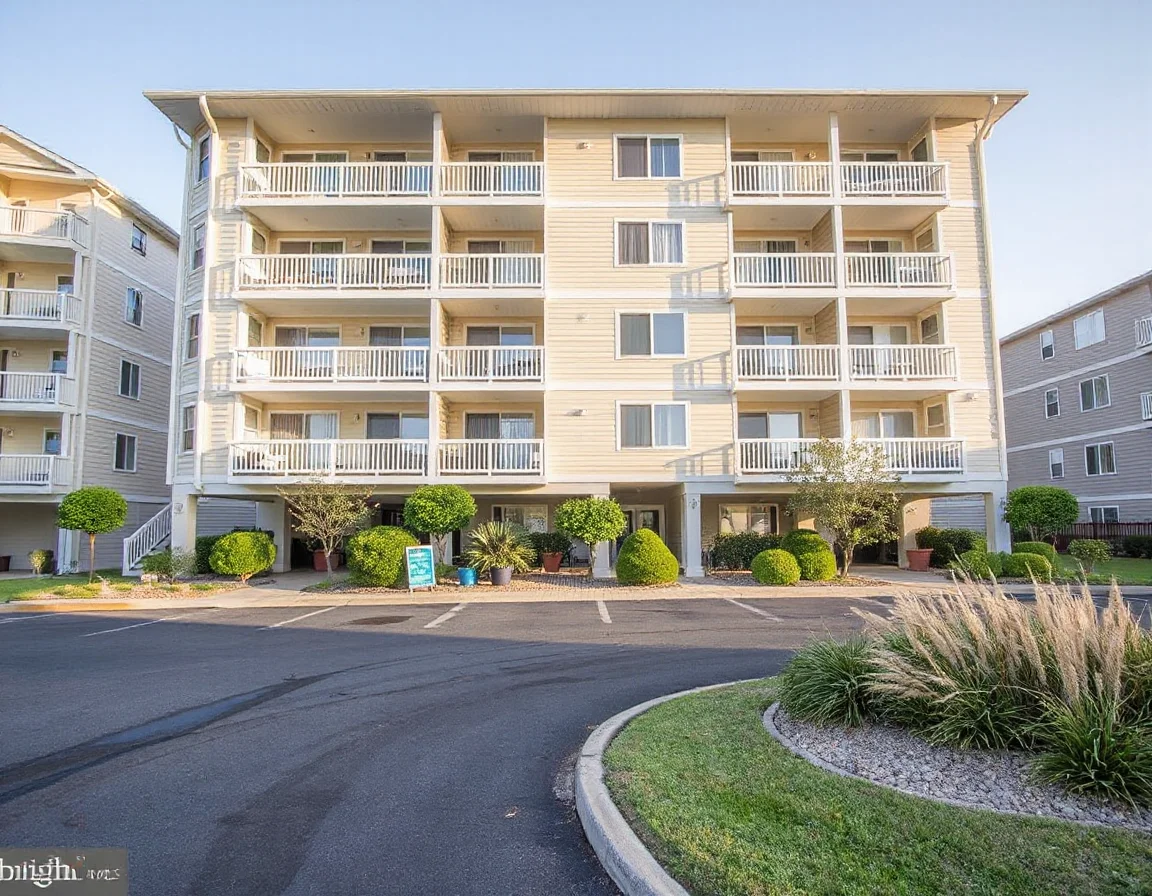
Depending on the association, the monthly or quarterly assessment may cover items such as building insurance, water, sewer, trash service, exterior maintenance, landscaping, elevator service, master flood coverage where applicable, management, security features, pool care, or common-area utilities. Other expenses may remain the owner’s responsibility, including electricity, internet service, interior insurance, property taxes, and repairs within the unit. Ask for an itemized understanding of what is included rather than assuming that two similar-looking buildings deliver the same value.
It is also useful to consider the fee in relation to the building itself. A lower assessment may be appealing at first glance, yet it can reflect fewer included services, deferred work, limited reserves, or a self-managed association with different operating practices. A higher assessment is not automatically a concern either; it may account for a staffed lobby, elevators, extensive insurance costs, large common areas, or recently completed capital work. The key is whether the budget aligns with the property’s actual needs.
When comparing Ocean City condos, add the association fee, property taxes, estimated insurance, utilities, and any recurring parking or amenity charges to the monthly housing estimate—not just the mortgage payment.
Request the current budget and, if available, prior-year financial statements. These documents can show how much income the association collects, where it is spent, whether accounts are operating at a surplus or deficit, and whether owners are behind on assessments. Delinquency rates matter because unpaid assessments can strain the association’s cash flow and may affect financing options for certain buyers. A lender, attorney, title professional, and real estate professional can help identify documents that deserve closer review for a particular transaction.
Why Reserves Matter Along the Coast
Reserve funds are savings set aside for significant future repairs and replacements. In a condominium setting, these can include roofing, siding, walkways, elevators, decks, railings, paving, mechanical systems, seawall-related components where relevant, and other shared property elements. Coastal weather, salt air, wind, moisture, and seasonal use can all influence the maintenance demands of buildings near the ocean or bay.

A healthy reserve balance does not guarantee that every future repair is covered, but it gives an association greater flexibility when major work becomes necessary. Without adequate savings, owners may face a special assessment, a loan taken out by the association, an increase in regular dues, or some combination of those approaches. None of these outcomes is inherently unusual; large building projects are costly. The important question is whether the association has a transparent plan for maintaining the property.
Ask whether a reserve study has been completed and when it was last updated. A reserve study generally evaluates common elements, estimates useful life, and projects future replacement costs. It is a planning tool, not a promise, but it can make the association’s financial approach easier to understand. Review recent meeting minutes as well. Discussions about leaks, structural projects, contractor bids, insurance renewals, elevator repairs, balcony work, or pending assessments can provide context that may not be obvious from a single budget page.
For a building with active projects, clarify what has already been approved, what has been paid, and what remains to be funded. Find out whether a special assessment is proposed, underway, or paid in installments. If a seller has agreed to pay an assessment at closing, make sure the contract language clearly addresses timing and responsibility. Careful review is especially important in a resort market, where a property’s rental history, building access, and seasonal maintenance schedule may affect how buyers evaluate the opportunity.
Meeting minutes often reveal the practical story behind the numbers: upcoming projects, contractor timelines, insurance discussions, and whether a reserve plan is being actively followed.
A review of insurance is another important step. The association’s master policy may cover specified common elements and parts of the structure, while an individual owner’s policy may be needed for personal property, liability, interior finishes, loss assessments, and gaps in coverage. Coverage requirements differ by association and insurer, so buyers should confirm the details with an insurance professional before the end of a contingency period. This is particularly valuable for coastal properties, where deductibles and coverage terms can have a meaningful effect on annual ownership costs.
Estimate your monthly homeownership costs
Read the Rules Before You Fall in Love With the View
Condominium rules shape how a home can be used, maintained, and enjoyed. These rules may address parking, pets, balconies, exterior alterations, storage, move-in procedures, noise policies, amenity access, grilling, rental terms, occupancy procedures, and the use of common spaces. There is no universal “standard” Ocean City condo rulebook, so each association deserves its own review.
Rental provisions are often a major point of consideration for buyers evaluating a beach property as an investment or as a residence with occasional rental plans. Associations may have minimum rental periods, registration requirements, management-company procedures, limits on certain forms of advertising, or rules governing guest access and parking. Local and state requirements can also apply. Obtain the current governing documents directly from the association and verify that the intended use is permitted before relying on projected rental income.
Pay attention to pet policies as well. Some communities have limits on the number, size, or types of pets, while others have registration and leash requirements for common areas. Any policy must be understood alongside applicable fair housing laws and reasonable-accommodation obligations. Similarly, parking rules can be particularly important in a destination area. Confirm the number of assigned or permitted spaces, guest-parking procedures, vehicle restrictions, and whether parking is deeded, assigned, leased, or first-available.
Reviewing documents early creates time for useful questions. Ask how rules are enforced, whether applications are required before leasing or moving in, and whether there are pending amendments. It can also be helpful to learn how the board communicates with owners and how maintenance requests are handled. A professionally managed association may have one process, while a smaller self-managed building may have another; neither format is automatically better, but clear communication and organized records are valuable signs.
Finally, use the resale package, financial records, governing documents, insurance information, and property disclosures as a decision-making set rather than isolated papers. The right condo is not simply the one with the lowest fee or the largest balcony. It is the one whose costs, condition, rules, and long-term maintenance approach make sense for your goals. Taking time to investigate these details can help you move from a promising showing to a well-informed offer with greater confidence.