
Buying a first home in Sussex County is more manageable when the process is broken into clear decisions: budget, financing, location, condition, and contract terms. From coastal communities to inland towns, the county offers a broad range of property types, but preparation matters in a market where insurance, HOA rules, and seasonal activity can affect the total cost of ownership. Start with the numbers, then let your day-to-day priorities guide the search.
Start with a realistic Sussex County budget
Your first home search should begin before the first showing. A purchase budget is more than a target price; it is the monthly amount that feels sustainable after accounting for principal and interest, property taxes, homeowners insurance, utilities, maintenance, and any condo or homeowners association fees. In Sussex County, those costs can vary noticeably from one property to another, especially near the coast or in communities with shared amenities.
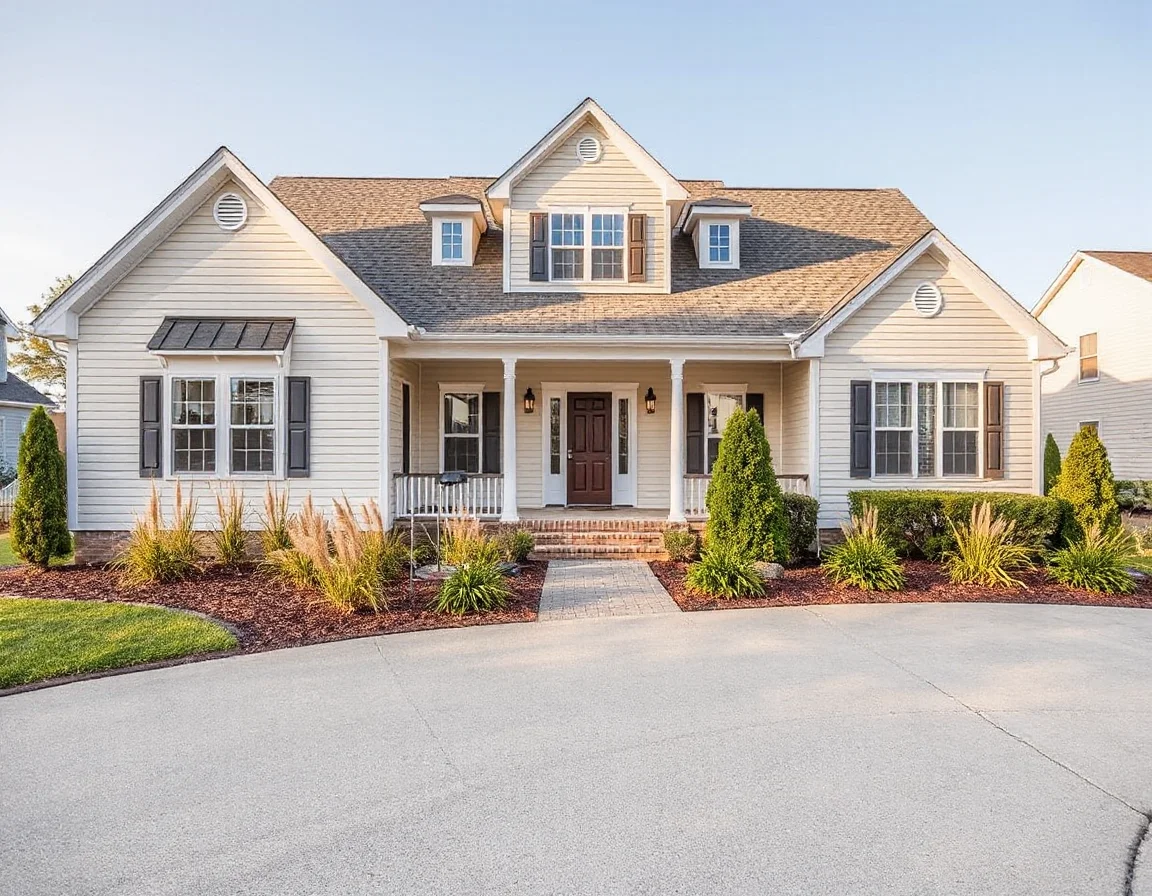
Get pre-approved rather than relying only on an online estimate. A lender can review income, assets, credit, debts, and loan options to provide a more useful working range. Ask for side-by-side payment scenarios at several purchase prices, including estimated taxes and insurance. That comparison helps you see whether a lower-priced property with a large HOA fee may cost as much per month as a higher-priced home without one.
It is also wise to preserve funds beyond the down payment. Closing costs, inspection expenses, appraisal fees, moving costs, and early repairs can arrive quickly. A home does not need to be perfect on day one, but having a reserve lets you address priority items without turning every small project into a financial surprise.
For coastal and near-coastal properties, ask for early insurance estimates before writing an offer. Flood zone, elevation, construction details, and distance from water can influence the ownership budget.
Mortgage programs may offer different down-payment structures, credit guidelines, and mortgage-insurance requirements. Rather than choosing based on a single advertised rate, compare the full loan estimate, cash needed to close, and long-term monthly payment. The right fit is the financing plan that supports both the purchase and the rest of your financial goals.
Estimate your monthly home payment
Choose an area by everyday logistics, not just a map pin
Sussex County includes beach communities, established towns, new construction neighborhoods, rural roads, and properties close to bays, marinas, parks, and major routes. Rehoboth Beach, Lewes, Dewey Beach, Bethany Beach, Fenwick Island, Ocean View, Selbyville, Milton, Frankford, and Milford each offer distinct housing patterns and access points. The most useful comparison is the one that matches your own routine.
Visit prospective areas at more than one time of day. Notice travel time to work or regular destinations, parking patterns, road access, nearby recreation, grocery options, medical services, and the general pace of activity. In beach markets, a route that feels quick in one season may take longer when visitor traffic is heavier. For an inland property, consider road lighting, drainage, lot maintenance, and distance to the services you use most often.

Think about property type, too. A condominium can simplify some exterior responsibilities, but association dues, reserve funding, rental policies, and rules deserve careful review. A detached home may offer more control over improvements, along with more direct responsibility for the roof, landscaping, systems, and exterior maintenance. New construction can provide modern systems and warranties, while established homes may offer mature landscaping and a more immediate sense of the property’s long-term condition.
Coastal property searches benefit from a close look at practical details that do not always appear in listing photos. Ask about flood insurance, wind coverage, foundation type, crawlspace condition, drainage, stormwater management, and whether the property has been elevated or renovated. These are not reasons to avoid a home; they are details to understand before deciding what the home is worth to you.
A showing is the beginning of due diligence, not the finish line. Written disclosures, association documents, insurance quotes, and inspection findings create the clearer picture.
Explore Sussex County and nearby coastal areas
Build a search strategy that keeps decisions clear
First-time buyers often see a wide range of properties online and feel pressure to react quickly. A better approach is to create three lists: non-negotiables, strong preferences, and future projects. Non-negotiables might include a workable payment, a certain number of bedrooms, a location radius, or a property type. Preferences can include a porch, garage, updated kitchen, or water access. Future projects are items that could be changed after closing, such as paint, flooring, fixtures, or landscaping.
This framework prevents cosmetic details from overshadowing important structural questions. Fresh staging can make a room feel inviting, but it cannot replace a sound roof, functioning HVAC system, acceptable drainage, or a layout that supports how you use the home. Conversely, an outdated color palette may be an easy update when the location, condition, and overall budget are right.
When a property rises to the top of your list, compare it with recent nearby sales and competing listings rather than focusing only on the asking price. Your offer can include terms beyond price, such as inspection contingencies, financing terms, settlement timing, requested seller contributions where appropriate, and personal-property details. The strongest offer is not automatically the highest number; it is a complete offer with terms you can confidently meet.
Use inspections and documents to understand the home
Once an offer is accepted, the due-diligence period is your opportunity to learn how the property works. A professional home inspection commonly reviews visible and accessible components, including structure, roofing, electrical systems, plumbing, heating and cooling, appliances, and more. Depending on the property, additional evaluations for wood-destroying insects, septic systems, wells, radon, mold, pools, or specialized repairs may be appropriate.
Expect an inspection report to contain a list of observations. Even well-maintained homes can have maintenance recommendations. Focus first on health and safety concerns, significant defects, water intrusion, major systems near the end of useful life, and repairs that materially affect the property’s function. Discuss the findings with qualified professionals and decide whether to proceed, negotiate, request repairs, or revise your plan based on the contract options available.
If the home is part of an association, read the governing documents carefully. Review the current fee, budget, reserves, restrictions, rental provisions, exterior-maintenance responsibilities, parking rules, and any pending assessments. These documents help clarify both monthly expenses and the practical expectations of ownership.
Prepare for closing and the first year of ownership
As settlement approaches, avoid major changes that could affect financing, such as opening new credit accounts, financing furniture, changing jobs without consulting the lender, or making unusually large purchases. Keep documents organized, respond promptly to lender requests, and review the closing disclosure in advance so the final figures are familiar before signing day.
After closing, take a measured approach to improvements. Change locks or access codes, locate shutoff valves and electrical panels, set up utilities, create a maintenance calendar, and keep copies of warranties and service records. Prioritizing preventative care—such as HVAC servicing, gutter cleaning, caulking, and monitoring drainage—can protect both comfort and long-term value.
Buying your first Sussex County home is not about finding a flawless property or predicting every future market shift. It is about making an informed decision with a payment, location, and condition profile that work for you. With careful financing, thoughtful research, and a disciplined inspection process, you can move from browsing listings to owning a home with greater confidence.