
Buying near the coast comes with a few extra moving parts, but they become manageable when you know the questions to ask early. From inspection findings and flood-zone details to lender fees and settlement charges, a clear plan can help you evaluate a Bethany Beach property with fewer last-minute surprises. The goal is not to eliminate every unknown—it is to make informed decisions before closing day.
Start With a Coastal-Smart Inspection Plan
A home inspection is one of the most useful fact-finding steps in a Bethany Beach purchase. Coastal properties experience salt air, humidity, wind, heavy rain, and seasonal temperature changes, all of which can affect exterior materials and mechanical systems over time. A general home inspection can offer a broad look at the property’s condition, but it is also important to understand its limits. Inspectors evaluate visible and accessible components; they do not guarantee future performance or uncover every concealed condition.
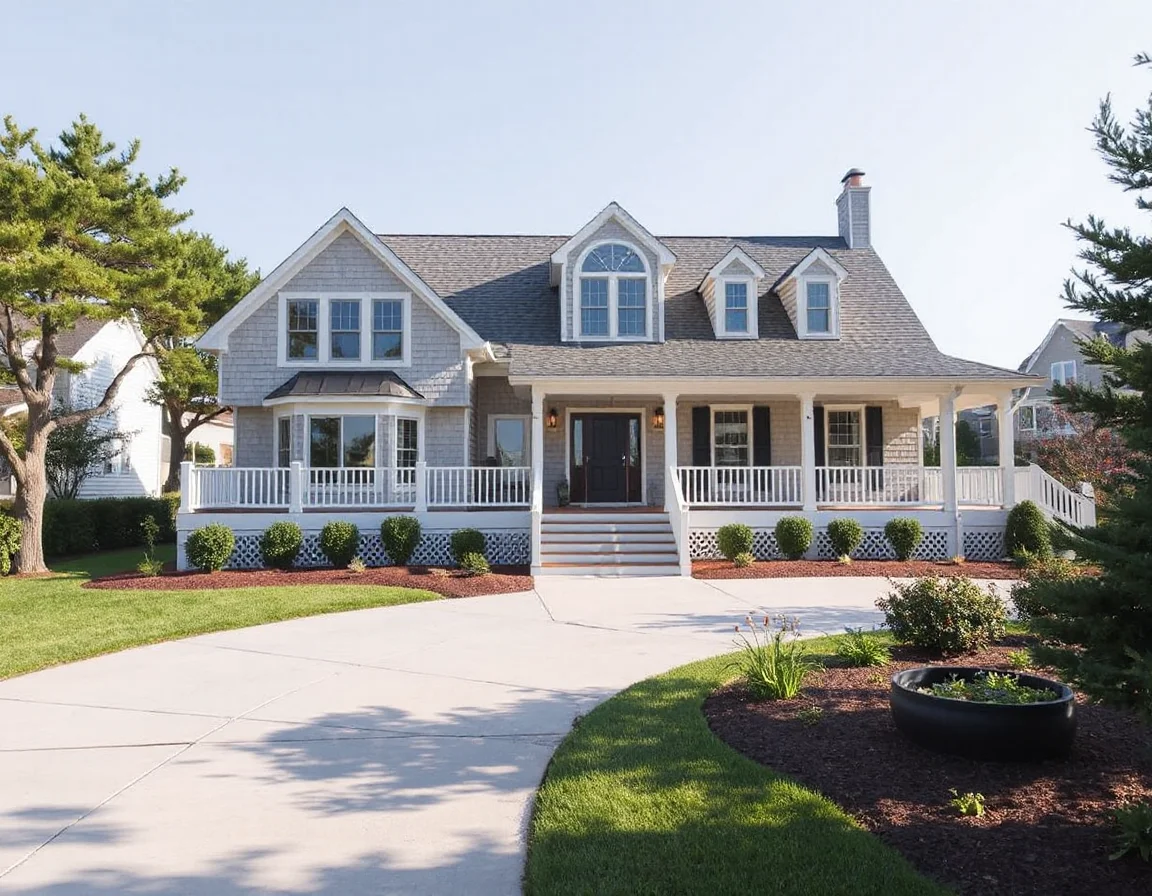
For a property near the water, buyers often consider whether additional specialist evaluations would be helpful. Depending on the home and the inspection findings, those may include a roof review, HVAC assessment, pest inspection, moisture or mold evaluation, chimney review, sewer-scope inspection, or an assessment of decks, railings, stairs, and elevated structural elements. A property with a crawl space, for example, may warrant particular attention to drainage, vapor barriers, ventilation, insulation, and signs of moisture.
It is wise to attend the inspection whenever possible. Walking through the home with the inspector can turn a lengthy report into a practical conversation about priorities. Ask which items are routine maintenance, which should be addressed soon, and which conditions may deserve further review by a qualified contractor. Photos in a report are useful, but they rarely communicate the scale, location, or practical implications of an issue as clearly as an on-site discussion.
A strong inspection strategy separates routine coastal upkeep from conditions that could affect your budget, financing, insurance options, or comfort after closing.
Not every note in an inspection report should be treated the same way. Coastal homes often need regular caulking, painting, fastener replacement, deck maintenance, gutter care, and HVAC servicing. Those items can be part of normal ownership. More significant concerns may involve active water intrusion, structural movement, electrical safety issues, aging major systems, or drainage that directs water toward the home. Your agent, lender, inspector, and any relevant specialists can help you organize the next steps within the timelines in your contract.
Inspection negotiations are most productive when they are focused and evidence-based. Rather than trying to resolve every cosmetic imperfection, buyers can prioritize material conditions, safety considerations, and items that were not reasonably apparent during earlier viewings. Available remedies may vary by transaction, but they can include repairs, a credit, a price adjustment, or a decision to move forward without changes. The right approach depends on the property, the market, the seller’s response, and your own plans for the home.
Understand Flood Insurance Before the Final Week
Flood insurance is a separate conversation from a standard homeowners insurance policy, and it deserves attention early in the purchase process. In many cases, a lender will require flood insurance when a property securing a federally regulated mortgage is located in a designated Special Flood Hazard Area. Even when it is not required by a lender, buyers may still choose to explore coverage based on the property’s location, elevation, prior claims information, and personal risk tolerance.
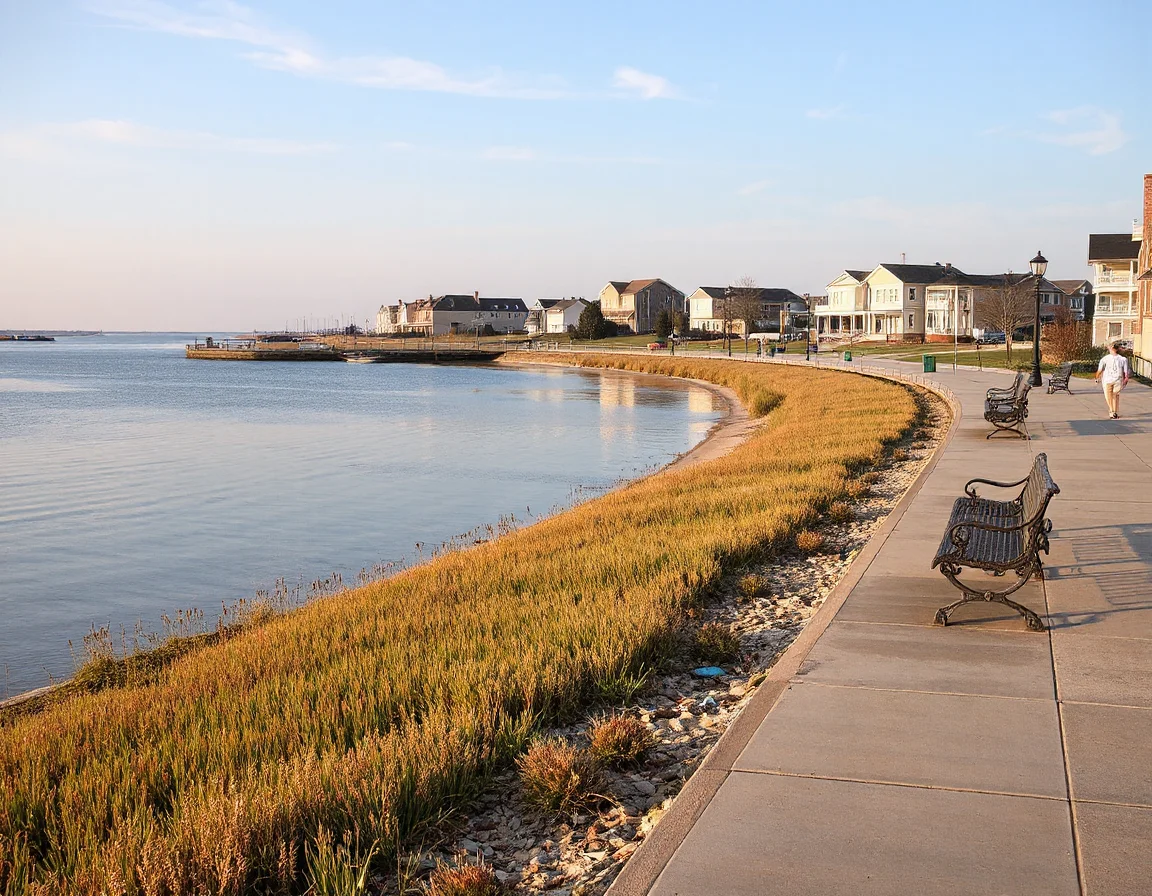
Start by asking for the property’s flood-zone information and then speak directly with an insurance professional about coverage options and estimated premiums. FEMA flood maps are a useful starting point, but they are only one piece of the picture. An elevation certificate, if available, may provide valuable information for rating certain policies. The type of foundation, finished areas below the lowest elevated floor, utility placement, prior improvements, and policy history can also affect the conversation.
Flood coverage can be available through the National Flood Insurance Program and, in some circumstances, through private insurers. Policy terms, limits, deductibles, waiting periods, and coverage details can differ, so comparing options is important. Do not assume that coverage for the structure automatically includes the same level of protection for personal property, temporary living costs, outdoor features, or improvements below an elevated living area. Read the proposed policy carefully and ask questions about what is and is not covered.
Insurance timing matters. Your lender will generally need proof of required coverage before closing, and an insurer may need time to review the property details and issue a policy. Beginning this process shortly after contract acceptance gives you more room to compare quotes and address questions. It also allows you to incorporate the expected premium into your overall monthly housing budget instead of treating it as an unexpected closing-week expense.
Request flood-zone information, insurance quotes, and any available elevation documentation early enough to compare coverage instead of choosing under deadline pressure.
It can also be useful to ask the seller about their experience maintaining the property, including drainage improvements, sump pumps, dehumidifiers, storm shutters, roof updates, and any prior water-related repairs. Seller disclosures and conversations are not replacements for professional inspections or insurance advice, but they can help you identify practical follow-up questions. A thorough review is especially valuable for homes near marshland, canals, bays, or other low-lying areas around the South Delaware Beaches.
Build a Closing-Cost Budget That Leaves Room to Breathe
Closing costs are the collection of fees and prepaid items needed to complete a purchase, and they can look different from one transaction to the next. Buyers commonly see lender charges, appraisal fees, title-related services, recording fees, settlement charges, prepaid interest, homeowners insurance premiums, tax escrows, and potentially flood insurance premiums. Cash needed at closing also includes the down payment, adjusted by earnest money already deposited and any negotiated seller credits.
Your lender’s Loan Estimate is an essential budgeting tool. It outlines projected loan terms, monthly payment components, and estimated closing costs shortly after application. Later, the Closing Disclosure provides the final numbers to review before settlement. Compare these documents carefully, especially if you have changed loan programs, locked an interest rate, received a credit, or made revisions to your purchase agreement. If a figure is unclear, ask the lender or settlement professional to explain it before closing day.
- Loan and appraisal costs: Charges connected to underwriting, credit, appraisal, and lender services may apply depending on the loan program.
- Title and settlement services: These can include title search, title insurance, settlement coordination, and document preparation.
- Prepaid and escrow items: Property taxes, homeowners insurance, mortgage insurance where applicable, and flood insurance can affect the amount due.
- Property-specific costs: Condo, HOA, or community transfer fees, resale certificates, and required deposits may be part of the transaction.
- Inspection and specialist reviews: These are often paid outside of closing but should still be included in the full purchase budget.
In Delaware, transfer-tax responsibilities and other settlement charges can be negotiated in the contract, subject to local practice and the terms both parties accept. Never rely on a broad rule of thumb alone. Ask for a transaction-specific estimate, review it with your lender and settlement team, and keep a reserve for moving, immediate repairs, utility setup, furnishings, and routine maintenance after possession.
If you are comparing multiple properties, use the same checklist for each one: purchase price, estimated payment, taxes, insurance, flood coverage, HOA or condo costs, anticipated repairs, and closing funds. This side-by-side view often makes a decision easier than comparing list prices alone. A home with a lower purchase price may carry different insurance, maintenance, or community expenses than another option.
Estimate your monthly home costs
Preparation does not take the uncertainty out of a real estate transaction, but it gives you a more reliable way to respond to it. With inspections scheduled promptly, flood insurance researched early, and closing figures reviewed line by line, you can approach a Bethany Beach closing with a grounded understanding of the property and your financial plan. The best next step is a conversation focused on the specific home, your financing, and the questions that matter most to you.