
Buying a first home in Frankford is easier to manage when the process is broken into clear decisions: confirm a comfortable budget, compare properties thoughtfully, protect the contract with inspections, and stay organized through closing. This guide walks through the practical steps from preapproval to keys, with special attention to the questions that matter in coastal Sussex County.
Start With a Budget That Works Beyond the Purchase Price
A first home purchase begins before a showing appointment. The most useful first step is a conversation with a lender about preapproval, which reviews income, assets, credit, and debt to estimate a borrowing range. A preapproval letter can help a buyer make a stronger, more informed offer, but it is not a reason to shop at the top of the range. The goal is to identify a monthly payment and cash-to-close amount that leave room for everyday expenses, savings, maintenance, and the realities of homeownership.
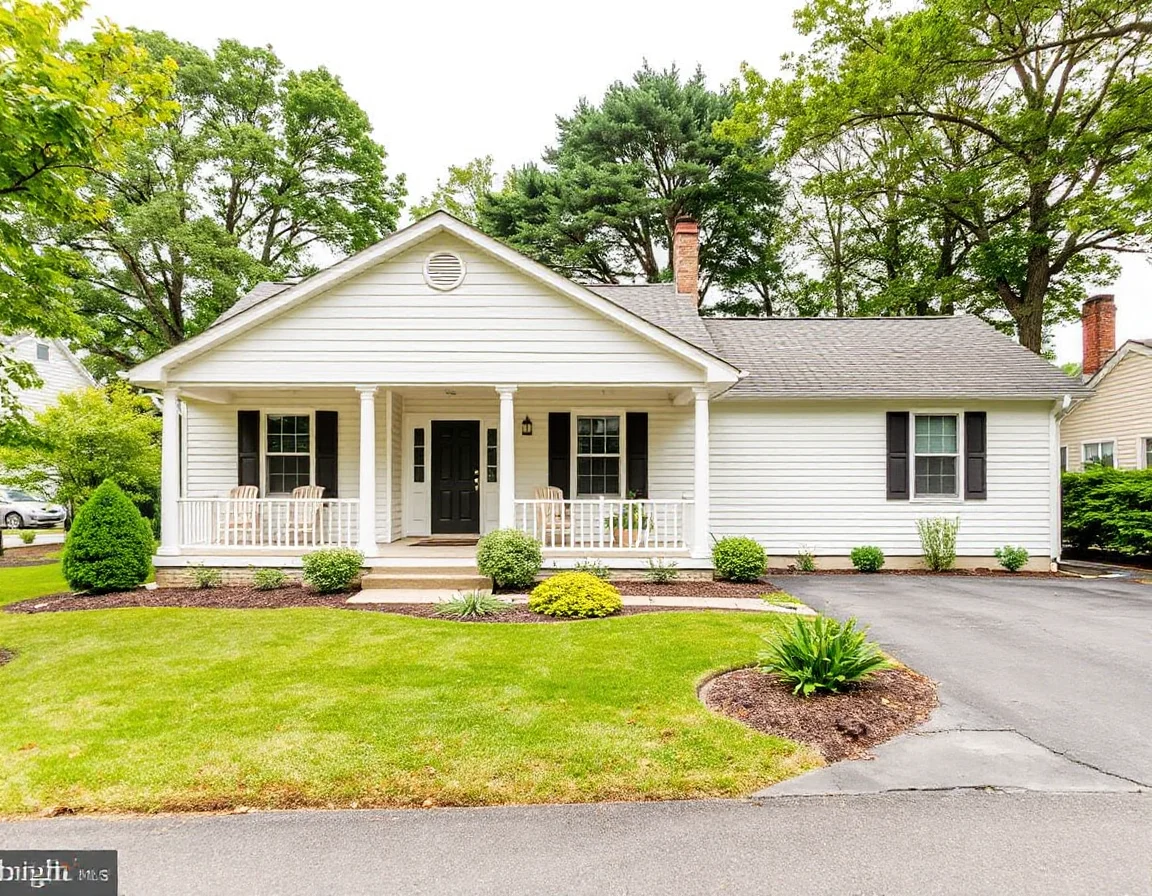
Ask the lender to explain the full estimated payment, not just principal and interest. Depending on the property and loan program, that estimate may include property taxes, homeowners insurance, private mortgage insurance, and, for some homes, condominium or homeowners association dues. If a home is located in an area where flood insurance is required by the lender, include that cost in the comparison as well. These details can materially change the monthly number.
It is also smart to plan for up-front costs. In addition to a down payment, buyers may need funds for earnest money, inspections, appraisal-related costs, lender charges, title services, prepaid taxes and insurance, and moving. Seller concessions, loan programs, and contract terms can affect the final figure, but the lender should provide a written estimate early enough for you to review it without rushing.
A preapproval gives you a buying range; a personal spending plan helps you choose the range that feels sustainable after closing.
Before touring homes, create three lists: essentials, preferences, and deal-breakers. Essentials might include location boundaries, a minimum number of rooms, a first-floor bedroom, a garage, or a defined budget. Preferences can be features such as a screened porch, updated kitchen, or extra storage. Deal-breakers are property conditions or costs that would make the home unsuitable for your plans. This framework keeps showings focused when attractive finishes or a memorable view compete with the practical needs of the purchase.
Estimate a monthly home payment
Tour Frankford Homes With a Consistent Checklist
Frankford offers access to inland Sussex County while remaining within reach of Delaware’s beach communities, so homes can vary widely in age, construction, lot size, community structure, and seasonal use. Compare each property with the same set of questions. Consider the condition of the roof, HVAC system, windows, plumbing, electrical panel, drainage, grading, and exterior materials. Note how the layout works day to day and whether storage, parking, outdoor space, and utility areas meet your needs.
When reviewing a listing, read the seller’s disclosure and any available documents carefully. If the property has an association, request the applicable rules, fees, financial documents, and information about pending assessments. For condominiums or planned communities, dues may cover certain services or amenities, but the scope differs from one community to another. Understanding the documents before an offer is accepted can prevent surprises later in the transaction.
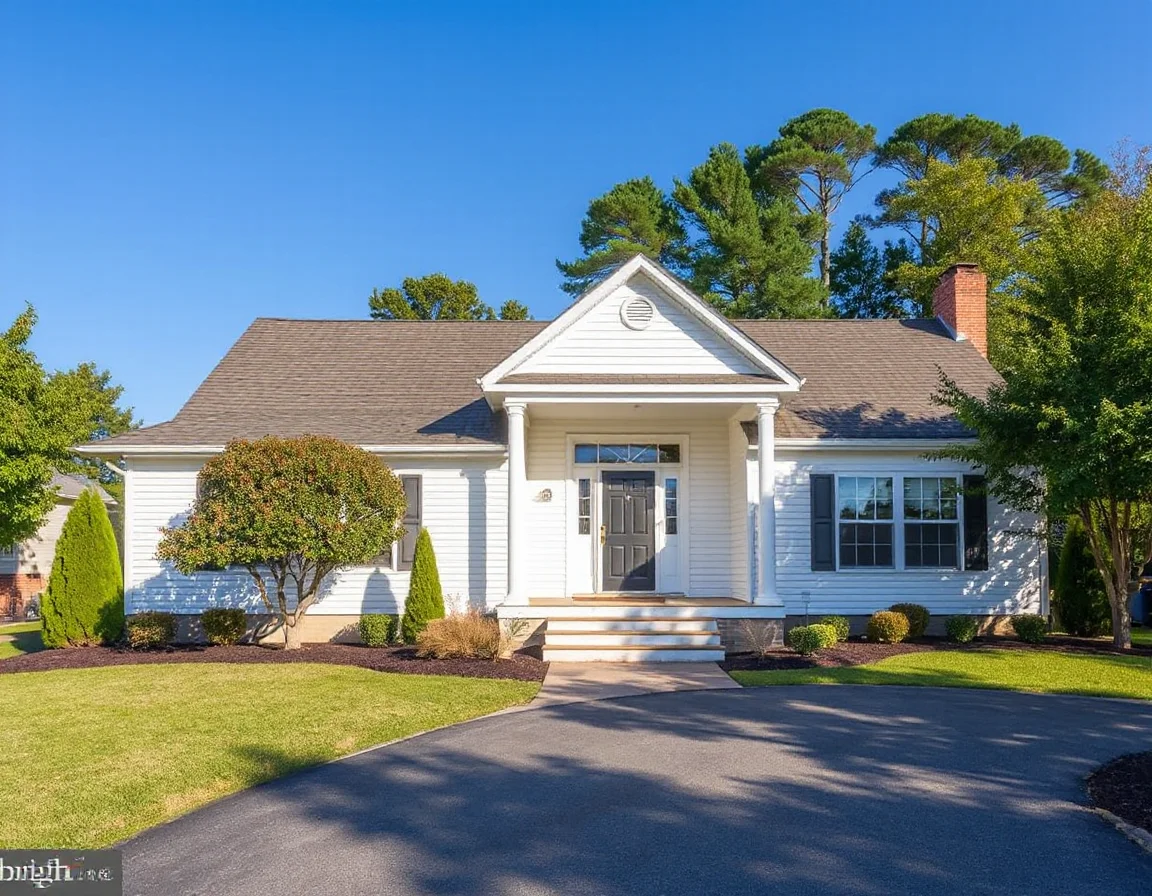
Location research deserves the same attention as the house itself. Look at travel routes, nearby services, public beach access options if that is relevant to your lifestyle, and the surroundings at different times of day. Buyers may also want to review flood-zone information, utility providers, internet availability, zoning considerations, and any future plans visible in public records. These are objective details that can affect ownership costs and everyday convenience.
In a competitive situation, an offer is more than the price. It can include earnest money, financing type, settlement timing, inspection contingencies, appraisal terms, requested seller contributions, and items that will remain with the property. A clear offer should be competitive without asking you to waive protections that you need in order to make a sound decision. Your agent and lender can help you understand how each term affects risk, cost, and timing.
The most useful showing notes are specific: system ages, association fees, repair observations, and questions to verify—not simply whether a room looked good in the moment.
Move From Contract to Closing With Fewer Surprises
Once an offer is accepted, the transaction enters its due-diligence phase. Your lender moves forward with underwriting, the property is typically appraised, and inspections may be scheduled according to the contract. A general home inspection gives buyers a professional assessment of visible and accessible components, but it is not a warranty. Depending on the home and the inspector’s findings, additional evaluations for items such as pests, wells, septic systems, structural concerns, or HVAC equipment may be appropriate.
Inspection results are information, not automatically a list of demands. Some findings are routine maintenance, while others may involve safety, function, or significant expense. Review the report carefully, ask questions, and decide which issues matter most. If the contract allows negotiations, focus requests on well-supported concerns and keep the deadlines in mind. A calm, documented approach is usually more productive than reacting to every notation in a lengthy report.
The appraisal serves a different purpose. The lender orders it to help confirm the property’s value for the loan. If the appraisal comes in below the contract price, the buyer, seller, lender, and agents may need to consider options such as a price adjustment, an appraisal review, additional cash from the buyer, or ending the contract if permitted by the agreed terms. Avoid making financial changes during underwriting, including opening new credit accounts, moving large unexplained deposits, or changing employment without first discussing it with the lender.
As settlement approaches, review your Closing Disclosure as soon as it arrives. Compare its loan terms, estimated cash to close, prepaid items, and credits with prior estimates. Confirm how funds must be delivered, arrange insurance if required, and keep identification and requested documents ready. A final walkthrough shortly before closing is generally an opportunity to confirm the property’s condition, agreed repairs, and included items—not another inspection.
Build a Team and Keep the Process Moving
First-time buyers do not need to memorize every form or anticipate every question alone. A responsive lender, a knowledgeable real estate professional, qualified inspectors, and a settlement team each have a role in helping the transaction move forward. Keep a dedicated folder for disclosures, receipts, inspection reports, lender requests, and timelines. Reply promptly when documents are requested, but read them carefully and ask for clarification whenever a term is unfamiliar.
After closing, save your final documents, update utility accounts, and begin a simple maintenance calendar for filters, gutters, exterior checks, and major systems. Ownership is a long-term relationship with the property, and a strong start comes from informed decisions rather than a perfect house. With a clear budget, thoughtful due diligence, and steady communication, buyers can approach a Frankford purchase with greater confidence from the first lender call to settlement day.