
Buying near the coast comes with valuable due-diligence steps that deserve attention long before closing day. A clear inspection plan, a careful flood-zone review, and a realistic closing-cost estimate can help you evaluate a Rehoboth Beach property with confidence and fewer last-minute surprises. The goal is not to eliminate every unknown—it is to understand the home, the site, and the numbers well enough to make informed decisions.
Start with a Coastal-Smart Inspection Plan
A home inspection is one of the most useful checkpoints in a Rehoboth Beach purchase. It offers a structured look at visible and accessible components of the property, including the roof, exterior, foundation, electrical system, plumbing, heating and cooling equipment, attic, appliances, and interior finishes. In a coastal setting, the inspection conversation should also account for salt air, wind-driven rain, humidity, drainage, and the way a home has been maintained through changing seasons.
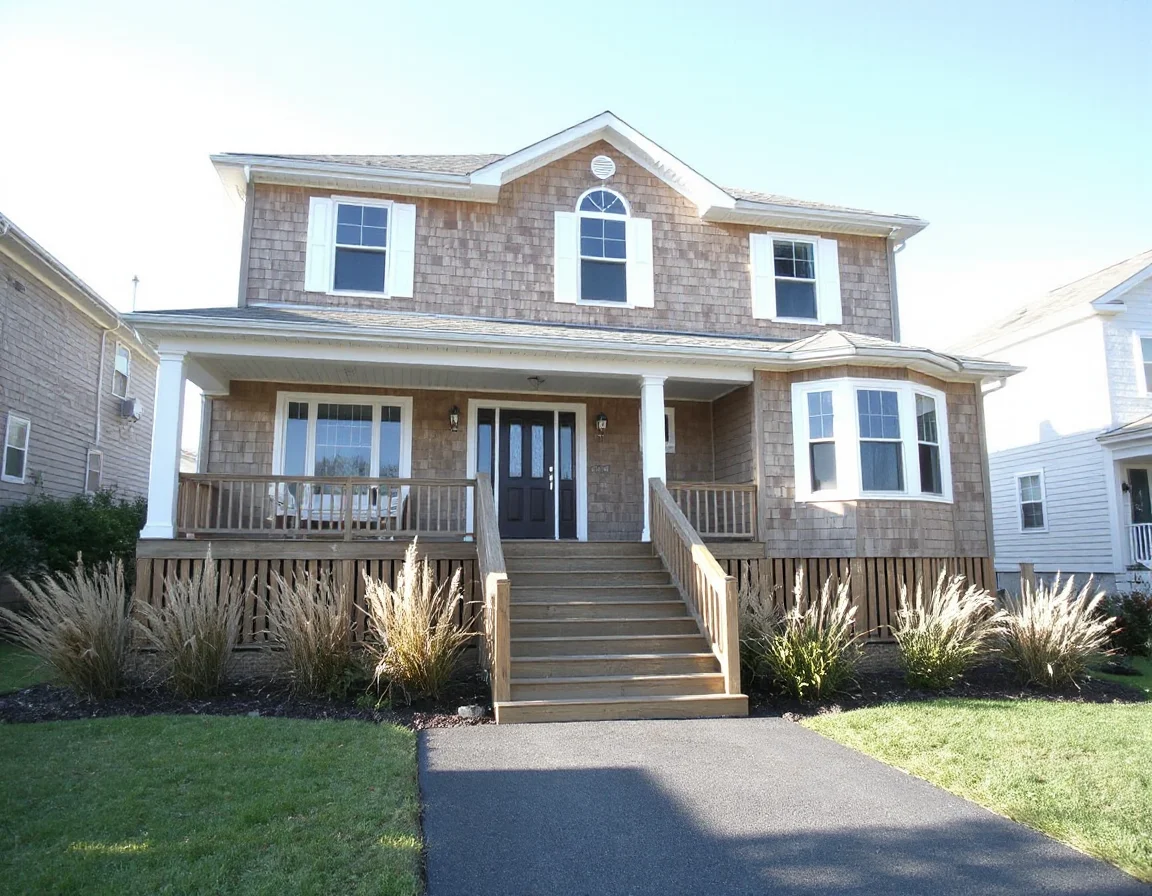
Think beyond the standard checklist. Ask the inspector to explain the age and apparent condition of major systems, not simply whether they are operating during the appointment. A roof nearing the end of its expected service life, older windows with moisture between panes, or corrosion around exterior hardware may affect budgeting even if the home is currently functional. For properties with crawlspaces, attention to ventilation, insulation, vapor barriers, standing water, and signs of moisture is especially worthwhile.
Depending on the home and contract terms, buyers may also choose specialized evaluations. Wood-destroying insect inspections, radon testing, septic inspections, well-water testing, mold assessments, chimney reviews, pool inspections, and structural evaluations can each answer a different question. A general home inspector may identify conditions that merit further review, while a licensed specialist can provide a more targeted opinion and, when needed, an estimate for repairs or maintenance.
Schedule inspections as early as the contract timeline allows. If follow-up specialists are needed, an early appointment leaves more room to gather information, review reports, and respond before contingency deadlines.
It is helpful to attend the inspection when possible. Walking through the property with the inspector can make a report far easier to understand later. Rather than focusing only on a list of defects, use the time to learn where shutoffs are located, how equipment is maintained, what seasonal tasks may be needed, and which items deserve prompt attention after settlement.
How Flood Zones Fit into the Buying Decision
Flood-zone research is a separate step from a home inspection, and it should begin early. Rehoboth Beach and the surrounding Delaware coast include properties with a wide range of flood exposures based on elevation, proximity to water, drainage patterns, and FEMA mapping. A property’s zone designation can influence flood insurance requirements, lender documentation, and the ongoing cost of ownership.
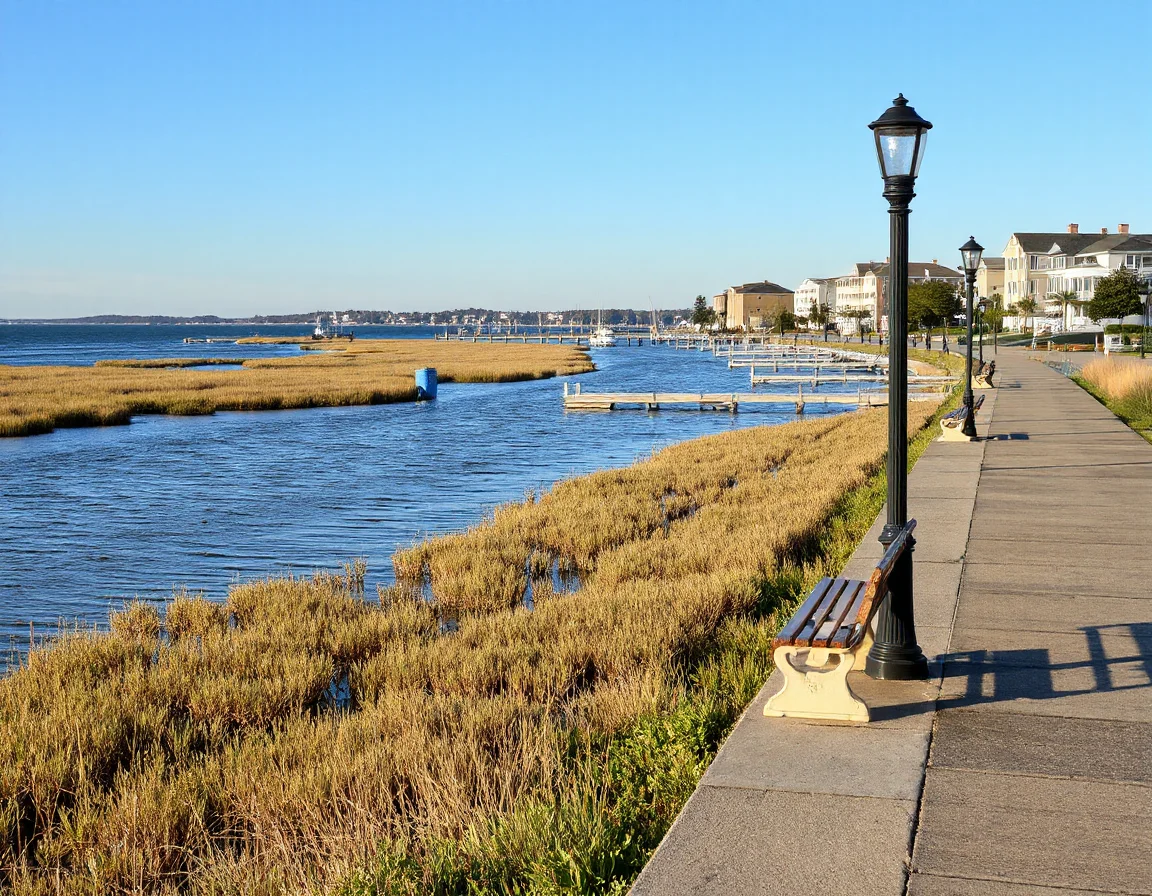
Start by reviewing the property’s flood-zone designation and asking whether the current owner carries flood insurance. If a lender requires coverage, the policy will generally need to be in place before closing. Even where coverage is not required, some buyers choose to explore it as part of their overall risk-management plan. Insurance availability, premiums, deductibles, coverage limits, and waiting periods can vary, so obtaining quotes from qualified insurance professionals is more useful than relying on assumptions.
Elevation documentation may matter as well. An elevation certificate, when available, can provide details about the structure’s elevation in relation to flood data and may be useful for insurance conversations. It is also worth asking about past water intrusion, drainage improvements, sump pumps, raised mechanical equipment, and any repairs completed after coastal storms. Seller disclosures and permit records can add context, though they should not replace independent review.
Flood maps are important tools, but they are not guarantees. Map updates, local drainage conditions, heavy rainfall, and coastal weather can all affect how water behaves around a particular property. During showings, look at grading, downspouts, gutters, exterior drains, driveway slopes, crawlspace access, and the condition of nearby drainage areas. These practical observations can help turn a broad map designation into a more complete picture of the site.
A flood-zone label is only one part of the equation. Insurance quotes, elevation information, drainage observations, and maintenance history together provide a more useful ownership-cost picture.
Build a Closing-Cost Estimate Before Making Final Decisions
Closing costs are the collection of transaction expenses paid at or before settlement in addition to the purchase price and down payment. In Delaware, the total will depend on the property, loan program, lender, settlement company, insurance choices, contract terms, and timing. Reviewing a preliminary estimate early can help buyers avoid treating these expenses as an afterthought.
Common buyer expenses may include lender origination or processing charges, appraisal fees, credit-report fees, title-related services, settlement or attorney fees, recording fees, prepaid interest, homeowners insurance, flood insurance when applicable, and initial escrow deposits for taxes and insurance. If the property is part of a condominium or homeowners association, there may also be resale documents, transfer fees, capital contributions, or other association-specific charges. The exact allocation of transfer taxes and other expenses should be confirmed in the contract and with the settlement team.
For financed purchases, the lender’s Loan Estimate is a key document. Compare it with your loan application and ask questions about any charge that is unclear. Before settlement, the Closing Disclosure provides a more final accounting of loan terms and costs. Reviewing it carefully—ideally well before the final walk-through—gives buyers time to identify changes, verify credits, and confirm the cash needed to close.
Do not overlook the expenses that begin shortly after settlement. Coastal ownership planning may include utilities, association dues, routine exterior care, reserve funds for repairs, insurance deductibles, landscaping, and seasonal maintenance. A home that fits the purchase budget should also fit the ongoing budget, especially when larger components such as roofs, HVAC systems, decks, windows, or drainage features will eventually need attention.
Estimate your monthly home payment
Use the Contract Timeline to Stay Organized
A strong due-diligence plan turns a busy contract period into a manageable sequence of tasks. Keep inspection dates, contingency deadlines, lender requests, insurance contacts, and settlement documents in one place. Save reports and estimates as they arrive, then separate immediate health-and-safety issues from routine maintenance and longer-term upgrades. That distinction can make negotiations and final decisions more focused.
When inspection findings raise questions, request clarification in writing from the appropriate professional. A contractor may describe repair options, an insurer may explain coverage scenarios, and a settlement team may confirm a fee or document requirement. Clear information is more useful than rushed assumptions, particularly for a beach-area property where weather exposure and water considerations may shape maintenance choices over time.
Rehoboth Beach offers distinctive coastal homes, established residential streets, access to beaches and waterways, and a lively network of local amenities. Buying here can be exciting, and a disciplined review of inspections, flood information, and closing costs helps keep that excitement grounded in practical knowledge. With the right questions asked early, buyers can move toward settlement with a clearer understanding of both the property and the responsibilities that come with it.