
Ocean City’s housing market can move on a different calendar than an inland market: beach-season demand, rental planning, condo rules, insurance, and inventory all shape the decision. Reading prices alongside days on market and available choices can help buyers and sellers make a move based on facts rather than headlines. The strongest strategy is usually preparation—before the season is fully underway.
How to Read the Ocean City Market Beyond the Headlines
Ocean City, Maryland real estate is often discussed through one big number: the median sale price. That figure matters, but it cannot tell the whole story in a coastal market with oceanfront condominiums, bayside townhomes, single-family homes, and properties with very different rental histories and carrying costs. A high-priced waterfront sale can affect an area’s monthly statistics, while a well-maintained condominium in another section of town may be competing in a completely different price range.

Start by comparing like with like. A buyer evaluating a one-bedroom ocean-block condominium should focus on recent sales, active competition, association fees, and building amenities for comparable units. A seller with a detached home should look at the condition, lot setting, parking, outdoor spaces, and recent sales of similar homes rather than relying on condo data. The more specific the comparison, the more useful the price conversation becomes.
Inventory is equally important. When active listings are limited in a particular building, street, or property type, buyers may have fewer alternatives and sellers may receive more attention. When choices are plentiful, presentation, accurate pricing, and responsiveness become especially important. Inventory should be viewed with pending sales as well: a listing that goes under contract quickly may reveal where current buyer demand is concentrating, even before closed-sale reports catch up.
In a resort market, the best comparable sale is not always the closest address. Match property type, water orientation, condition, monthly fees, parking, and rental potential before drawing a pricing conclusion.
Days on market can add needed context. A quick contract may indicate strong demand, a highly appealing feature, or a well-positioned list price. A longer marketing period does not automatically mean there is a problem; it may reflect a specialized price point, changing conditions, seasonal timing, or a property that needs a more focused buyer pool. Look at the complete story before deciding whether a market is moving fast or simply moving selectively.
Inventory Creates Different Opportunities for Buyers and Sellers
For buyers, inventory is less about the total number of listings in Ocean City and more about whether suitable options exist at the moment a decision needs to be made. Coastal properties vary considerably by proximity to the beach and bay, view corridors, elevator access, parking arrangements, storage, amenities, and the financial health of the condominium association. A listing may look comparable online but differ substantially once these details are reviewed.
It is helpful to separate a wish list into three parts: features that are essential, features that are preferred, and features that can be improved later. This keeps the search grounded when a desirable property appears. Buyers should also review estimated ownership costs early, including property taxes, association dues, utility expectations, insurance, financing terms, and any planned assessments disclosed by the association. For properties intended to generate rental income, review rental rules, management options, booking history when available, and local requirements independently.
A seller’s inventory review should include the homes or units that are currently competing for attention. Are they newly listed? Have they adjusted price? Do they have updated kitchens, stronger water views, additional parking, or a more flexible layout? Those details influence how a new listing should be prepared and positioned. Thoughtful staging, professional photography, and a clear description of the property’s practical features can help buyers understand its value quickly.
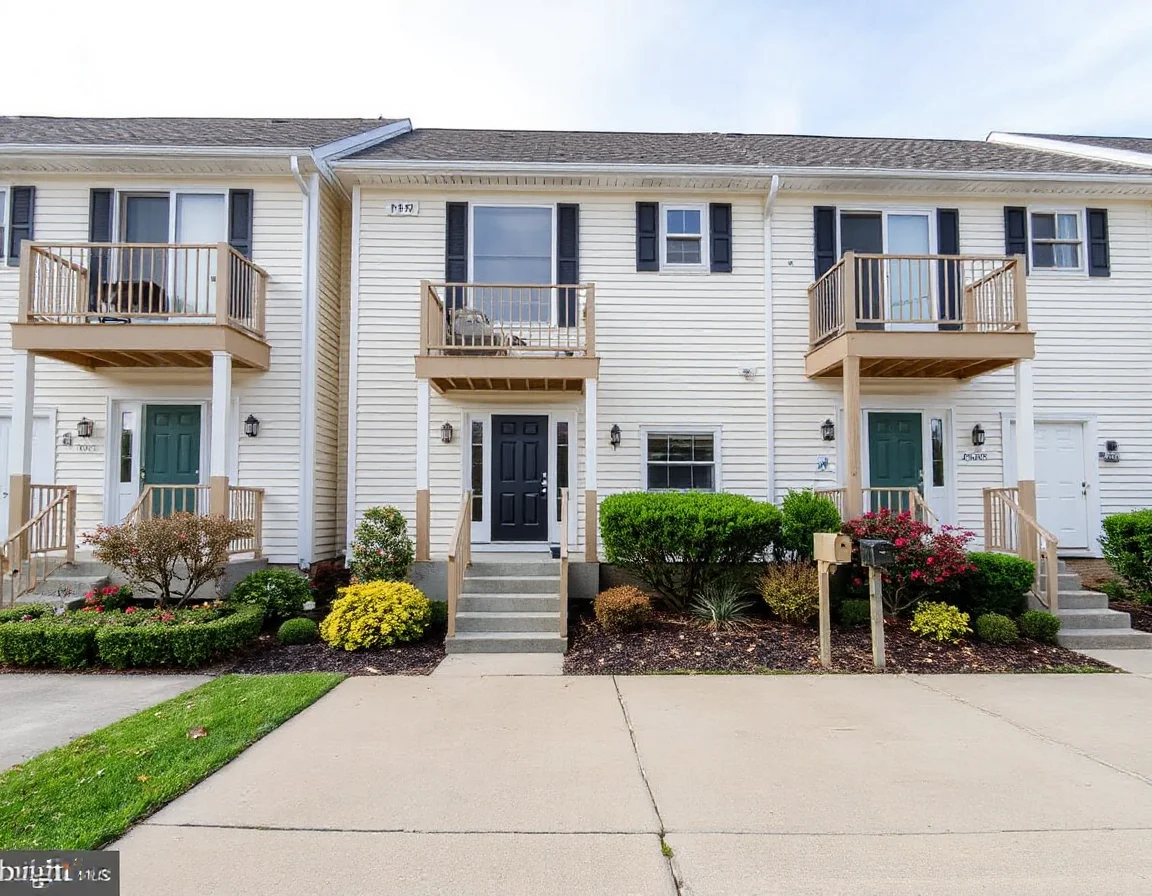
Condition often has an outsized effect on coastal real estate. Salt air, wind, moisture, and frequent use can make maintenance records meaningful to prospective buyers. Sellers can benefit from addressing visible deferred maintenance, organizing documentation for renovations and service work, and making access easy for inspections. Buyers can benefit from asking detailed questions about exterior systems, windows, roof age, HVAC maintenance, association responsibilities, and any upcoming capital projects.
Condominium documents deserve close attention. Reserve funding, meeting minutes, insurance coverage, rental policies, pet policies, maintenance plans, and assessment history can affect both the ownership experience and financing. A lower list price or monthly fee does not necessarily mean a lower long-term cost. Reviewing these materials within the contract timeline, with appropriate professional guidance, gives buyers a clearer picture of the property they are considering.
A coastal purchase budget should include more than the offer price. Association costs, insurance choices, inspections, reserves, and maintenance planning all belong in the early math.
Estimate monthly ownership costs
Timing Moves Around the Coast’s Seasonal Rhythm
Ocean City’s calendar can influence listing activity and buyer attention. Spring often brings new listings and increased planning for the months ahead. Summer can create high visibility for properties, particularly when visitors are already spending time in the area, but scheduling showings and inspections may require more coordination. Fall can offer a more measured pace, with buyers and sellers able to evaluate opportunities after the busiest travel period. Winter may bring fewer listings, yet motivated participants can still find meaningful opportunities.
There is no single “best” month for every transaction. A seller who needs maximum exposure may choose a period when activity is building, while a seller with a carefully prepared property may find that reduced competition is advantageous at another time of year. Buyers who begin financing, document review, and market monitoring before a preferred season can act with greater confidence when the right property appears.
Price reductions, expired listings, and newly listed properties are all useful signals, but they should be interpreted carefully. A reduction may bring a home into line with current competition; it may also reflect a seller’s individual timeline. A new listing can create urgency, yet buyers should still allow time for inspections and due diligence. The goal is not to predict every market shift—it is to understand the choices and act deliberately.
A Practical Plan for the Next Move
Whether buying or selling in Ocean City, build a decision process around current information. Buyers can begin with a lending conversation, establish a realistic ownership budget, track comparable listings, and identify the buildings or areas that best fit their property goals. Sellers can review active competition, prepare maintenance and association documents, consider staging, and set a launch plan that reflects both condition and current demand.
Ocean City offers a distinct blend of beach access, bayfront scenery, boating opportunities, boardwalk attractions, and nearby connections to West Ocean City, Berlin, Ocean Pines, and the broader Maryland and Delaware shore region. Those location advantages are real, but every property has its own market position. A measured review of pricing, inventory, condition, and timing is the clearest path toward an informed decision.
When the numbers are viewed in context, the market becomes easier to navigate. Focus on the properties that truly compare, ask detailed questions before committing, and keep your timing flexible enough to respond when a well-matched opportunity arrives.