
Frankford real estate rewards buyers and sellers who look beyond a single headline number. Pricing, available homes, property condition, financing terms, and seasonal activity can all shape the outcome of a move. This guide offers a practical way to read the local market and make a plan that fits your timing.
What Shapes Home Prices in Frankford?
Frankford, Delaware sits within the broader Sussex County coastal-market orbit, where buyers often compare inland properties with homes closer to Bethany Beach, Fenwick Island, Ocean View, and the South Delaware Beaches. That comparison matters because value is rarely based on square footage alone. A home’s condition, lot setting, age, community amenities, renovation quality, and distance to everyday destinations can all influence how it is positioned against competing listings.
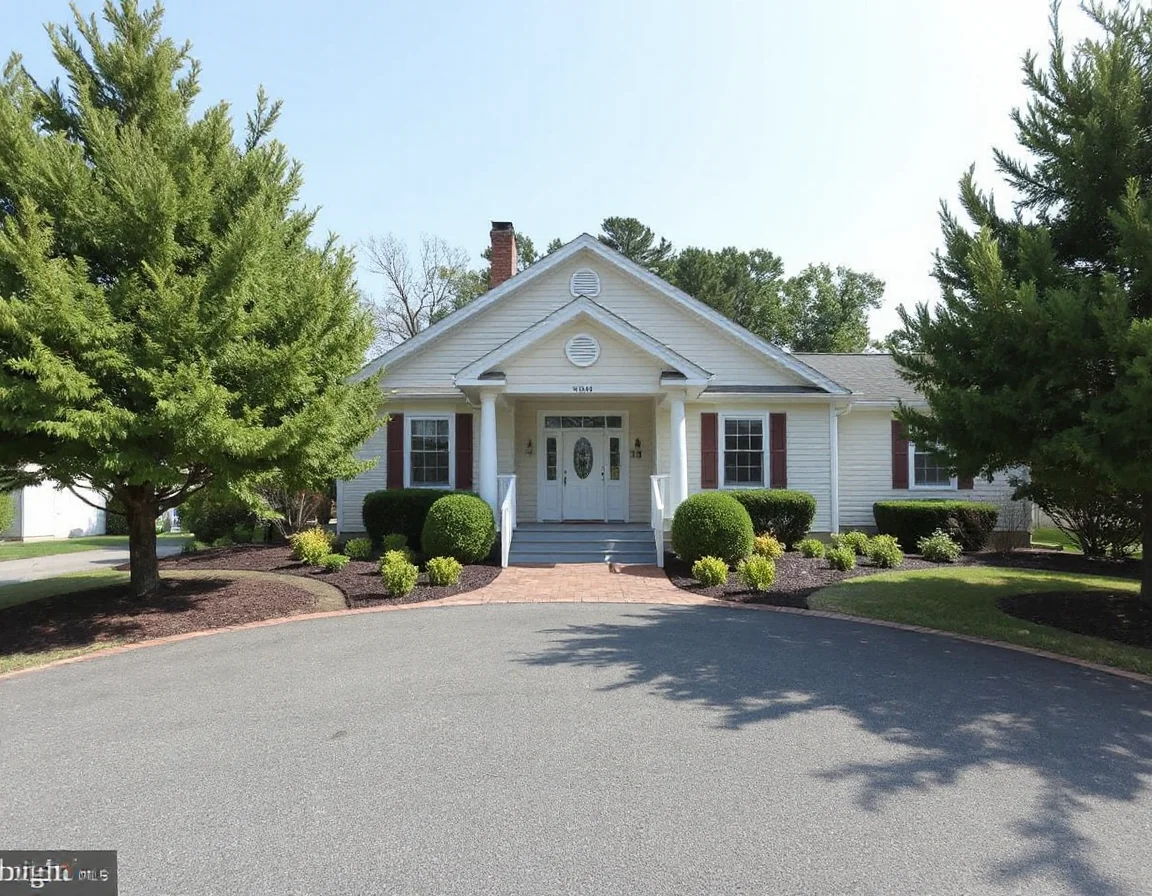
For buyers, the most useful price research is specific. Rather than focusing on the average price for an entire town, compare recently sold homes with similar bedrooms, baths, acreage, construction era, and finish level. Then look at active competition. A property may be priced in line with past sales but still need to stand out against newer listings with updated kitchens, flexible living spaces, or lower-maintenance outdoor areas.
Sellers can use the same lens to avoid a common mistake: setting a list price based on the highest sale nearby without accounting for meaningful differences. A renovated home and an original-condition home may share an address range but attract very different buyer responses. Thoughtful preparation, clear photography, and a pricing strategy grounded in current alternatives can help a listing earn attention during its crucial first days on the market.
The most relevant comparable homes are usually those a buyer would genuinely consider instead—not simply every recent sale within the same ZIP code.
It is also worth considering ownership costs alongside the purchase price. Property taxes, insurance, HOA or condominium fees where applicable, flood-zone considerations, utility expenses, and anticipated maintenance all contribute to the full financial picture. Buyers who review these items early can compare homes with more confidence; sellers who gather this information before listing can answer questions quickly and reduce friction once offers arrive.
Reading Inventory Without Overreacting
Inventory is simply the number of homes available for sale at a given time, but its impact can feel very different from one price range or property type to another. A buyer may see several choices online, yet find that only a few match their preferred location, condition, layout, and budget. Conversely, a seller may see limited local competition but still need to account for alternatives in nearby communities that buyers are likely to tour.
In and around Frankford, it helps to separate the market into practical categories: year-round residences, newer construction, homes on larger lots, properties in planned communities, and homes that may appeal to purchasers seeking access to coastal recreation. Each category can move at its own pace. A broad statement that “inventory is up” or “inventory is down” is less useful than understanding what has changed among homes similar to the one being bought or sold.

For buyers, a limited selection calls for preparation rather than panic. Get a clear pre-approval, define the nonnegotiables, and decide in advance where there is flexibility. That might mean adjusting the desired closing date, considering cosmetic updates, or expanding the search radius slightly. A well-organized buyer can act decisively when a suitable home appears without skipping important due diligence.
For sellers, low competition is an opportunity—not a substitute for preparation. Buyers still notice deferred maintenance, dated presentation, unclear disclosures, and pricing that does not align with the home’s condition. Simple projects such as improving exterior lighting, refreshing paint, removing excess furniture, and addressing visible repairs can make a property easier to evaluate in person and online.
Inventory is most meaningful when paired with buyer activity: watch showing feedback, saved-listing interest, offer terms, and how quickly comparable homes move from active to pending.
A careful review of current listings also helps identify what buyers are responding to. Are updated homes moving first? Are buyers favoring single-level layouts, outdoor living areas, garages, or lower-maintenance properties? Those observations can guide both search decisions and seller preparation without relying on broad market assumptions.
Timing a Purchase or Sale Around the Coastal Market
There is no universally perfect month to buy or sell in Frankford. Seasonal patterns can influence the number of listings and the amount of buyer traffic, especially throughout Sussex County’s beach-oriented region, but personal readiness remains the more important factor. A buyer with financing in place and a clear search plan may find a strong opportunity in any season. A seller whose home is well prepared can benefit from launching when presentation and access are at their best.
Spring often brings renewed listing activity and more choices for buyers, while later spring and summer can bring added attention to the coastal region. That attention can be helpful for sellers, but it also means a listing needs to be polished from day one. In fall and winter, there may be fewer active homes to compare, yet the buyers who are touring can be highly focused. The right approach depends on current competition, the property’s strengths, and the seller’s preferred timeline.
Weather and local calendars should also be part of the logistics conversation. Plan photography when exterior spaces look their best, keep showing instructions straightforward, and allow enough time to complete inspections, appraisal, lender requirements, and any repair negotiations. Buyers should consider travel time for inspections and final walkthroughs, particularly if they are coordinating a move from outside the immediate area.
A Practical Plan for Buyers and Sellers
Buyers can begin with a realistic monthly-payment range, not just a maximum purchase price. Speak with a lender about loan options, reserve funds, and likely closing costs, then use that information to narrow the search. Once a promising property appears, review disclosures, HOA documents when relevant, utility information, and the likely condition of major systems. A competitive offer can still include appropriate contingencies and a timeline that supports informed decision-making.
Sellers should start with a room-by-room assessment. Focus on repairs that are visible or likely to arise during inspection, then consider staging choices that clarify the home’s scale and flow. Clean surfaces, well-lit rooms, simplified storage, and a welcoming entry can help buyers picture the property more easily. Pricing should reflect recent comparable sales, active alternatives, and the home’s present condition—not the price a seller hopes the market will reach.

Whether the goal is to purchase a primary residence, a beach-area retreat, or an investment property, the strongest decisions come from connecting market information to a personal strategy. Frankford offers access to Sussex County destinations while maintaining its own residential character, and each property tells a different value story. Looking closely at inventory, condition, costs, and timing makes that story easier to understand.
If you are considering a move, start with the questions that matter most: What must the home provide? What expenses need to fit the plan? How flexible is the timeline? With those answers in hand, local market data becomes far more useful than a headline about prices alone.