
A successful Ocean City sale begins before the listing goes live. This checklist helps sellers set a market-informed price, make high-impact presentation updates, and prepare the practical details that keep showings and negotiations moving. The goal is not to make a home look generic—it is to make its strongest features easy for buyers to see and understand.
Start With a Clear Pricing Strategy
Pricing is the first major decision in an Ocean City, Maryland home sale, and it should be grounded in current competition rather than last season’s headlines or a single nearby sale. Coastal inventory can vary widely by property type, building amenities, proximity to the beach or bay, views, parking, rental history, condo fees, and the condition of the home. A direct oceanfront condominium and a single-family home near West Ocean City may attract different buyer searches, even when their list prices appear similar.
Begin by reviewing recently closed properties, active listings, and pending sales that truly resemble yours. Closed sales show what buyers have recently paid; active listings reveal the choices buyers can see today; pending sales can signal where current demand is landing. Pay special attention to square footage, updates, floor level, outdoor space, storage, assigned parking, HOA or condo fees, and any restrictions that could affect use or rental plans.
It also helps to decide in advance how you will respond if the market gives feedback quickly. If showings are plentiful but offers do not arrive, buyers may be reacting to price, condition, or both. If traffic is limited from the beginning, the property may not be reaching the right search range. A listing should have enough time to be seen, but sellers benefit from reviewing activity promptly instead of waiting through an entire selling season without a plan.
The most useful comparison is rarely the closest address alone. In a resort-area market, a home’s view, building features, parking, maintenance level, and ownership costs can materially affect its position.
Before selecting a list price, gather the documents that help explain value. For a condominium, this may include the current budget, reserve information when available, rules and regulations, rental policies, special-assessment details, and recent fee changes. For a home with a rental record, organize documented income, booking patterns, management information, and lists of owner improvements. Clear records help buyers evaluate the property with fewer unanswered questions.
Stage for Light, Space, and Everyday Use
Staging does not require a complete redesign. It is a focused process of reducing distractions and making the layout, storage, light, and condition of a property immediately understandable. In Ocean City, buyers often compare several properties in a short visit, so rooms need to photograph well and feel easy to navigate from the moment the door opens.

Start with a practical reset: remove excess furniture, clear counters, pack personal collections, and create a simple landing area at the entry. Storage should look usable, not overflowing. Closets, kitchen cabinets, utility areas, owner lockers, and beach-gear storage deserve attention because buyers often look closely at the places that support day-to-day living and seasonal use.
Then address the small items that can distract from an otherwise well-kept property. Replace burned-out bulbs, tighten loose hardware, touch up wall scuffs, repair dripping faucets, and clean windows, mirrors, vents, baseboards, and ceiling fans. In beach communities, salt air and humidity can make minor wear more visible, especially on exterior fixtures, balcony railings, door hardware, and window tracks. A concise repair list completed before photos can improve the overall impression far more than one large decorative purchase.
For furnished properties, choose a calm and consistent visual direction. Neutral bedding, simple towels, coordinated outdoor cushions, and a limited number of decorative items can make rooms feel intentional without erasing their personality. If a room has a flexible purpose, show it clearly: a desk area, reading corner, dining space, or storage zone should be arranged so buyers can recognize the function at a glance.
Photo day is not the finish line. Keep a small “showing reset” routine ready for each visit: open blinds, turn on key lights, clear counters, straighten outdoor seating, and secure valuables.
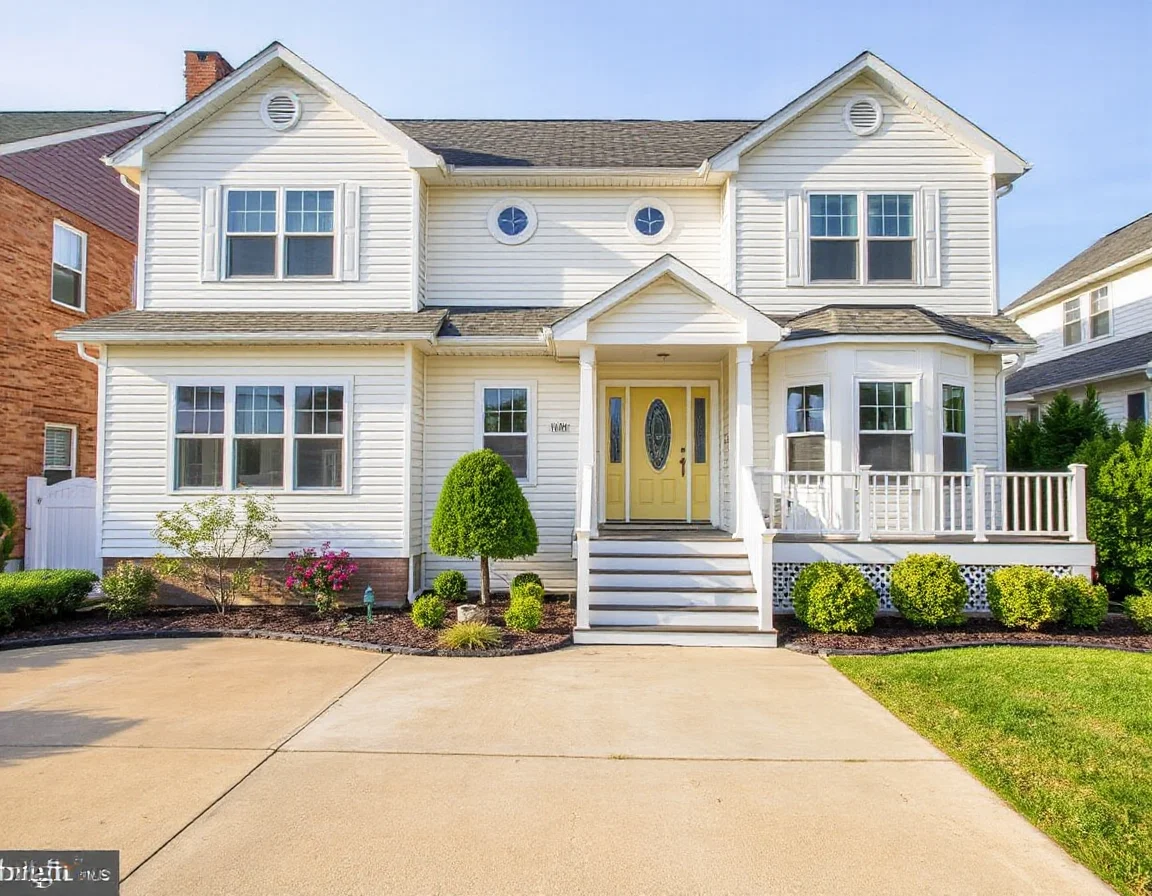
Outside, prioritize the approach a buyer sees first. Sweep walkways, remove seasonal clutter, refresh mulch or planters if appropriate, rinse exterior surfaces, and make sure house numbers and entry lighting are visible. For condo or townhome sellers, focus on the areas under your control: the front door, balcony, patio, storage space, and any assigned parking or entry features that belong to the property.
Prepare the Listing Details Before the Camera Arrives
Strong marketing starts with accurate information. Create a room-by-room list of improvements and note when major systems were replaced or serviced. Include appliances that convey, window treatments, furnishings if offered separately, and any upgrades such as flooring, counters, shower surrounds, HVAC equipment, water heaters, roofs, decking, or storm protection. Receipts and permits, when applicable, are worth organizing in one place.
For Ocean City properties, be ready to explain features that online photos cannot fully convey. Is there a water view from the living area, balcony, or primary bedroom? What is the parking arrangement? Are there elevators, pools, fitness spaces, docks, storage rooms, or on-site management? Is the property connected to public water and sewer? These are factual listing details that help buyers compare options efficiently.
Schedule photography after cleaning and staging are complete, not while projects are still underway. A professional visual plan may include interior images, exterior images, balcony or patio views, building amenities, and context photographs that accurately represent the property. Keep curtains and blinds coordinated, remove pet items and cords when possible, and consider the time of day that best highlights the home’s natural light and views.
- Gather HOA, condo, or association documents and contact information.
- Prepare utility averages, recent service records, and a list of included items.
- Confirm keys, parking passes, gate codes, storage access, and mailbox information.
- Set a showing plan for pets, valuables, medications, and personal documents.
- Discuss preferred notice periods and any dates when access is limited.
It is also wise to talk through the likely offer components before the first offer arrives. Price matters, but so do financing terms, inspection timelines, appraisal considerations, requested concessions, deposit amounts, settlement dates, and contingencies. When sellers know their priorities ahead of time, they can respond thoughtfully instead of making a rushed decision during a busy showing period.
Keep the Momentum After Launch
Once the home is listed, consistency matters. Make it easy to schedule showings when possible, keep the property in photo-ready condition, and review feedback for useful themes rather than isolated opinions. Comments about a dated bath, limited storage, lighting, or pricing may point to an adjustment worth considering. Comments that simply reflect one buyer’s preferences may not require a change.
Ocean City’s market is shaped by seasonality, weather, travel patterns, and the changing pace of coastal activity. That makes timely communication especially important. A seller who understands showing activity, competing inventory, and buyer feedback can make decisions with more confidence. The right preparation creates a listing that is easier to market, easier to show, and easier for buyers to evaluate.
From the first pricing conversation through closing, a thoughtful checklist protects your time and helps present the property at its best. Focus on accurate information, polished condition, and a pricing plan that matches the current market—not just the memories attached to the home.