
An Ocean City condo’s price is only part of the story. Association rules, monthly fees, insurance and reserves can shape both your budget and how you use the property. Here’s what buyers and sellers should review before a transaction moves too far along.
Start With the Whole Condo Picture
A condominium near the ocean or bay can offer an appealing combination of coastal access and shared maintenance. But two units with similar views and asking prices may have very different ongoing costs, property restrictions and repair obligations. Looking beyond the listing helps you understand what ownership would actually involve.
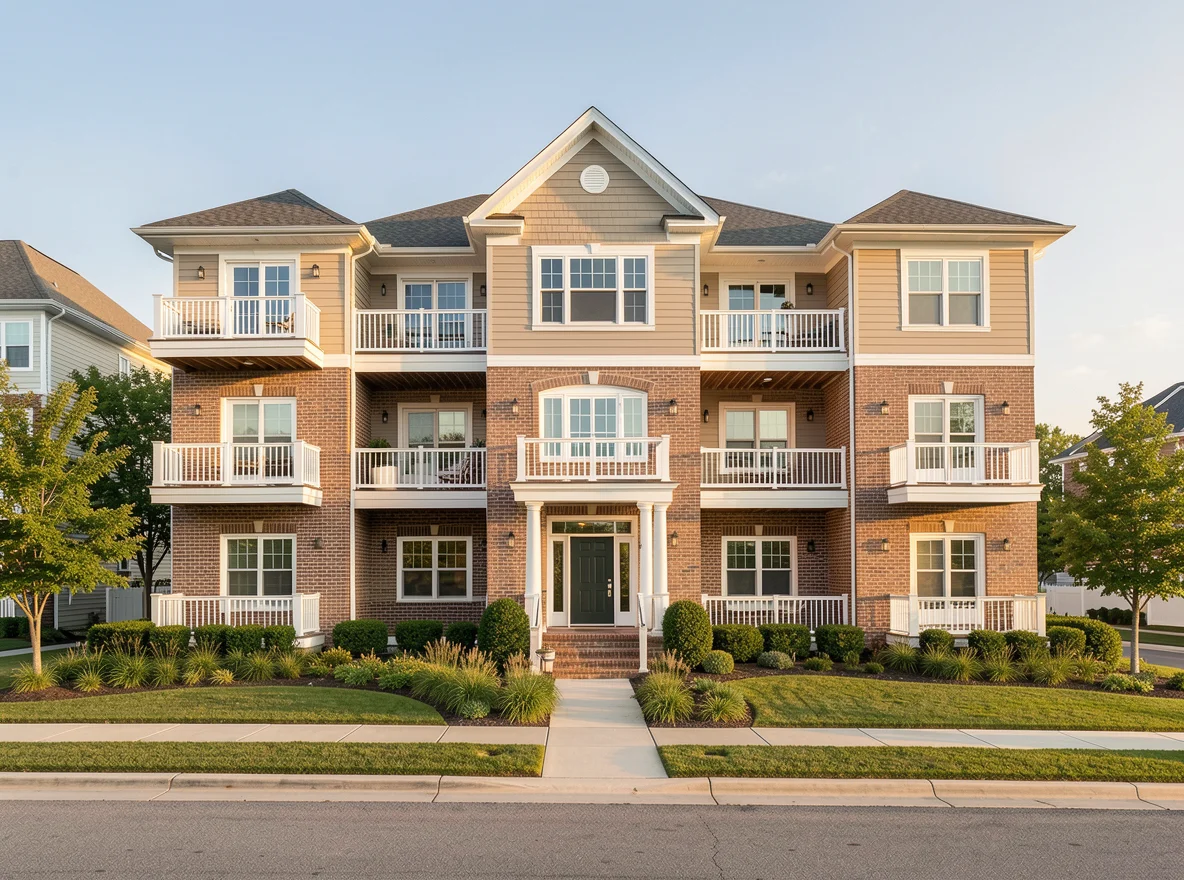
In a condo, owners generally hold title to their individual units while sharing responsibility for common elements through the condominium association. Those shared elements may include hallways, elevators, exterior surfaces, parking areas or amenities. The governing documents define the details, and those details can differ substantially from one building to another.
That distinction matters at the shore, where salt air, wind and moisture can put extra demands on exterior materials and equipment. A well-kept balcony or freshly painted exterior is encouraging, but it’s also worth asking how the association plans and pays for future work. A review of the documents can reveal more than a showing alone.
For sellers, gathering current association information early can help answer questions when a buyer is ready to act. For buyers, the goal is not to find a building with no expenses; it’s to understand the expenses, restrictions and risks before committing.
What Your Association Fee May Cover
Condo fees usually support the operation and upkeep of shared property. Depending on the association, the regular payment may cover some combination of common-area maintenance, landscaping, utilities, management, amenities, insurance and contributions to reserves. Coverage is not uniform, so ask for the current budget and a written breakdown rather than relying on a listing description.
Compare the fee with what it actually buys. A lower monthly payment is not automatically a better value if major work has been deferred or if owners pay separately for services included elsewhere. A higher fee may reflect amenities, insurance costs or a more substantial reserve contribution—but the budget and financial records are needed to understand why.
When comparing condos, ask for the monthly fee and the current budget. The fee alone won’t tell you what is covered or how much is being set aside for future repairs.
Build a complete monthly estimate that includes the mortgage, property taxes, association dues, unit insurance and any utilities or services not covered by the association. If the property will be rented, consider cleaning, management, maintenance and vacancy costs as well. Fees can change, so ask about recent increases and any budget changes under discussion.
Estimate your mortgage payment
Reserve Funds and Special Assessments
A reserve fund is money an association sets aside for significant future repairs or replacements of shared components. Depending on the property, those projects might involve a roof, elevator, siding, walkways or other building systems. A reserve study estimates the condition, remaining useful life and anticipated replacement cost of applicable components; the association’s financial statements show what has actually been saved.
Review the most recent reserve study alongside the budget and reserve balance. Ask when the study was prepared, whether it has been updated, what projects are expected and how the board plans to fund them. A balance that looks large on its own may tell you little without knowing the size of the building and the work ahead.
If available funds are insufficient for an expense, an association may impose a special assessment: an additional charge to owners outside regular dues. Assessments can pay for necessary work, but they can also affect affordability and a sale. Ask whether any assessments have been approved, proposed or discussed, how much is owed for the unit and who will pay under the purchase agreement.
Maryland has reserve-study and funding requirements that can apply to condominium associations, but the details depend on the property and current law. A buyer or seller with questions about compliance, disclosure or responsibility for an assessment should consult a Maryland real estate attorney and the association’s management.
Rules That Shape How You Use the Unit
Before assuming a condo will work for your plans, read the declaration, bylaws, rules and any amendments. These documents can address rental terms, exterior changes, parking, storage, balcony use and shared amenities. Ask management for the current versions and clarification where the language is unclear.

Rental rules deserve particular attention if you hope to generate income. An association may limit lease duration, require registration or impose other conditions. Local licensing, tax and other requirements may also apply separately. Verify both association rules and current local requirements before making projections; a neighboring building’s policy is not a substitute for the rules governing the unit you’re considering.
A rental-friendly listing is a starting point, not confirmation. Check the association’s written rules and applicable Ocean City requirements before counting on rental income.
Also look for provisions affecting renovations and routine ownership. You may need approval for flooring, windows or other work, and the documents should help identify whether the owner or association is responsible for particular components. If a rule is important to your decision, get an answer in writing and ask a qualified professional to interpret it when needed.
Insurance and Financing Need an Early Look
Ask for information about the association’s master insurance policy, including what it covers, exclusions and deductibles. Then speak with an insurance professional about coverage for the unit, personal property, liability and potential gaps. Coastal properties may raise additional questions about wind and flood coverage; do not assume either is included without checking the policies.
Financing can depend on more than the buyer’s qualifications. A lender may review the condominium project, its insurance, financial condition and other characteristics before approving a loan. Share the property and association information with your lender early, and ask what documentation is needed for the specific loan program.
A Practical Document Checklist
Buyers should ask their agent and attorney which documents and disclosures apply to the transaction and when they should be delivered. Sellers can contact the association or its management company early to learn how to request current materials and what fees or processing time may be involved. Useful items to review include:
- The declaration, bylaws, current rules and amendments.
- The current budget, fee schedule and recent financial statements.
- The latest available reserve study and information about planned projects.
- Details of approved or proposed special assessments.
- Master insurance information and relevant deductibles.
- Available board meeting minutes and information about significant disputes or litigation.
- Applicable resale disclosures and association-provided documents.
Read the purchase agreement carefully for document-review periods, contingencies and assessment terms. Rules and deadlines can vary with the transaction, so confirm them with your agent or attorney rather than assuming there is unlimited time to investigate.
Talk with Sandra about Ocean City condos
Whether you’re comparing properties or preparing to sell, a clear view of the association makes the next step easier. Ask questions early, review the financial picture alongside the rules, and bring in your lender, insurance professional or attorney when specialized advice is needed. The beach may draw your attention first, but the details can help you make a more informed decision.