
Buying near the coast in Rehoboth Beach often means flood insurance deserves early attention, not a last-minute scramble before closing. Understanding flood zones, elevation, lender requirements, and current policy costs can help you compare homes more accurately and avoid surprises in your monthly budget. A little homework upfront can make a big difference in how confident you feel when evaluating a beach-area property.
Why flood insurance comes up so often in coastal purchases
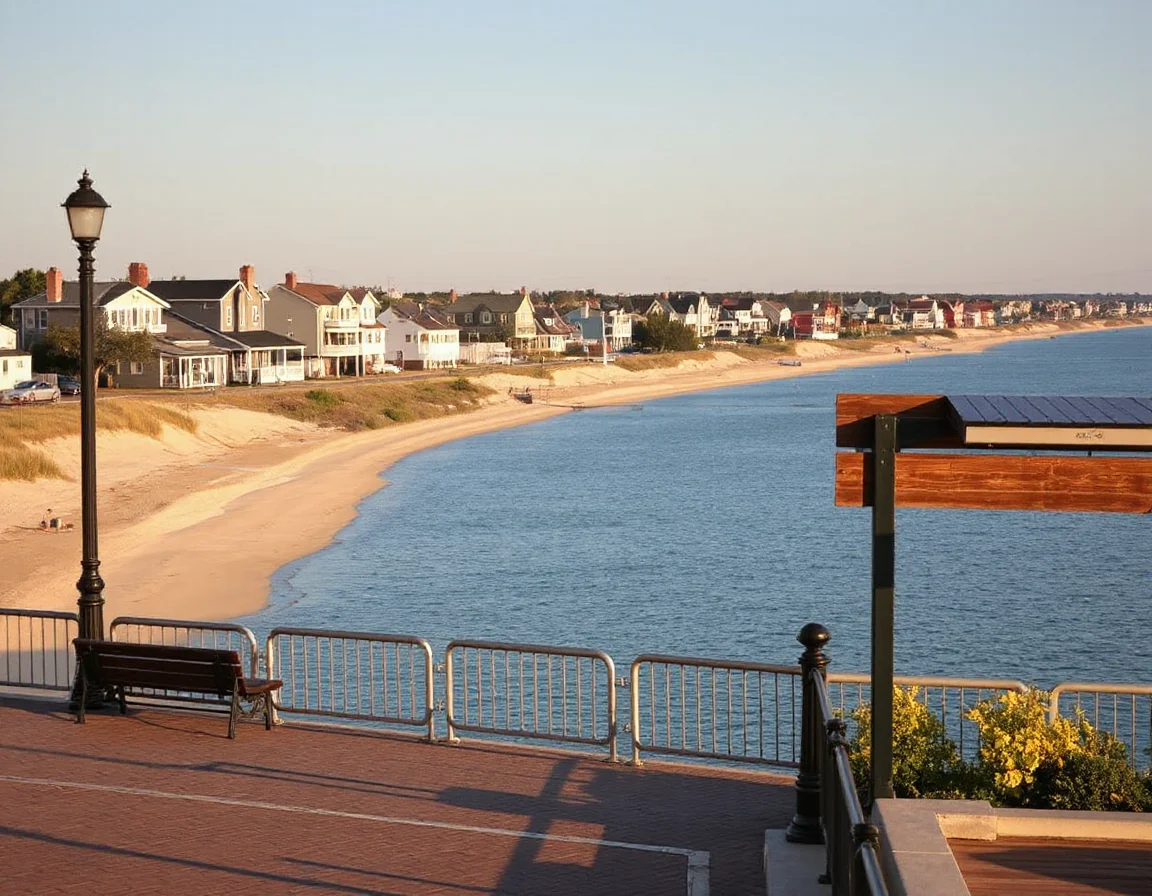
Along the South Delaware Beaches, water is part of the appeal, but it also changes how buyers should evaluate risk and ownership costs. In Rehoboth Beach, homes may be near the ocean, bays, canals, ponds, or low-lying areas affected by heavy rain and tidal conditions. That does not automatically mean every property carries the same insurance profile, but it does mean flood insurance should be part of the conversation early, right alongside taxes, HOA fees, and maintenance.
One of the biggest misconceptions is that flood coverage is included in a standard homeowners insurance policy. In most cases, it is not. Flood insurance is usually a separate policy, and whether it is required can depend on the property’s flood zone, the lender’s guidelines, and the type of financing involved. Even when it is not required, some buyers still choose to carry it because coastal weather patterns and drainage conditions can create exposure beyond what a map alone seems to suggest.
For buyers comparing several homes, this matters because two properties with similar list prices can have very different monthly ownership costs once insurance is factored in. A home closer to grade level, one with older construction, or one located in a higher-risk flood zone may produce a noticeably different insurance quote than a raised home on a different block. Looking at the full cost picture is often more useful than focusing on sale price alone.
A flood quote can affect affordability just as much as taxes or HOA dues. Asking for insurance information before making final comparisons can help you evaluate properties on a more realistic monthly basis.
What buyers should understand about flood zones and maps
Flood zones are typically shown on FEMA maps, and they help lenders and insurers assess risk. You may hear terms like AE, VE, or X zones during the buying process. These designations do not tell the whole story of a property, but they do provide a starting point for understanding whether flood insurance may be required and how premiums may be calculated.
An AE zone generally indicates an area with a higher probability of flooding, while VE zones often apply to coastal areas with additional wave-related risk. X zones are often considered lower risk, though lower risk does not mean no risk. Map updates, drainage improvements, elevation certificates, and site-specific conditions can all influence how a property is ultimately underwritten. That is why buyers should avoid assuming they know the cost based only on a listing description or casual neighborhood knowledge.
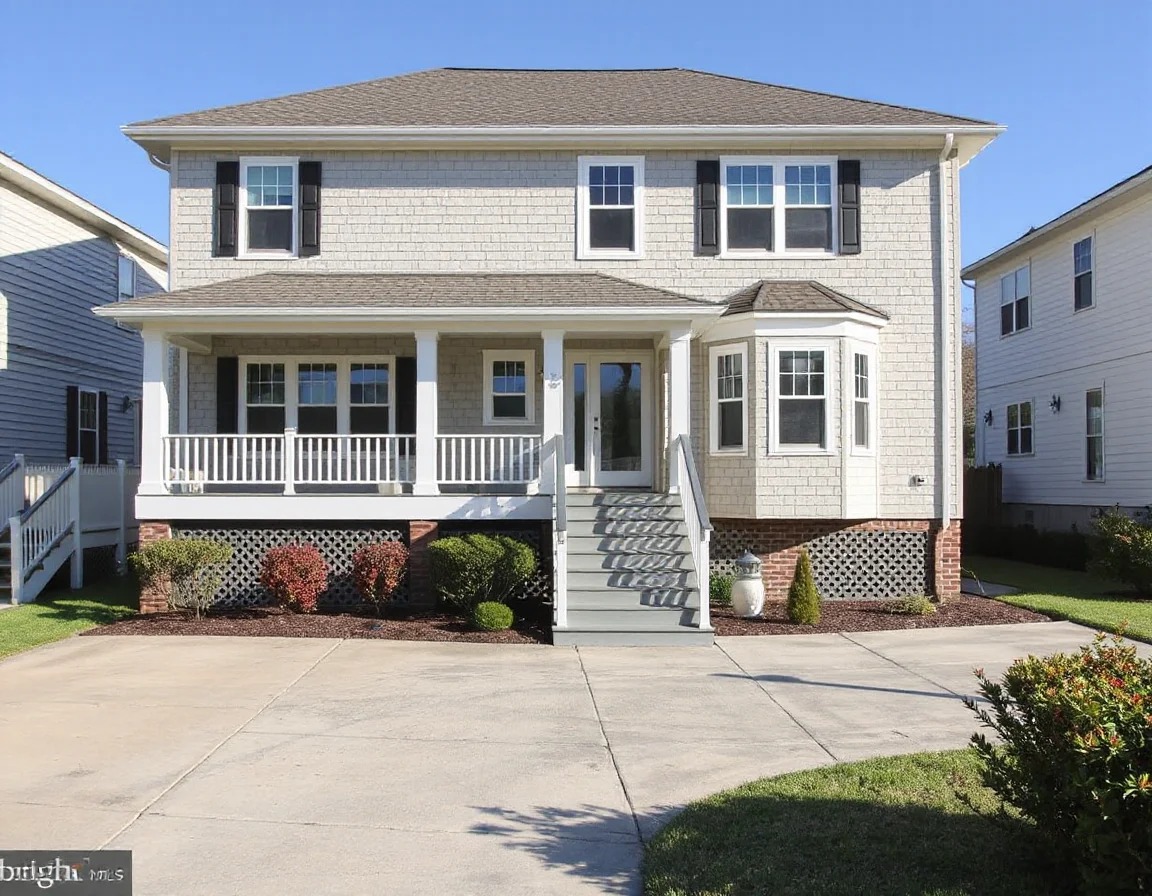
Elevation also plays a major role. A home that sits higher relative to the expected flood level may be treated differently from one that sits lower, even within the same general zone. If an elevation certificate is available, it can be an important document for both quoting and understanding risk. In some cases, updated construction methods or mitigation features may also help with premium levels.
Because of this, buyers benefit from requesting available flood-related documents as part of due diligence. Those can include the seller’s current declaration page, elevation certificate if one exists, and any information about past claims or improvements. A real-world quote from an insurance professional will be far more useful than a guess based on the map alone.
Ask about buying costs in the beach area
Two homes on nearby streets can produce very different flood premiums. Construction style, first-floor height, and lender requirements often matter as much as proximity to the shoreline.
How flood insurance affects financing and closing timelines
If a lender determines that flood insurance is required, proof of coverage will typically be needed before closing. That may sound simple, but buyers should leave room in the timeline for quotes, underwriting questions, and document review. Waiting until the final days before settlement can create unnecessary stress, especially in a competitive market where many moving parts are already in play.
It is also worth asking how the premium will be paid. Some buyers escrow flood insurance with their mortgage payment, while others pay it separately depending on lender rules and loan structure. Either way, understanding whether the cost becomes part of the monthly payment is important when planning cash flow.
For investment properties or second homes, buyers should be especially careful about assumptions. Premiums, lender reserves, and overall carrying costs may differ from those on a primary residence, and those differences can change the property’s numbers in a meaningful way. Anyone purchasing with rental income in mind should run the insurance figures early so the ownership model is based on actual estimates rather than broad averages.
Another practical point: flood insurance should be part of the offer-stage conversation when possible. If a home is clearly in a flood-prone area, a buyer can ask questions before contingency periods start ticking away. That approach helps create a smoother inspection and financing process and can reduce last-minute renegotiation driven by unexpected insurance costs.
What can influence the price of a policy
Premiums can vary based on several details, including flood zone, elevation, construction type, foundation design, enclosed areas below elevated living space, deductible choice, and the amount of building and contents coverage selected. Age of the home and updates to mechanical systems may also matter. In a beach market, details that seem minor in a showing can become significant in the underwriting process.
Buyers should also know that recent rating methods in the insurance world have changed how some properties are priced. Rather than relying only on older broad-brush map logic, insurers may weigh multiple property-specific factors. That means a quick internet estimate may not tell the full story. The best move is usually to gather the address, ask for current property details, and request a quote from an insurance professional familiar with coastal Delaware.
When comparing options, it helps to think in terms of total ownership strategy. A lower-priced home that needs expensive flood coverage, drainage work, or future mitigation may not be the better value compared with a slightly higher-priced property that has stronger elevation and more predictable costs. Insurance is not separate from the purchase decision; it is one of the numbers that defines the decision.
A smart way to approach your home search
The most effective buyers in Rehoboth Beach usually treat flood insurance as a research item, not a red flag. Coastal ownership comes with unique considerations, and being informed helps you focus on homes that fit both your goals and your comfort level with long-term costs. Instead of asking only, “Do I need flood insurance?” it is often better to ask, “What is the likely cost, what is driving that cost, and how does it fit with everything else about this property?”
That mindset creates better comparisons, stronger budgeting, and more productive conversations during due diligence. Whether you are buying a full-time residence, a vacation property, or an investment home, getting insurance clarity early can save time and support better decision-making. In a market where location, elevation, and construction details all matter, the buyers who ask these questions up front are usually the ones who feel most prepared when it is time to move forward.