
Buying a condo in Dewey Beach for rental income can look straightforward on paper, but the real numbers depend on more than the purchase price and peak summer rates. Condo fees, insurance, local seasonality, financing terms, and guest demand patterns all shape ROI in ways that can either support or squeeze cash flow. A careful review of operating costs and booking assumptions helps buyers compare opportunities more clearly before making an offer.
Why Dewey Beach Rental Math Deserves a Closer Look
Dewey Beach draws steady interest because it offers a compact coastal setting, easy beach access, proximity to Rehoboth Beach, and a well-known summer rhythm that supports short-term rental demand. For many buyers, that creates a compelling idea: own a beach condo, enjoy some personal use, and offset expenses with seasonal rental income. The opportunity is real, but so is the need for disciplined underwriting.

What makes this market especially interesting is that income potential can rise quickly during high-demand weeks, while carrying costs continue all year. That means an attractive gross rental estimate does not automatically translate into strong net returns. Buyers who focus only on top-line revenue often miss the recurring expenses that define whether a property performs like an investment or behaves more like a lifestyle purchase with supplemental income.
Condos, in particular, require a deeper dive because the shared building structure changes the cost picture. Monthly association dues may cover items that would otherwise be separate ownership expenses, such as exterior maintenance, common-area upkeep, building insurance components, amenities, reserves, or water service. At the same time, those dues can materially reduce monthly cash flow, especially when paired with coastal insurance and financing costs.
In beach markets, a condo with slightly lower gross rent can outperform a higher-earning unit if the fee structure, reserves, and maintenance obligations are significantly more favorable.
That is why ROI analysis in Dewey Beach works best when it starts with a full operating budget rather than an optimistic nightly rate. Buyers should ask for recent association budgets, reserve information, rental history if available, current tax data, insurance quotes, and any rules affecting rental frequency or minimum stay requirements.
How Condo Fees Affect Real Returns
Association fees are often the first line item that changes the investment conversation. A building with a strong location and good rental appeal may still deliver weaker net income if monthly dues are high relative to the rent it can command. The right question is not whether the fee is “too high” in isolation, but whether the fee aligns with the building’s condition, amenities, services, and expected income profile.
For example, a condo with an elevator, pool, parking management, flood-related maintenance responsibilities, and professionally managed common areas may have noticeably higher dues than a simpler building nearby. Those services can support guest appeal and reduce ownership hassle, but they still must fit the numbers. If two units produce similar booking revenue and one carries several hundred dollars more in monthly fees, the long-term return picture changes quickly.
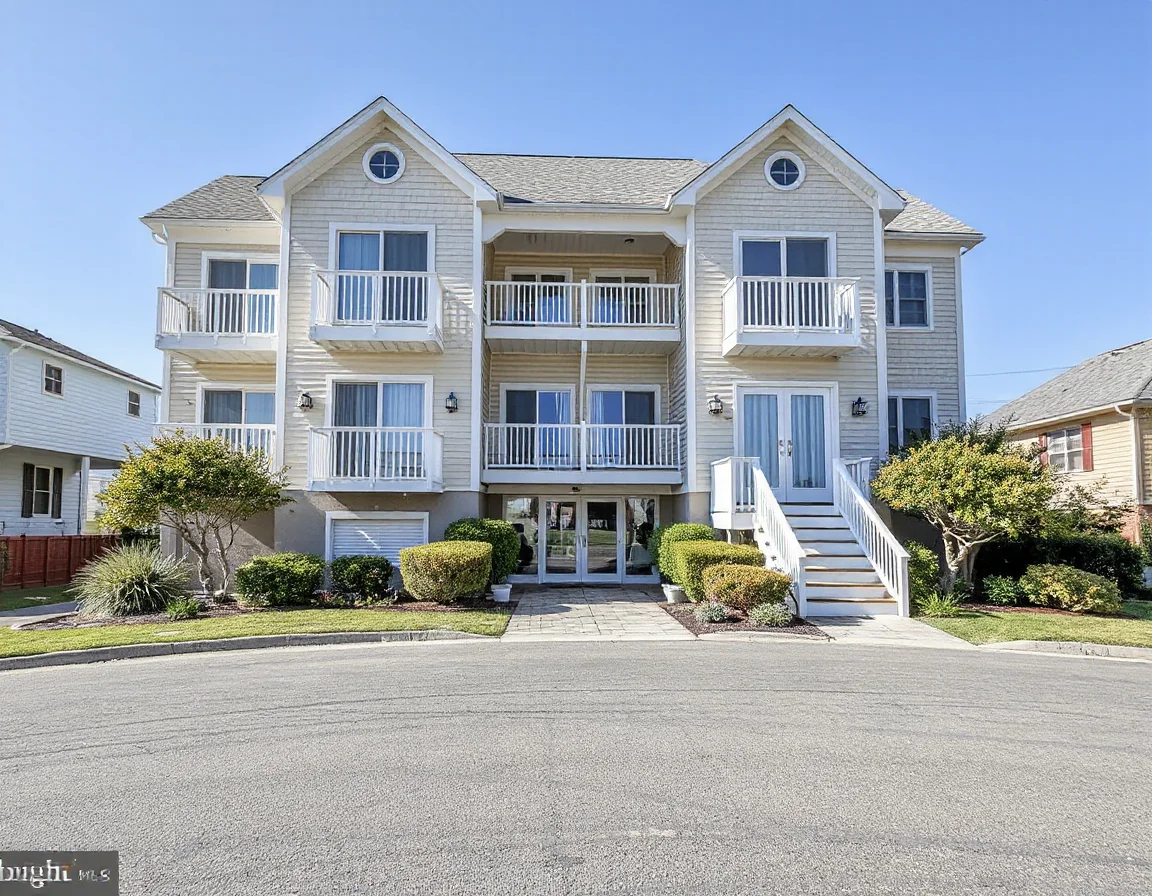
It is also worth looking beyond the current fee amount. Buyers should review whether the association appears to be funding reserves adequately or whether deferred maintenance could lead to future assessments. A condo with artificially low dues may look attractive at first glance, but upcoming repairs to roofs, siding, stair systems, parking surfaces, or shared mechanical components can alter ownership costs in a hurry.
Another practical point is rental policy. Some associations permit weekly rentals, while others may impose restrictions that influence occupancy and pricing strategy. If the building’s rules reduce booking flexibility, projected income should be adjusted accordingly. A strong ROI model reflects the actual operating environment, not the most favorable scenario.
When comparing condos, ask for the association documents early. Rental restrictions, reserve strength, and pending capital work can matter as much as location and finishes.
Ask about evaluating condo fees and rental potential
Seasonality Can Boost Revenue and Compress It
Dewey Beach is highly seasonal, and that seasonality is central to rental planning. Peak summer weeks often carry the strongest rates and highest occupancy, which can make annual revenue projections look impressive. But owners should separate peak performance from year-round averages. Shoulder-season demand can still be meaningful, especially around events and mild-weather weekends, yet it typically does not mirror midsummer pricing.
A realistic annual projection usually includes a mix of premium weeks, moderate shoulder periods, and quieter stretches. That matters because mortgage payments, taxes, condo fees, and many utilities do not drop in the off-season. Even a property that books very well in summer may depend on a limited number of high-income weeks to carry a large share of annual performance.
Personal-use goals also affect seasonality math. If an owner wants to reserve the highest-demand weeks for private use, expected rental income may be lower than market averages suggest. There is nothing wrong with that approach, but it changes the purpose of the purchase and should be reflected honestly in ROI calculations. An investment-first condo and a mixed-use beach property may look similar online yet function very differently financially.
Management style plays a role as well. Professionally managed rentals may gain efficiency in guest communication, turnover scheduling, and pricing strategy, but management fees need to be included. Self-management can reduce expense ratios, though it often increases time commitment and logistical complexity. Either route can work if the numbers account for the actual operating plan.
Estimating ROI with Better Inputs
Good ROI analysis starts with gross income, but it should end with net operating clarity. Buyers should estimate annual rental revenue based on comparable unit type, building location, parking, condition, amenities, and allowable booking patterns. From there, subtract condo fees, property taxes, insurance, utilities not paid by guests, internet, cleaning coordination if owner-paid, maintenance, supplies, management, booking platform fees, and a vacancy or contingency factor.

Financing adds another layer. A property can show a healthy cap rate before debt and still feel tight on monthly cash flow once mortgage payments are included. Interest rate, down payment, and loan type all affect how comfortable the ownership experience will feel. In a seasonal market, conservative debt assumptions usually produce a clearer picture than stretching for a purchase based on best-case summer income.
Buyers should also think about resale flexibility. Condos with strong walkability to the beach, practical layouts, parking, updated interiors, and manageable fee structures may appeal to a broader future buyer pool because they work across several ownership goals, from personal use to rental use. That does not guarantee appreciation, but it can support long-term marketability.
If rental history is available, it should be reviewed carefully rather than accepted at face value. One unusually strong season, a large amount of owner use, or inconsistent management can distort the story. Multi-year trends, booking pace, average stay patterns, and expense records tell far more than a single gross revenue figure.
Run numbers with the mortgage calculator
What Buyers Should Watch Before Making an Offer
Before writing on a Dewey Beach condo, it helps to narrow the search to properties where the investment case and ownership experience both make sense. That means confirming association health, understanding current insurance conditions, reviewing local rental rules, and making realistic assumptions about occupancy outside the busiest weeks. It also means deciding whether the goal is maximum income, lower-maintenance coastal ownership, occasional personal use, or some blend of all three.
The strongest opportunities are often the ones where the details hold up under pressure. A well-located condo with durable finishes, sensible monthly fees, transparent documents, and supportable rental projections may not always be the flashiest listing, but it can be the one that performs most consistently. In a market shaped by seasonality, that consistency matters.
Dewey Beach can absolutely offer meaningful condo rental potential, but the best results usually come from patient analysis rather than quick assumptions. When buyers line up fees, seasonality, and net income in one clear worksheet, the right property tends to stand out.