
Buying in Ocean View means planning for more than the purchase price. Flood insurance, a thorough inspection strategy, and a clear closing-cost estimate can help you compare homes with confidence and avoid last-minute surprises. The goal is not to make a coastal-area purchase feel complicated—it is to make every decision well informed.
Start With the Property’s Flood Picture
Ocean View, Delaware, offers convenient access to beaches, bays, waterways, golf, dining, and the wider Sussex County coastline. That setting is a major part of the area’s appeal, but it also means buyers should make flood research an early part of the home search. A property’s flood exposure can vary from one street to the next, and even homes that appear similar may have different insurance needs, elevation details, drainage conditions, or lending requirements.
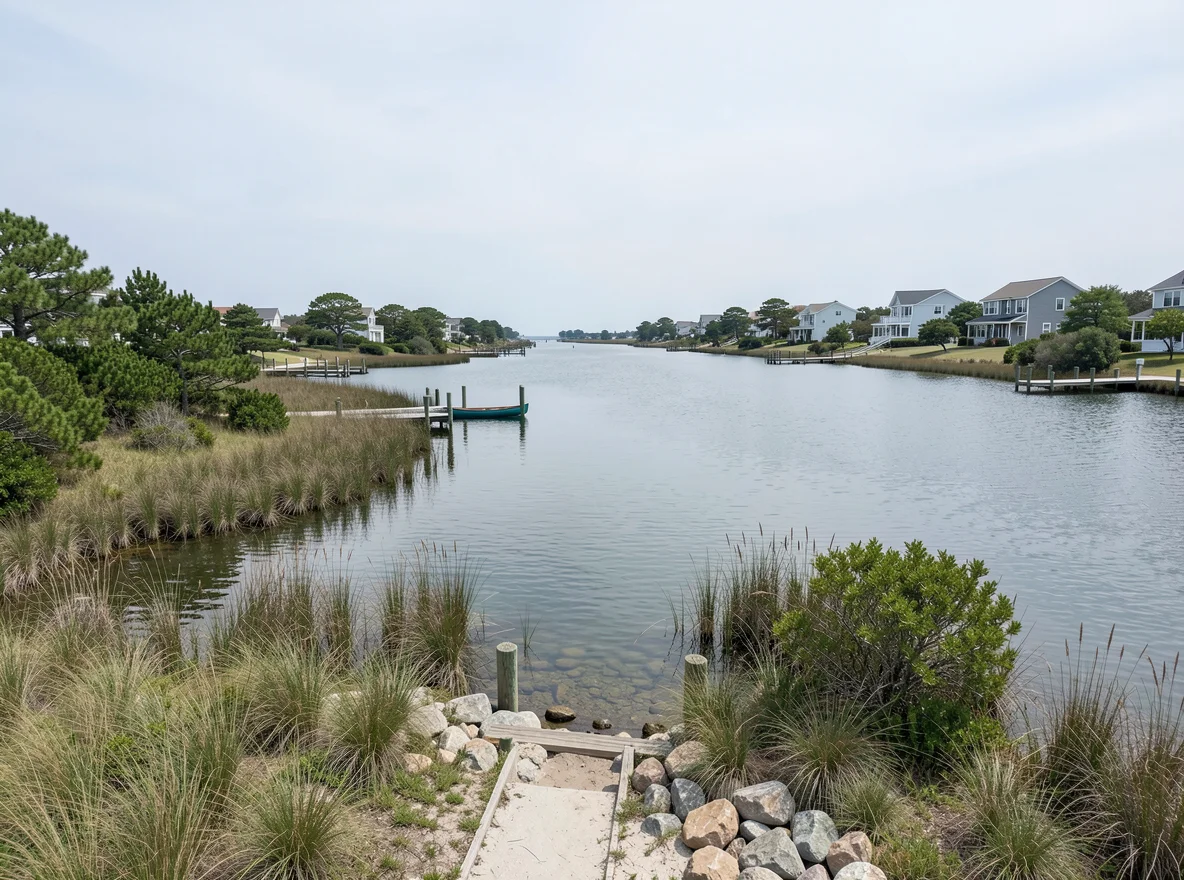
The first question is whether the home is located in a federally mapped flood zone. Your lender, insurance professional, and real estate agent can help identify the current designation, but it is wise to review the information yourself as well. If the home is financed and falls within a higher-risk zone, flood insurance may be required by the lender. Even when it is not required, some buyers choose coverage as an added layer of protection based on the property’s location, construction, and comfort level with risk.
Ask for any available elevation certificate, prior flood-insurance declarations, seller disclosures, and documentation of past water-related repairs. These records may provide useful context, though they should not replace your own due diligence. Insurance pricing can depend on details such as elevation, foundation type, machinery placement, replacement cost, deductible choice, and the selected policy. Obtain an insurance quote for the specific home before the end of your inspection or contingency period rather than estimating from a neighbor’s policy or a broad online average.
A flood-zone label is only one part of the decision. The most useful comparison is the complete monthly ownership picture: loan payment, property taxes, homeowners insurance, flood coverage, HOA or condo fees, and expected maintenance.
It is also helpful to observe the site with a practical eye. During a showing, look at the grading around the foundation, downspout discharge, driveway slope, crawlspace access, exterior vents, and signs of standing water. These details do not diagnose a property, but they can guide the questions you bring to inspectors and insurance professionals. Coastal living rewards careful preparation, especially when a home is close to marshland, canals, bays, or low-lying roads.
Build an Inspection Plan That Fits a Coastal Home
A general home inspection is an important starting point, but an Ocean View purchase may call for additional specialist evaluations depending on the home’s age, construction, systems, and location. The inspection period is your opportunity to understand the condition of the property, identify material concerns, and decide whether to request repairs, negotiate a credit, obtain further information, or move forward as planned.
For many homes in the area, buyers consider inspections or evaluations for wood-destroying insects, radon, septic systems, wells, roofs, HVAC equipment, chimneys, pools, docks, bulkheads, and moisture conditions. The right list is property-specific. A home connected to public utilities presents a different review than a home with private well and septic systems. A residence with a crawlspace may deserve particular attention to vapor barriers, insulation, ventilation, plumbing lines, structural supports, and evidence of moisture intrusion.
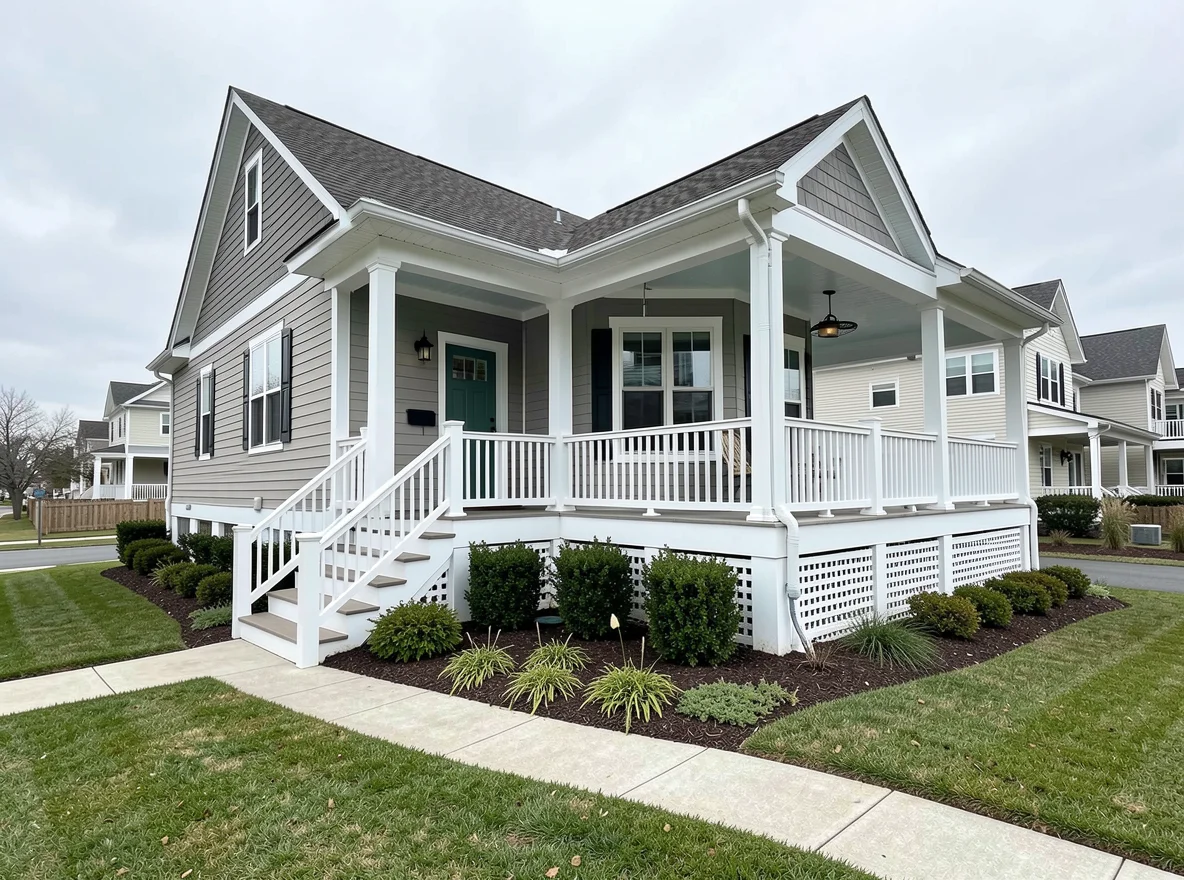
Salt air, humidity, wind-driven rain, and seasonal weather can affect exterior materials and mechanical systems over time. Ask the inspector to pay close attention to siding, trim, flashing, roof penetrations, exterior fasteners, windows, decking, railings, drainage, and visible corrosion. If the home has outdoor living areas, an experienced professional can help clarify the current condition of stairs, elevated decks, porches, and attached structures. These components are valuable parts of a beach-area property, and knowing their condition helps you budget realistically after closing.
When an inspection report arrives, focus first on health-and-safety items, major system issues, active water intrusion, structural observations, and components nearing the end of their service life. Nearly every home will have maintenance notes. A long report is not automatically a bad report; it is a roadmap for understanding the home. Your agent can help you organize questions and contract deadlines, while licensed specialists can advise on repair methods and costs where deeper review is needed.
Schedule specialty inspections early whenever possible. If a general inspector recommends further evaluation, having time to bring in the appropriate licensed professional can keep your decision process orderly.
It is equally useful to gather maintenance records from the seller. Documentation for roof replacement, HVAC servicing, septic pumping, crawlspace work, water treatment, appliance installation, pest treatment, and storm-related repairs can offer a clearer ownership history. Keep in mind that permits, warranties, and transferable service plans may have their own terms, so review them before relying on them in your post-closing budget.
Understand Closing Costs Before You Write the Offer
Closing costs are the collection of expenses required to complete the purchase beyond the down payment. They may include lender charges, appraisal fees, credit and title-related services, settlement services, recording fees, prepaid interest, initial escrow deposits, homeowners insurance, flood insurance when applicable, and property-tax adjustments. The exact mix depends on the loan program, contract terms, timing of closing, insurance choices, and the property itself.
Rather than treating closing costs as a single estimate, ask for a line-by-line view early in the process. If you are financing, your lender can provide a Loan Estimate that outlines anticipated loan costs and other charges. Your settlement provider can explain title and recording items, and your insurance professional can clarify the premium and payment schedule for homeowners and flood coverage. Reviewing these pieces together makes it easier to understand the cash needed to close.
In Delaware, local practice and the purchase agreement determine which party pays particular costs, and those terms can be negotiated within the contract. Seller concessions, lender credits, and rate choices may change the numbers, but each option should be weighed against the full financial picture. A credit that reduces cash due at closing may be helpful, while a different loan structure may affect the monthly payment or long-term borrowing cost. There is no universal best choice—only the option that fits your goals and budget.
Estimate a monthly home payment
Do not forget the costs that begin immediately after settlement. Moving, utility transfers, furniture, maintenance supplies, reserve funds, and any planned improvements should all be considered. If the home is part of a homeowners association or condominium association, review the resale documents, budget, rules, insurance responsibilities, reserve information, and any known assessments within the required review period. Association fees are not simply another monthly line item; they can shape how shared amenities, exterior maintenance, and community operations are handled.
Move Forward With a Clear Coastal-Buying Checklist
A successful Ocean View purchase is built on good questions asked at the right time. Confirm flood information and insurance options before removing contingencies. Use qualified inspectors to understand the structure and systems. Review lender and settlement estimates carefully, then leave room in your budget for routine ownership and the occasional unexpected repair.
That preparation gives you more than a smoother closing. It gives you a practical understanding of the home you are buying and the costs that come with enjoying it over time. Whether you are considering a year-round residence, a beach retreat, or an investment property, a focused due-diligence process can help you approach the Ocean View market with clarity.