
A strong Lewes listing starts well before the photographer arrives. Use this checklist to prioritize repairs, stage rooms with purpose, and prepare coastal features for photos that reflect the home buyers will see in person. A little planning can help you spend your preparation budget where it matters most.
Start with a Walk-Through and a Plan
Before buying accent pillows or booking a photo session, walk through your home as though you are seeing it for the first time. Start at the curb, enter through the front door, and make notes about anything that interrupts the experience: a sticking door, a dim hallway, a crowded counter, or a patch of peeling paint. Then repeat the exercise outside, including the porch, deck, storage areas, and any outdoor shower.
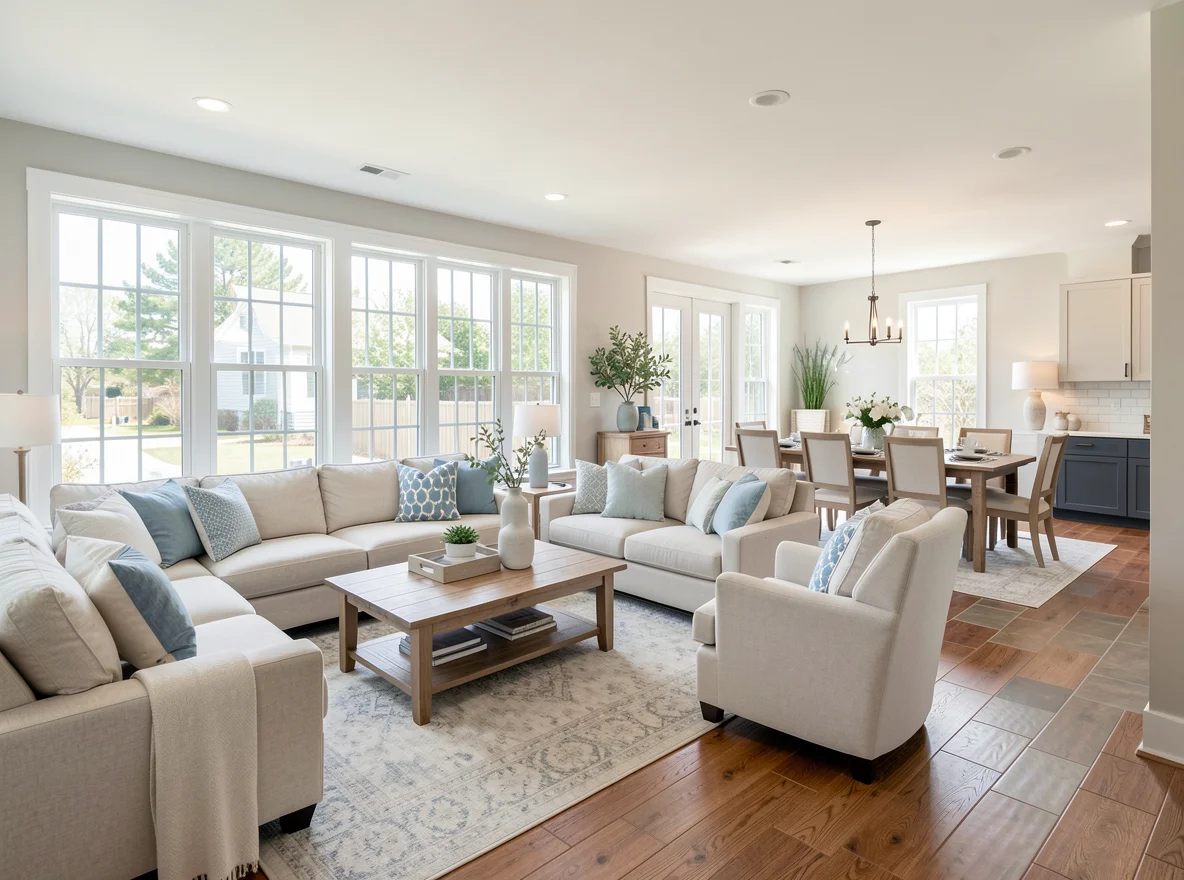
Sort your list into three categories: repairs that affect function or condition, cosmetic improvements, and finishing touches. A working window or a corrected plumbing leak generally deserves attention before decorative accessories. Ask your real estate professional for a second perspective on which projects are most relevant to your price range and the homes buyers may be comparing with yours.
Build in time for estimates, contractor schedules, cleaning, and any unexpected discoveries. If your property is a seasonal home or rental, check the calendar before scheduling work and photography. Preparing between stays can be more complicated than it looks when linens, supplies, and personal belongings need to be moved in and out.
Schedule listing photos after repairs, staging, and the final cleaning—not before. A beautiful room can still be undermined by visible unfinished work.
Keep a folder for receipts, warranties, permits, and maintenance records as projects are completed. These documents do not replace inspections or required disclosures, but they can help you answer questions about the work and its timing. If a project will not be completed before listing, discuss how to handle it with your agent rather than assuming it will go unnoticed.
Tackle Repairs That Buyers Can See and Feel
Start with the basics: test light switches, faucets, appliances, locks, windows, and interior doors. Replace burned-out bulbs, repair loose hardware, address dripping fixtures, and touch up scuffed paint where practical. These small corrections help the home feel cared for during both photography and showings.
Coastal conditions can make exterior maintenance especially important. Look for weathered paint, corroded hardware, damaged screens, loose deck boards, and signs of moisture around doors and windows. A qualified contractor can help determine whether a problem is cosmetic or needs a more substantial repair. Avoid covering up stains or deterioration without finding and addressing the source.
For larger questions involving the roof, HVAC, electrical system, plumbing, or foundation, consider getting a professional assessment before deciding what to repair. You may also choose to obtain a pre-listing inspection, but review its cost and implications with your agent. Sellers should discuss applicable Delaware disclosure requirements and any known property conditions with their real estate professional or attorney.
A major renovation is not automatically the best choice. Compare the expense, timeline, and disruption with the likely benefit, and consider whether a clean, functional space and a realistic asking price may be more practical. Your agent can help you evaluate recent comparable sales, although no improvement guarantees a particular return.
Stage Rooms for Space, Light, and Easy Movement
Staging is less about making a home look unfamiliar and more about helping its layout make sense at a glance. Remove excess furniture, clear pathways, and give each room a recognizable purpose. A spare room might be presented as a guest space, office, or flexible room, depending on its size and existing features.
In the kitchen, put away countertop appliances you do not use daily, clear the refrigerator door, and leave a few simple accents. In bathrooms, store toiletries, hang fresh towels, and clean mirrors and fixtures. For bedrooms, use neatly fitted bedding and reduce visible clutter around nightstands and dressers.
Let the architecture do some of the work. Open blinds where the view and light are appealing, clean windows, and use consistent light-bulb colors within a room. If the home has a fireplace, built-ins, screened porch, or attractive connection to an outdoor area, arrange furnishings so those features are easy to see and reach.
The camera sees what is left on every surface. Clear counters, cords, pet supplies, and personal papers before the photographer arrives.
Remove medications, financial documents, valuables, and personal photographs you would rather not share online. Check reflective surfaces, too: mirrors and television screens can reveal items outside the main view. For occupied properties, agree on a simple reset routine so the home can return to photo-ready condition before showings.
Prepare the Exterior for a Coastal First Impression
Online buyers often meet the property through its exterior image, so give the approach the same attention as the interior. Sweep walkways, trim overgrown landscaping, clean the front door, and move trash bins and hoses out of sight. Fresh mulch or a few well-maintained planters can add polish without requiring a complete landscape redesign.
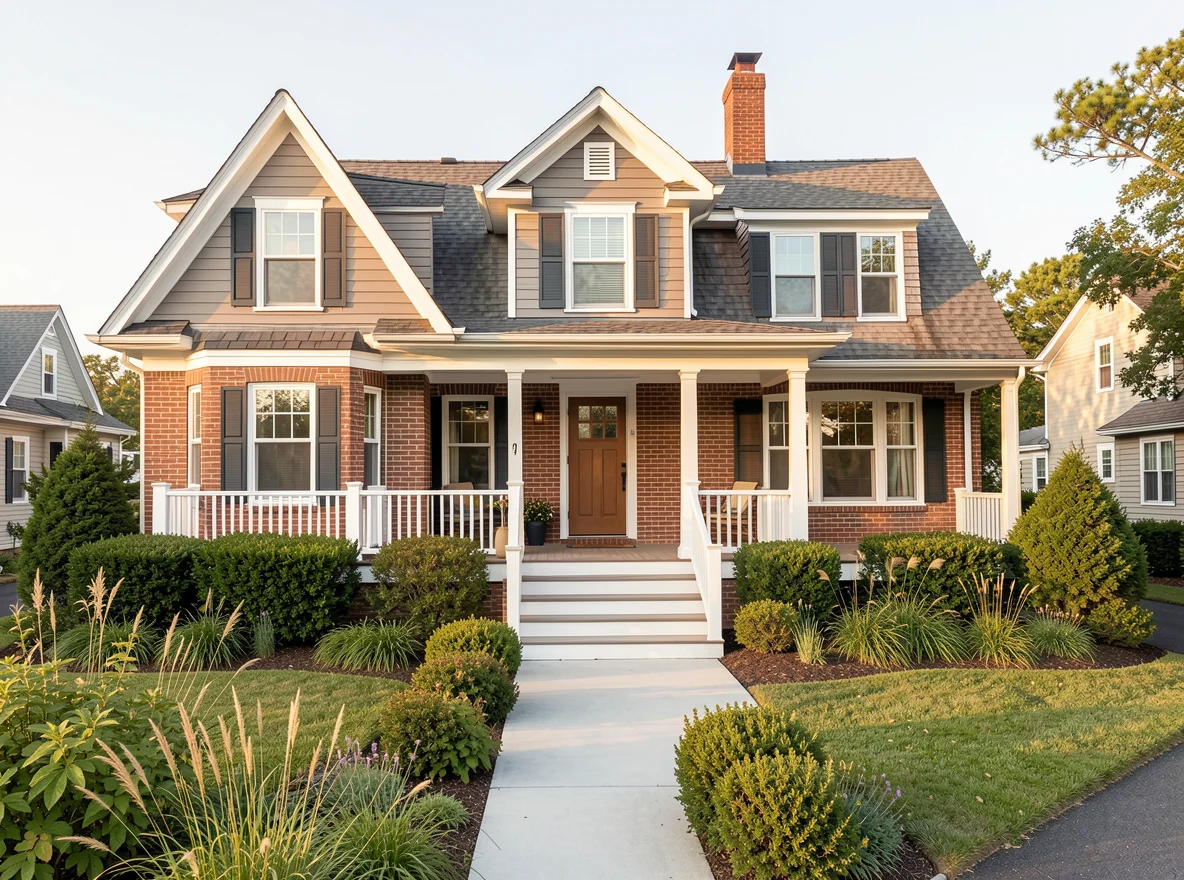
Give outdoor living spaces a clear purpose. Arrange clean seating on a porch or patio, straighten cushions, and remove weather covers when conditions allow. If there is an outdoor shower, storage shed, or garage, tidy those areas as well; useful features are easier to appreciate when buyers can see how they function.
For a property near water, make sure photographs distinguish the home’s actual setting from nearby amenities. A view, water access, dock, beach access, or community facility should be described accurately, including any relevant ownership, association, or access restrictions. Ask your agent to verify the details rather than relying on assumptions or an old listing.
Rain, wind, and changing light can affect the photo schedule, especially for exterior images. Plan for a possible weather adjustment and keep the property ready for a return visit if needed. A photographer may suggest the best time of day for the home’s orientation, but the goal remains an accurate presentation rather than a misleading transformation.
Make Photo Day and Listing Launch Easier
Confirm the photographer’s arrival time and ask your agent what is included: interior and exterior images, floor plans, aerial photography, or a virtual tour. Not every property needs every service. Choose the tools that communicate the home’s layout and features clearly, and make sure any aerial work follows applicable rules and respects neighboring properties.
Before the appointment, open interior doors, turn on appropriate lights, make beds, put toilet seats down, and remove vehicles from the driveway. Secure pets and arrange to be away during the session if possible. Review the finished images with your agent for accuracy, and flag anything that could misrepresent a view, room, boundary, or feature.
Once the property is ready, pair the presentation with a pricing strategy grounded in current comparable sales and competing listings. Your preparation choices, location, condition, and the market at launch all play a part; attractive photos alone cannot determine the outcome.
Finally, keep your checklist handy after the listing goes live. A quick sweep, clear counters, and a check of lights and outdoor spaces can help maintain the same impression from the first online view through the next showing. For guidance on prioritizing projects and coordinating your Lewes sale, start a conversation before committing to the work.