
A successful Lewes home purchase starts long before closing day. Getting financing in order, understanding inspection deadlines, and investigating coastal insurance costs can help you make decisions with fewer surprises. Here’s how the steps fit together, from your first lender conversation to receiving the keys.
Start with your financing and priorities
Before touring homes near the Delaware Bay or farther inland, take a close look at the numbers behind your search. A lender can review your income, assets, debts, and credit history to help determine a potential loan amount. That conversation also gives you a chance to discuss down payment options, estimated closing costs, and the monthly payment you are comfortable carrying.
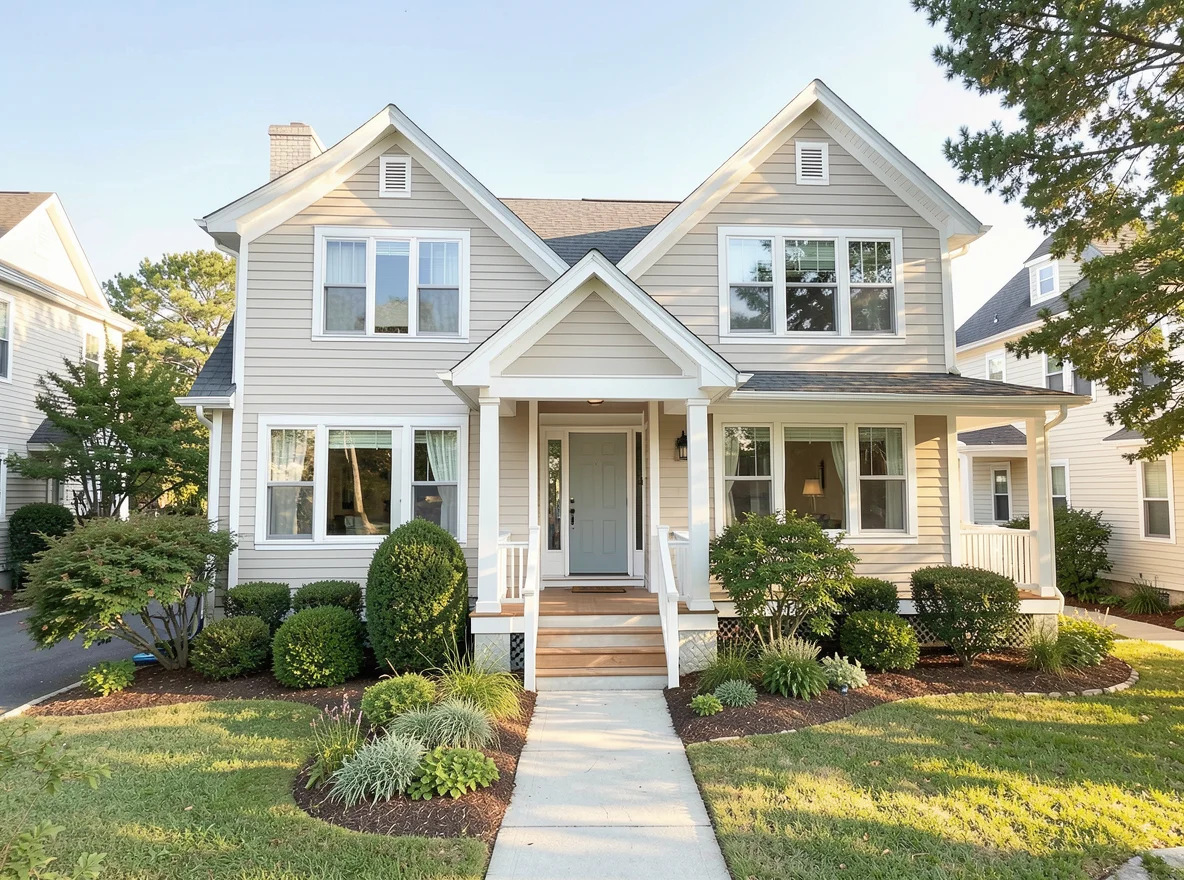
A preapproval is more useful than a quick online estimate because it generally involves a closer review of your finances. Ask the lender which documents are needed and whether your preapproval is subject to additional verification. It is not a final loan commitment: the property, appraisal, and updated financial information will still need to satisfy the lender’s requirements.
Build your budget around more than the purchase price. Property taxes, homeowners insurance, potential flood insurance, utilities, maintenance, and any homeowners association or condominium fees can all affect the monthly cost. If you are considering a property with rental income in mind, ask the lender how that intended use affects financing and verify any applicable rental restrictions before relying on projected income.
As you define your search, consider how you want to use the home and which features matter most: proximity to the bay, access to Cape Henlopen State Park, a particular layout, or room for visiting guests. Compare those priorities with the total cost of ownership. Homes with similar list prices can have different insurance premiums, association fees, and maintenance needs.
Make an offer with the calendar in mind
Once you find a property, your offer establishes more than a price. It may also address the deposit, financing and inspection contingencies, proposed settlement date, and other terms. Your agent can help you compare recent relevant sales and discuss a strategy based on the property and current conditions, rather than assuming every Lewes listing will attract the same level of interest.
Read the proposed deadlines carefully before signing. The time allowed to apply for financing, complete inspections, review documents, or respond to findings can be different from one contract to another. Some deadlines may begin when the contract is fully executed; others may be calculated differently. Ask your agent and attorney to explain how each date is counted and what action is required.
Put every contract deadline on your calendar as soon as the offer is accepted. An inspection appointment is only one part of the process—you may also need time to review the report and submit a response.
Plan for the deposit described in the agreement and confirm where and when it must be delivered. If the purchase depends on selling another property, discuss that situation before making an offer so the timing and any related contingency are clear. A closing date should give the lender, inspectors, insurer, and settlement professionals enough time to complete their work.
After acceptance, keep your financial picture as consistent as possible. A new loan, large credit purchase, job change, or unusual deposit may prompt additional lender questions. When in doubt, check with your loan officer before making a significant financial move, and respond promptly to requests for updated documents.
Schedule inspections and investigate the property
The inspection period is your opportunity to learn how the property functions and identify issues that may need further evaluation. Arrange a general home inspection promptly, then review the report with your agent. Depending on the property and contract, you may also want to discuss specialized inspections for pests, HVAC systems, roofs, wells, septic systems, or other features.
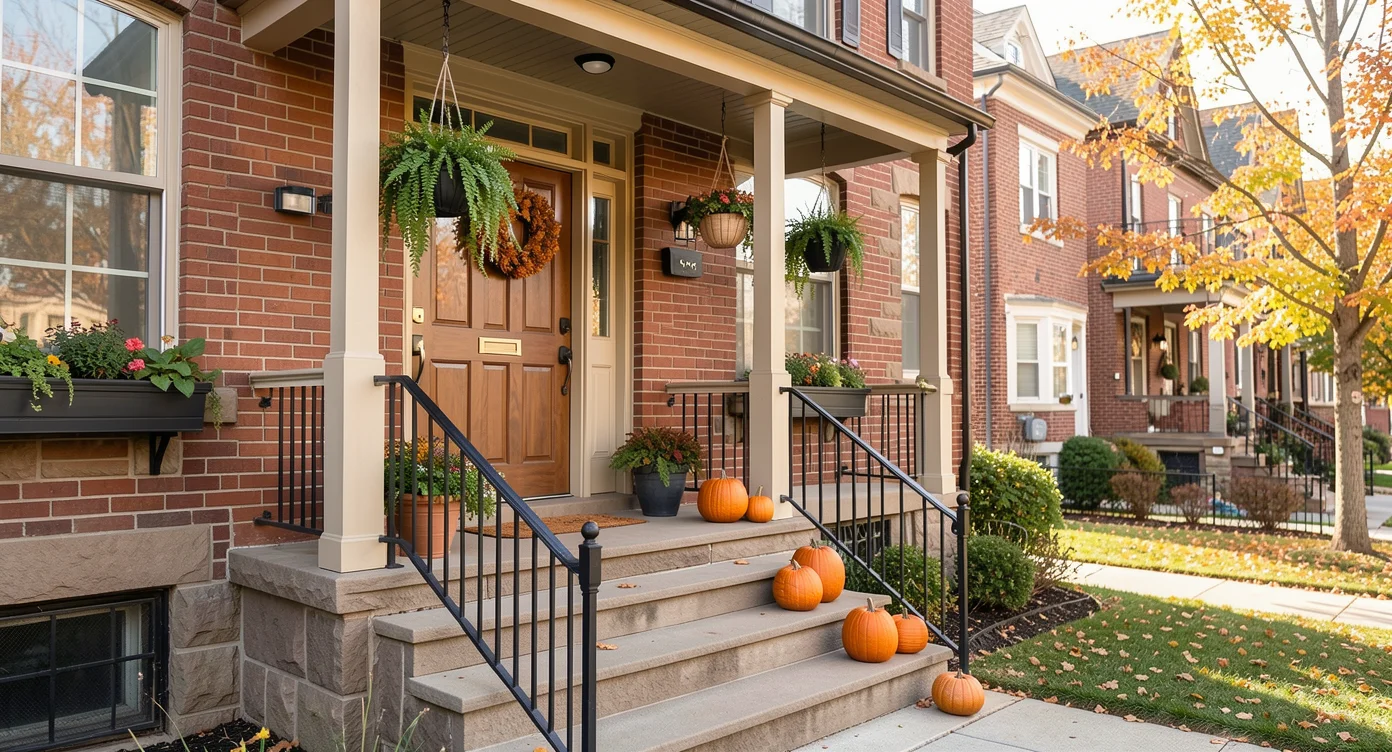
Pay attention to the age and condition of major systems, signs of moisture, drainage around the home, and any maintenance the inspector recommends. Coastal conditions make it especially worthwhile to ask about exterior materials, corrosion, and past water intrusion. An inspection report is not a guarantee that every defect has been found, so seek a qualified specialist’s opinion when a concern needs a closer look.
Insurance research belongs in this stage, too. Ask an insurance professional for property-specific homeowners and flood insurance quotes, including deductibles, coverage limits, and any conditions for coverage. Flood risk and lender requirements vary by property; a home outside a high-risk flood zone can still experience flooding. Review the cost and coverage rather than assuming a standard homeowners policy covers flood damage.
For a coastal purchase, request insurance quotes early enough to evaluate both the premium and the deductible before your contract’s relevant deadlines expire.
If the home is part of an association, review the governing documents, budget, fees, and any disclosed assessments. Ask about restrictions that matter to your plans, such as exterior changes, parking, or rentals. For a condominium, discuss the association’s insurance and reserves as well as the coverage you may need for your own unit. Your agent and attorney can help you understand which documents are available and when you must respond.
After reviewing inspections and documents, decide how to proceed under the terms of your agreement. You may be able to request repairs or negotiate another resolution, but the seller is not automatically required to agree. If you need an extension or intend to exercise a contractual right, discuss the required written notice and deadline with your agent and attorney.
Move from appraisal to closing
While inspections are underway, your lender will typically continue underwriting and arrange an appraisal when required. The appraisal helps the lender assess the property’s value for the loan; it does not replace a home inspection. If the appraisal or underwriting raises a concern, your options depend on the financing terms and your contract, so discuss the next step promptly with your lender and agent.
Your settlement team will also work on title review and the documents needed to transfer ownership. Ask your Delaware real estate attorney or settlement professional about the title process, title insurance options, transfer taxes, and how closing costs will be allocated under your agreement. Confirm the amount of funds needed and the accepted payment method rather than relying on an early estimate.
For most mortgages, borrowers must receive a Closing Disclosure at least three business days before closing. Review it against your loan estimate, focusing on the interest rate, monthly payment, cash to close, and itemized costs. Ask about discrepancies immediately; certain changes can require a new waiting period. Your lender can explain the timing that applies to your loan.
Shortly before settlement, arrange a final walk-through according to your agreement. Check that the property is in the expected condition, agreed-upon repairs have been addressed, and included items remain. If something is not right, notify your agent and attorney before signing. Also independently verify wiring instructions with the settlement office using a trusted phone number; email changes to payment instructions can be a sign of fraud.
Keep the next step clear
There is no single timeline that fits every Lewes purchase. Financing, inspection results, negotiations, association documents, and the agreed settlement date all influence the schedule. The best approach is to build in room for questions, track the dates in your own contract, and stay in touch with the professionals handling each piece.
Whether you are just comparing possibilities or preparing an offer, Sandra can help you organize the local search and understand what comes next. With financing, property research, and closing details in view, you can move toward the keys with a clearer plan.