
A water view can influence a home’s price in Worcester County, but it is only one part of the value equation. Insurance, property condition, association fees, and the details of water access can make two similarly priced homes very different to own. Here’s how to compare waterfront and inland properties with a clearer picture of both price and ongoing costs.
Why location is more than a view
In Worcester County, a home search can take you from the oceanfront in Ocean City to bayside communities, residential streets around Ocean Pines, and inland properties near Berlin. Each setting offers a different mix of access, amenities, and property types. That variety is appealing, but it also means a countywide average tells you relatively little about what one particular home is worth.

Waterfront property can mean direct bay frontage, a canal-side lot, or a condominium with a view of the water. Those features are not interchangeable. A private dock, the depth of the water, the condition of a bulkhead, and the ability to reach open water may all matter to a buyer. Even the distinction between owning shoreline and having access through a community deserves a closer look.
Inland homes can offer a different set of advantages, such as a larger lot, a particular floor plan, or proximity to everyday services. Some buyers will value a shorter trip to the beach; others may give more weight to maintenance requirements or the total monthly payment. The best comparison starts with the features that matter to you, then looks at recent sales of genuinely similar properties.
A water view, deeded access, and private waterfront are three different features. Confirm exactly what a property offers before comparing its price with another home.
During the summer selling season, visit at different times when possible. Traffic, parking, natural light, and activity around a property may feel different on a weekday than on a weekend. For a home intended for seasonal use, consider what you would need to maintain or monitor when you are away, too.
What waterfront buyers should investigate
A shoreline setting can bring enjoyment as well as property-specific responsibilities. Before deciding what to offer, look beyond the listing photographs and ask about the age and condition of structures exposed to the water. An inspection can help identify concerns, but the right specialists may also be needed to evaluate a dock, seawall, bulkhead, or other feature.
Ask for available records of repairs and permits, and verify what can be maintained, replaced, or changed with the appropriate local and state authorities. If boating access matters, investigate the practical details rather than assuming every waterfront lot works the same way. Water depth, bridge clearance, and the location of a dock can affect how useful that access is for a particular vessel.
Insurance deserves an early conversation. Request property-specific homeowners and flood insurance quotes, and ask an insurance professional what each policy covers, excludes, and deducts. A lender may require flood insurance for some properties; requirements and premiums depend on the property, coverage, and lender. Even when coverage is not required, understanding the risk and available options can help you plan.
For sellers, providing available documentation about improvements, maintenance, and water-related features can help buyers evaluate the home. A dock or view may attract attention, but the condition and permitted status of the improvements can influence how confidently a buyer proceeds.
Look at the full cost of an inland home, too
An inland address does not eliminate the need for careful due diligence. Roof age, drainage, heating and cooling systems, lot maintenance, and the condition of major components all affect the cost of ownership. Insurance and flood risk should be checked for the individual property rather than assumed from its distance from the shoreline.
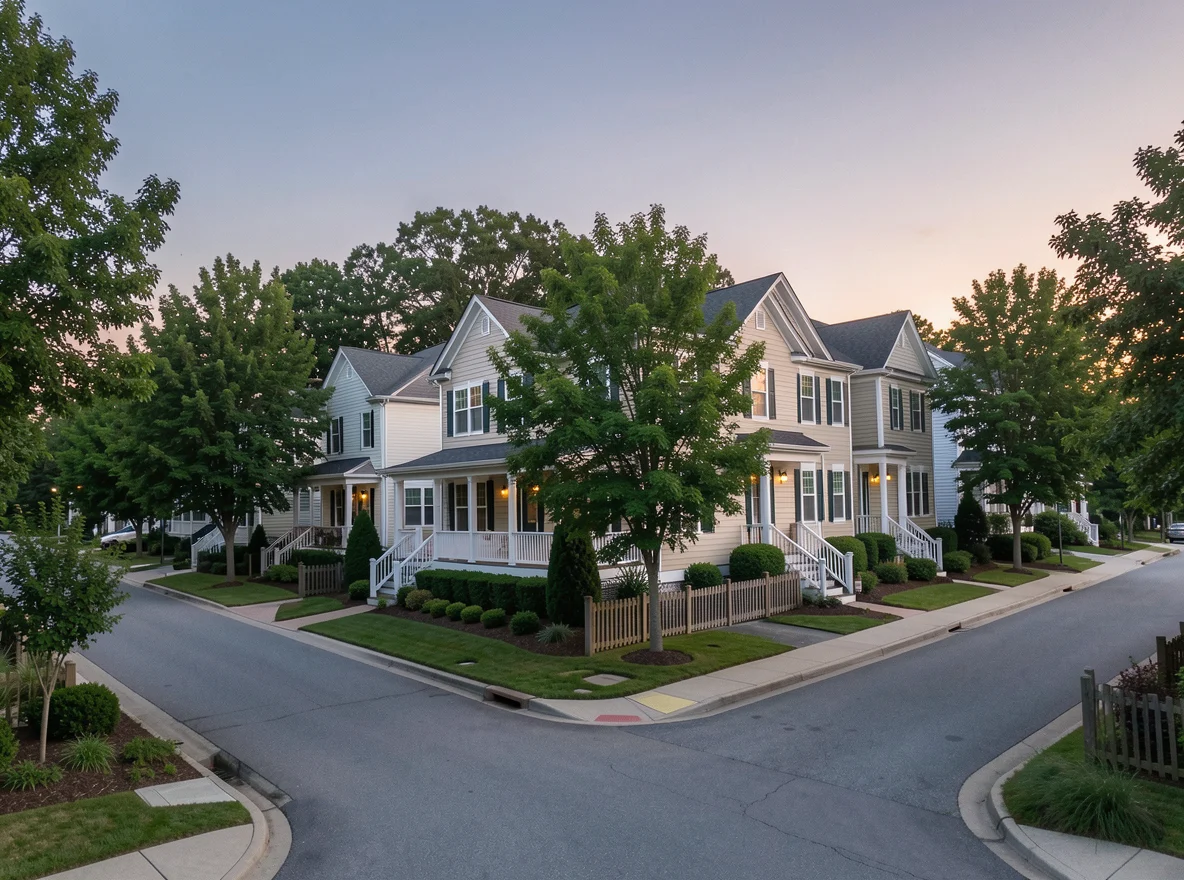
When comparing an inland property with a waterfront option, consider more than the difference between asking prices. Estimate the mortgage payment, property taxes, insurance, association dues, utilities, and a budget for maintenance. A property with a lower purchase price may have different operating costs or fewer included amenities; the reverse can also be true.
Location remains important here, just in a different way. Think about the routes you expect to use for errands, dining, recreation, and beach visits. If access to a particular school matters to your search, verify the current attendance boundary and enrollment information directly with the school system. These practical details can shape your experience of a property even though they do not appear in its square footage.
For a useful price comparison, look for recent nearby sales with similar property types, size, age, condition, and lot characteristics. A renovated house may not be directly comparable to one needing substantial work, even on the same street. Likewise, an asking price reflects what a seller hopes to receive; a closed sale offers evidence of what a buyer actually paid, subject to its specific terms.
HOA and condo fees: What are you paying for?
Association fees can affect both a buyer’s budget and a property’s marketability. They may support shared amenities, common-area maintenance, management, insurance, or other services, but inclusions vary considerably. A condominium association and a homeowners association may cover different responsibilities, so review the documents for the specific property rather than relying on a neighbor’s description.
Compare association fees alongside what they cover—not in isolation. A lower fee is not necessarily a lower ownership cost if more maintenance or insurance falls to the owner.
Request the current budget, governing documents, rules, recent meeting information, and available financial and reserve information. Ask about outstanding or planned special assessments, fee changes, and any major projects under discussion. Review rental restrictions, parking rules, pet policies, and approval requirements if those details matter to your plans. Confirm what is permitted before assuming a property can be used as a short-term rental.
For sellers, gathering these materials early can make it easier to answer questions and avoid surprises during a transaction. For buyers, a real estate professional, attorney, or other appropriate adviser can help identify questions to raise; the association or its management can clarify its current rules and charges.
A practical plan for this season
Buyers should begin with a comfortable overall budget, then compare properties using current, relevant sales and property-specific cost estimates. Ask your lender for payment scenarios and your insurance professional for quotes before committing to a number that only works on paper. If a home has an association, factor its dues and any known assessments into the calculation.
Sellers can prepare by reviewing recent competing listings and closed sales with similar features, documenting updates, and addressing visible maintenance where practical. Pricing should account for the home’s condition, location, water access, and association obligations—not just the highest nearby asking price. As conditions change, revisit feedback and current competition with your agent.
Whether you are weighing a bayfront view against an inland setting or deciding how to present your property, the most useful value estimate starts with the details. Sandra can help you examine comparable homes, identify questions to ask, and make a plan grounded in the property you are considering.