
A well-maintained home can make a stronger impression than an expensive renovation with unfinished repairs around it. In Sussex County, start with moisture control, exterior upkeep, and reliable mechanical systems, then consider cosmetic updates that suit your budget and the property. These projects can help protect resale value, although no improvement guarantees a return.
Start With the Work Buyers May Not See
It is tempting to begin with fresh countertops or a dramatic light fixture, but a home’s condition tells a story long before a buyer considers finishes. In Sussex County, humid weather, rain, and exposure to coastal air can make routine attention to roofs, drainage, and exterior materials especially worthwhile. Whether the property is near the beaches or farther inland, the best first project is often the one that prevents a small problem from becoming a larger repair.
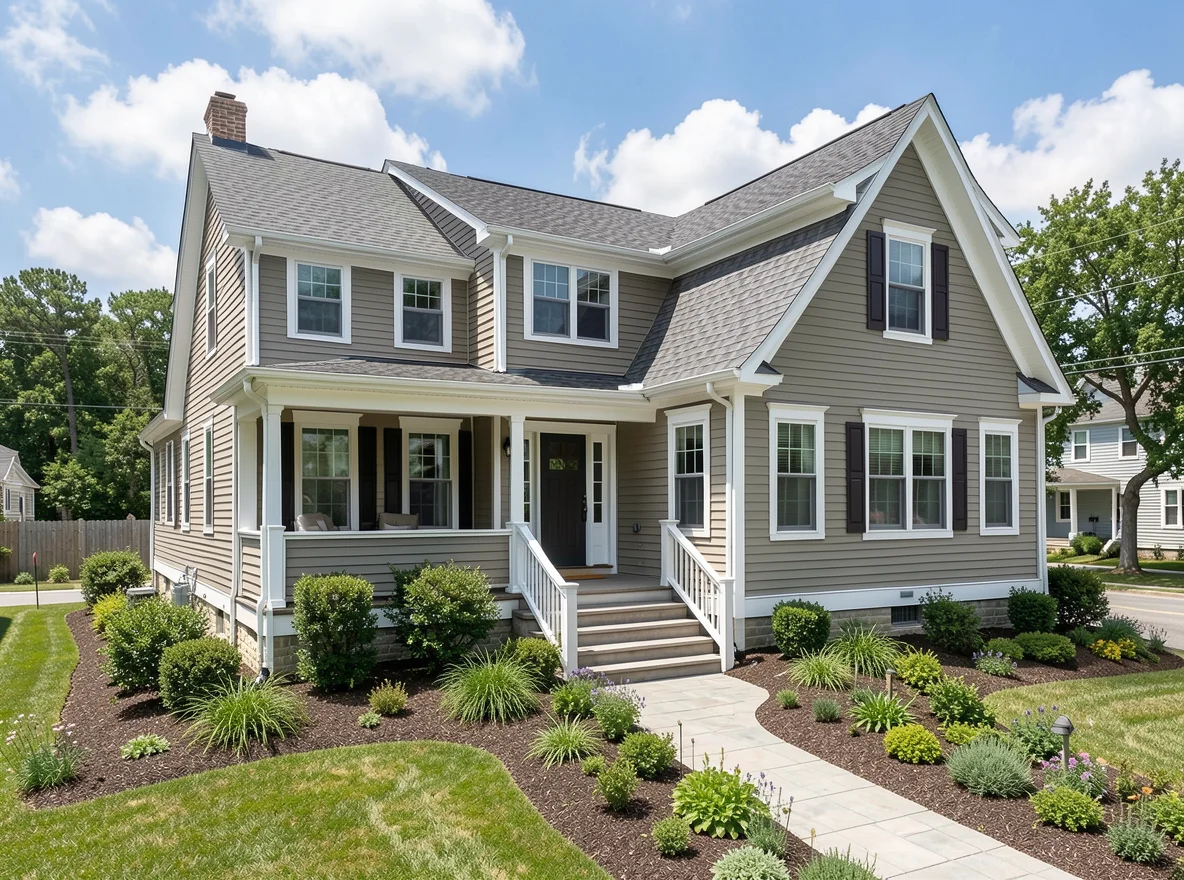
Begin with a walk around the property after a heavy rain. Look for overflowing gutters, downspouts that discharge beside the foundation, standing water, and signs that soil directs runoff toward the house. Inside, check ceilings, window surrounds, the attic, and accessible areas beneath the home for stains or musty odors. Have a qualified professional investigate signs of active moisture rather than simply covering them with paint.
Next, review the roof and exterior envelope. Missing shingles, deteriorated flashing, cracked sealant, and damaged siding can allow water in even when the rest of the home looks polished. An inspection can help distinguish routine maintenance from repairs that need prompt attention. Keep invoices and warranties together; a buyer may appreciate being able to see what was addressed and when.
Before spending on finishes, trace the source of any leak or recurring moisture. A fresh coat of paint cannot solve a drainage or roof problem.
These projects may not create a dramatic before-and-after photograph, but they can reduce uncertainty during a sale. They also give you a clearer foundation for deciding which visible improvements are worth making next.
Protect Outdoor Spaces From Wear
Decks, porches, railings, and entryways contribute to the first impression of a home, and they need regular care. Inspect exposed wood for soft spots, loose boards, and peeling finishes; check metal hardware for corrosion. Depending on the material and manufacturer’s guidance, cleaning, refinishing, or replacing damaged components may help extend their useful life.
Pay attention to doors and windows, too. Worn weatherstripping, damaged screens, and failing seals can affect comfort and appearance. A thorough cleaning and a few targeted repairs may be more sensible than replacing every window. If replacement is necessary, compare estimates and check applicable permit and homeowners association requirements before ordering.
Simple landscaping can also make the property look cared for without a major redesign. Trim vegetation away from siding, keep paths clear, and maintain a visible route to the front door. Choose plantings with their mature size and maintenance needs in mind, and avoid piling mulch against the home. The goal is an orderly exterior that supports drainage and is practical to maintain.
Keep Mechanical Systems Ready for Inspection
Heating, cooling, plumbing, and electrical systems may not be the most exciting part of a home tour, but their condition can matter during negotiations. Schedule professional HVAC service as recommended for the equipment, replace filters as appropriate, and keep records of maintenance. A service visit may identify worn components or drainage issues before they interrupt operation.
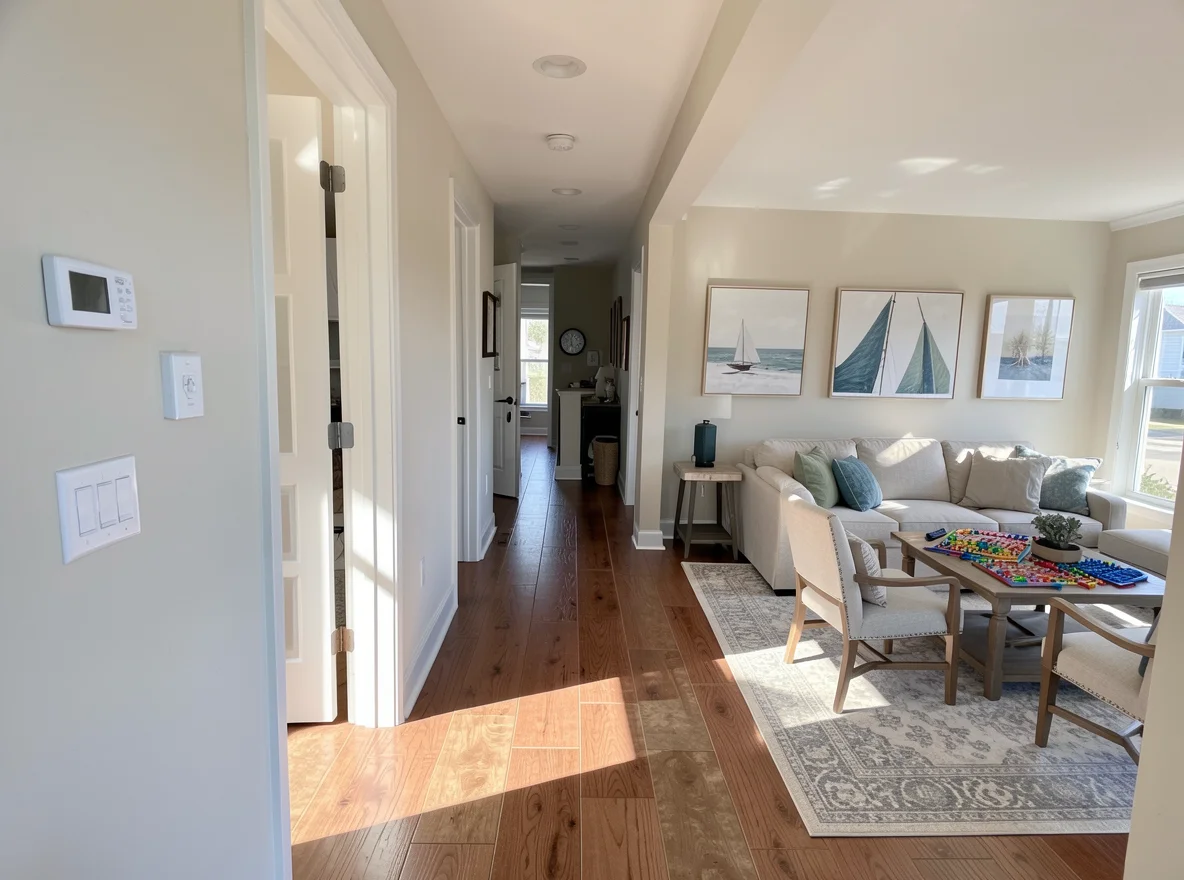
Check under sinks and around toilets, water heaters, and accessible supply lines for drips or staining. Repair persistent leaks and have a licensed professional evaluate concerns beyond straightforward upkeep. Electrical issues, including outlets that do not work or frequently tripped breakers, also deserve professional attention rather than a quick cosmetic fix.
For homes used seasonally, create a plan for periods when the property is vacant. That might include arranging periodic checks, following equipment manufacturers’ guidance, and discussing freeze protection or water shutoff procedures with a qualified professional. The right approach depends on the house and its systems.
Before listing, gather available service records, equipment ages, manuals, and transferable warranty information. Documentation does not replace an inspection or required disclosures, but it helps tell a more complete story about the property’s care. If you are buying, review the same information and use your inspection period to understand potential maintenance costs.
Choose Updates With the Whole Home in Mind
Once essential repairs are handled, look for improvements that make everyday spaces feel clean and functional. Fresh paint in a broadly appealing color, repaired drywall, updated cabinet hardware, and consistent lighting can refresh rooms without the cost of a full remodel. In kitchens and bathrooms, address worn caulk, damaged surfaces, and ventilation concerns before choosing decorative upgrades.
A larger renovation may make sense if a space is severely dated, damaged, or no longer functions well for your needs. Still, project costs and resale results vary by property and market conditions. Compare contractor estimates, allow for unexpected repairs, and consider how long you expect to enjoy the work. Avoid assuming that every dollar spent will be recovered at closing.
A modest refresh can be a useful alternative to a full renovation when the layout and major components are already in good condition.
Before committing to expensive finishes, ask for a local perspective on comparable homes and the features buyers are seeing at a similar price point. The right scope for one property may be too much—or too little—for another.
Make a Practical Plan Before Selling
Walk through the home as a buyer might: approach the entry, open doors and windows, look at ceilings, and note anything that feels unfinished. Sort the list into three groups: urgent repairs, routine maintenance, and optional improvements. Obtain estimates for significant work, and ask contractors about timing, permits, and any required inspections. If your property is in an association, check its rules before changing exterior features.
For homes in areas where flooding or storm exposure is a concern, review property-specific risks and insurance options with appropriate professionals. Do not assume that a neighboring property’s coverage or experience applies to yours. Buyers should also review inspection findings, seller disclosures, and relevant insurance information before deciding which future projects belong in their budget.
Thoughtful maintenance is not about making every home look new. It is about addressing problems, documenting work, and presenting the property honestly. Sandra can help you consider which preparations may make sense for your Sussex County home and your plans for selling.