
A home inspection can reveal maintenance needs, potential defects, and questions worth answering before you buy a Salisbury home. The report is also a starting point for a practical conversation about repairs, credits, and next steps. Knowing your contract deadlines and focusing on significant findings can make that conversation more productive.
What a home inspection can tell you
A Salisbury home may look ready to move into, but its roof, drainage, electrical system, and other components deserve a closer look. A general home inspection gives buyers an opportunity to learn about visible, accessible conditions and plan for maintenance. For sellers, understanding the process can help make a repair request easier to evaluate.
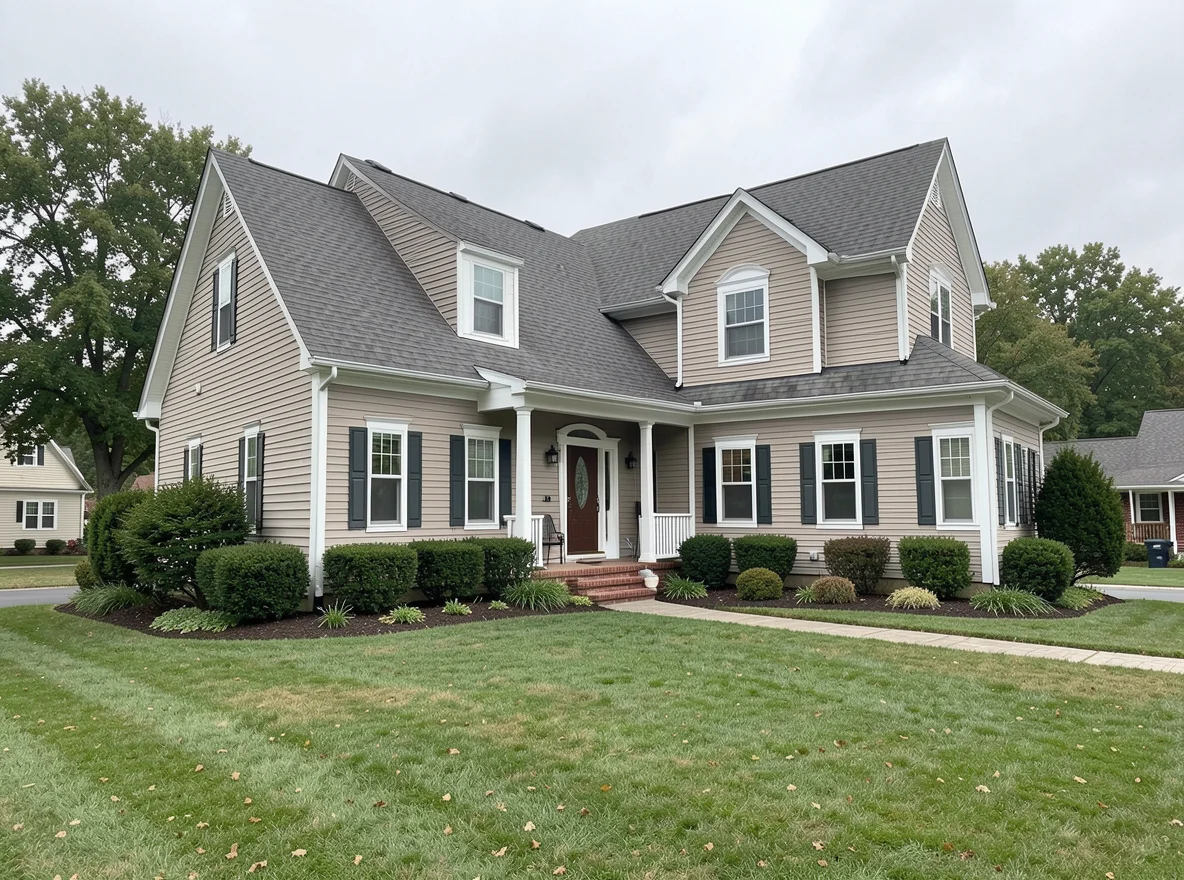
An inspector generally examines readily accessible parts of the home and provides a written report. The inspection is a snapshot, not a guarantee that every hidden problem has been found. Inspectors typically do not open walls or dismantle equipment, and a general inspection may not include every specialized test a buyer wants.
Before scheduling, ask what the inspection covers, when the report will be available, and whether you can attend. Being present can help you understand where shutoffs are located, how systems operate, and which observations deserve prompt follow-up. Confirm fees and the inspector’s qualifications directly.
Schedule early enough to receive the report, obtain specialist opinions if needed, and submit any response before the deadline in your contract.
Look at the inspection alongside the seller’s disclosures and other information available about the property. If records are incomplete or an answer is unclear, ask questions rather than assuming that a recent-looking update was permitted or professionally installed.
Findings worth a closer look
Every property is different, and an inspection report may include both ordinary upkeep and more consequential concerns. The following are examples of issues an inspector might identify, not a prediction about any particular Salisbury home.
Water, drainage, and the exterior
Staining, dampness, missing gutter extensions, or grading that directs water toward the foundation can point to a need for further investigation. Ask whether the observation appears active, where water may be entering, and what type of contractor should assess it. A stain alone does not establish the cause or cost of a repair.
Roofing and structural components
Roof wear, damaged flashing, or signs of movement in a foundation can warrant more attention. An inspector may recommend a roofer or structural professional when a condition is outside the scope of a general inspection. Age matters, but condition and available documentation matter too.
Plumbing, electrical, and heating and cooling
Leaks, aging equipment, improper electrical connections, and systems that do not operate as expected are common categories in inspection reports. A specialist can help determine the urgency and scope of a concern. Ask about service records and the expected maintenance needs of major equipment, rather than assuming an older system must immediately be replaced.
Depending on the property and contract, buyers may also consider separate evaluations for wood-destroying insects, radon, a private well, or a septic system. These are not automatically part of every general inspection. Discuss appropriate tests, access, costs, and turnaround times with your agent and inspection professionals.
Turn the report into a plan
A lengthy report can feel overwhelming because inspectors document small defects as well as major concerns. Start by separating immediate or potentially significant issues from routine maintenance and cosmetic preferences. Then ask the inspector to explain anything you do not understand.
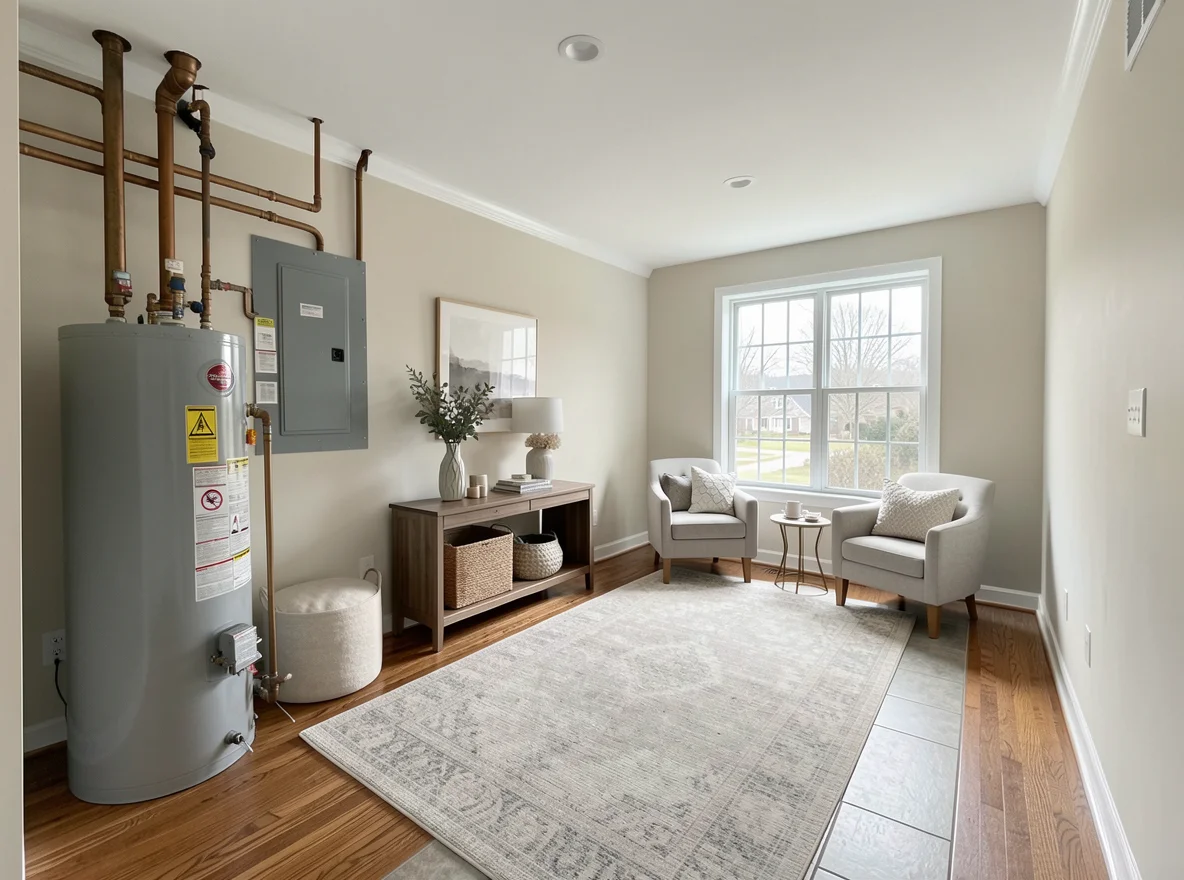
For a potentially expensive issue, consider requesting an evaluation and written estimate from a qualified contractor. An inspection report identifies conditions; it may not establish the full repair method or price. If access, weather, or timing prevented an area from being examined, ask what additional information can reasonably be obtained before your deadline.
A contractor’s estimate can make a repair discussion more concrete, but check the contract timeline before arranging follow-up visits.
Keep your financing in view as well. An appraisal is different from an inspection, and a lender or loan program may have its own property-condition requirements. If a finding could affect financing, discuss it promptly with your lender and agent. Ask whether a proposed seller credit is permitted and how it would be applied at closing.
Buyers should also consider what they can manage after closing. Even when no major defect is identified, a reserve for routine maintenance and unexpected repairs is useful. The goal is not a flawless report; it is a clearer understanding of the home and the costs you are prepared to take on.
How repair negotiations can work
The options available depend on the purchase agreement and any inspection contingencies. A buyer might request that the seller complete specified work, propose a credit toward allowable closing costs, ask for a price adjustment, accept the property as it is, or explore other rights provided by the contract. Neither a request nor a response is guaranteed to be accepted.
Prioritize the issues that matter most and support the request with relevant report excerpts or estimates. For work to be completed before closing, consider specifying who will perform it, the expected scope, when it must be finished, and what documentation will be provided. Your agent can help put the agreed terms in writing; consult an attorney for legal advice about the contract.
A credit may give the buyer more control over work after closing, while a seller-performed repair may resolve an issue sooner. Either approach has trade-offs. Confirm lender limits on credits, allow time for the work, and avoid relying on verbal promises.
Discuss your inspection questions with Sandra
A practical approach for sellers
Before listing, sellers can gather available service records, receipts, warranties, and information about known property conditions. Addressing ordinary maintenance and providing access to the attic, utility areas, and major equipment can make the inspection more efficient. A pre-listing inspection is an option, though sellers should discuss its cost and any disclosure obligations with their agent or attorney.
When a request arrives, review the underlying findings and estimates rather than reacting to the length of the list. Consider the significance of each issue, the time available before closing, and the terms already in place. A measured response may include agreeing to some items, offering an alternative, or declining a request.
Keep the closing timeline moving
Once both sides agree, keep copies of amendments, invoices, and any transferable warranties. Buyers can discuss a final walk-through with their agent to check the property’s condition and confirm agreed work, but a walk-through is not a substitute for a professional reinspection when one is warranted.
Inspection results are useful information, not a verdict on a home. With a clear timeline, qualified follow-up, and realistic priorities, buyers and sellers can make informed decisions and move toward closing with fewer unanswered questions.