
A successful Ocean Pines listing starts before the photographer arrives. Prioritize repairs that build buyer confidence, make rooms easy to appreciate, and set a price grounded in comparable sales. This checklist helps you decide where to spend your time and what to gather before your home goes on the market.
Start With a Walkthrough and a Repair Plan
Before making a list of upgrades, walk through your home as if you were seeing it for the first time. Begin at the curb, move through each room, and finish with the garage, yard, and any outdoor living areas. Look for small distractions as well as maintenance concerns: a sticking door, a stained ceiling, peeling trim, or a faucet that drips can leave buyers wondering what else needs attention.

Separate the list into three categories: necessary repairs, cosmetic improvements, and optional projects. Address active leaks, electrical concerns, and other significant defects with qualified professionals. Then consider modest improvements such as fresh caulk, clean windows, working light fixtures, and touch-up paint. Keep receipts and warranties so you can explain what was done and when.
For a coastal-area property, pay particular attention to moisture and exterior wear. Check gutters and drainage, inspect decks and railings, and look for signs of water intrusion around windows, doors, and crawl spaces. If you notice a concern, have it evaluated rather than covering it up. A pre-listing inspection can help identify issues early, though it is an expense to discuss with your agent before scheduling.
A fresh coat of paint can improve a room’s appearance, but it should never conceal an unresolved leak. Fix the source of moisture first and keep documentation of the work.
Not every dated finish needs replacing. Before committing to a kitchen renovation or other major project, compare its likely cost and timeline with the condition of competing homes. Sandra can help you consider whether a repair, a simpler refresh, or pricing that reflects the home’s current condition makes more sense for your circumstances.
Gather the Details Buyers Will Ask About
A well-organized file makes it easier to answer questions and prepare required paperwork. Collect available information about the roof, heating and cooling system, appliances, improvements, permits, and service history. If the property has a dock, bulkhead, or other waterfront feature, gather any relevant records and ask your agent which details buyers may need to verify.
Also review your property’s association documents and current costs. Ask the Ocean Pines association or the appropriate management office about applicable fees, resale documents, rules, and any pending assessments. Requirements and amounts can change, so confirm the information for your particular property instead of relying on an old listing or a neighbor’s paperwork.
Insurance and flood-related questions may also arise. Have your current policy information available for reference, but avoid assuming a buyer will receive the same coverage or premium. Buyers should obtain their own insurance quotes and verify flood-zone information. Discuss Maryland’s applicable disclosure requirements with your agent, and answer questions accurately rather than guessing when you are unsure.
Stage for Light, Space, and Everyday Function
Once repairs are underway, turn to the way the home feels in photographs and in person. Start with a thorough cleaning, remove excess furnishings, and clear surfaces without stripping away all warmth. The goal is to make the layout easy to understand and let buyers notice features such as natural light, storage, and connections between indoor and outdoor spaces.
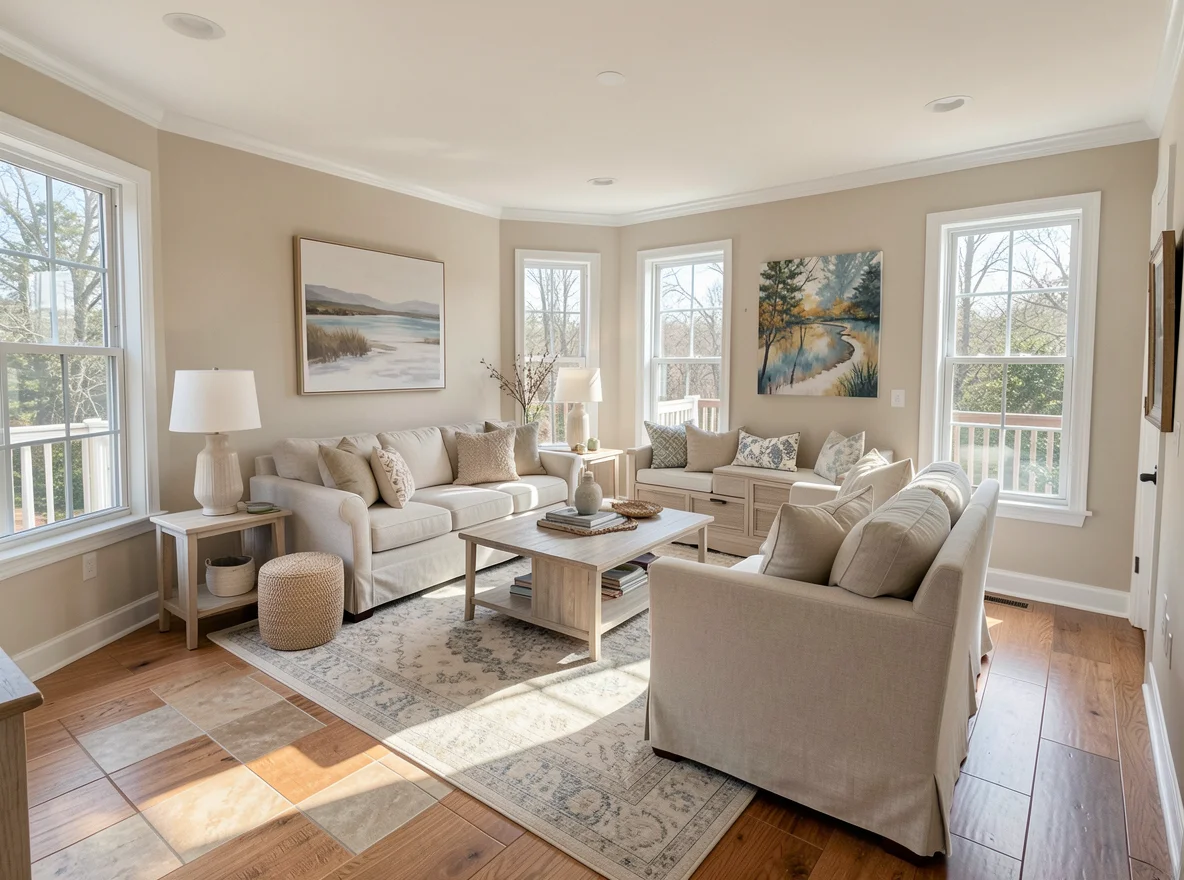
Give each room a clear purpose. Arrange the living area to show a comfortable conversation space, simplify the kitchen counters, and make beds neatly. In a spare room, a desk or seating area can suggest flexibility without limiting how a buyer might use it. Open blinds where appropriate, replace burned-out bulbs, and choose consistent lighting to help rooms feel cohesive.
Outside, trim overgrown landscaping, sweep the entry, and clean patios or decks. If there is an attractive outdoor sitting area, a few well-kept pieces of furniture can help show its scale. Keep walkways clear and repair loose steps or railings before showings. On photography day, put away bins, hoses, and seasonal clutter so the property’s features remain the focus.
Staging does not have to mean buying a houseful of new furniture. Sometimes rearranging what you own and temporarily storing a few pieces is enough. Ask for an objective second look before photos are scheduled; a small change in furniture placement can make a room’s circulation much easier to see.
Build a Price Around Today’s Competition
Your asking price should reflect more than what you paid, what you have invested, or what a nearby home once listed for. Review recent comparable sales with your agent, along with active listings and homes that did not sell. Consider location, property condition, size, updates, lot characteristics, and any waterfront features. A similar-looking home may have important differences that affect its value.
Pay attention to the range of prices buyers will see when they search. An initial price that does not match the home’s condition and the current competition can limit interest, while a well-supported price gives the listing a clearer position from the start. Market conditions change, so revisit the comparison close to launch rather than relying on figures gathered months earlier.
Active listings show what sellers are asking; closed sales show what buyers actually paid. Both are useful, but neither should be considered without adjusting for differences between properties.
Talk through your priorities before choosing a number. Your timing, the work you are willing to complete, and your tolerance for negotiations all matter. A pricing discussion should also include a plan for reviewing showing feedback and market response after the listing goes live.
Make a Launch and Showing Checklist
Before the listing is published, confirm the photography date, property description, showing instructions, and preferred communication plan with your agent. Review the listing details for accuracy, including room information, features, and association-related costs. Remove valuables and personal documents, secure medications, and decide where pets will be during appointments.
Prepare a simple routine for each showing: open blinds, turn on lights, clear counters, empty trash, and leave the home comfortably accessible. If the property is vacant or used seasonally, arrange for regular checks and maintenance while it is listed. Keep important records handy so you can respond promptly when a buyer asks a question or makes an offer.
Thoughtful preparation does not require perfection. It means understanding your home’s condition, presenting its strengths honestly, and entering the market with a plan. Sandra can help you prioritize the work and discuss a pricing and staging strategy tailored to your Ocean Pines property.