
A promising rental in Selbyville is more than a home with an attractive asking price. Compare realistic income, community rules, financing, and coastal ownership costs before deciding whether the numbers work. A simple property-by-property analysis can help you see the difference between an appealing listing and a purchase that fits your goals.
Start With the Way You Plan to Use the Home
A property in the Selbyville area can offer access to southern Delaware’s coastal attractions while sitting within a market that includes a variety of home styles and communities. But a home purchased for occasional personal use and seasonal rentals needs a different financial plan from one intended for a year-round lease. Decide how often you might use the property yourself, how much management you want to handle, and how long you expect to own it.
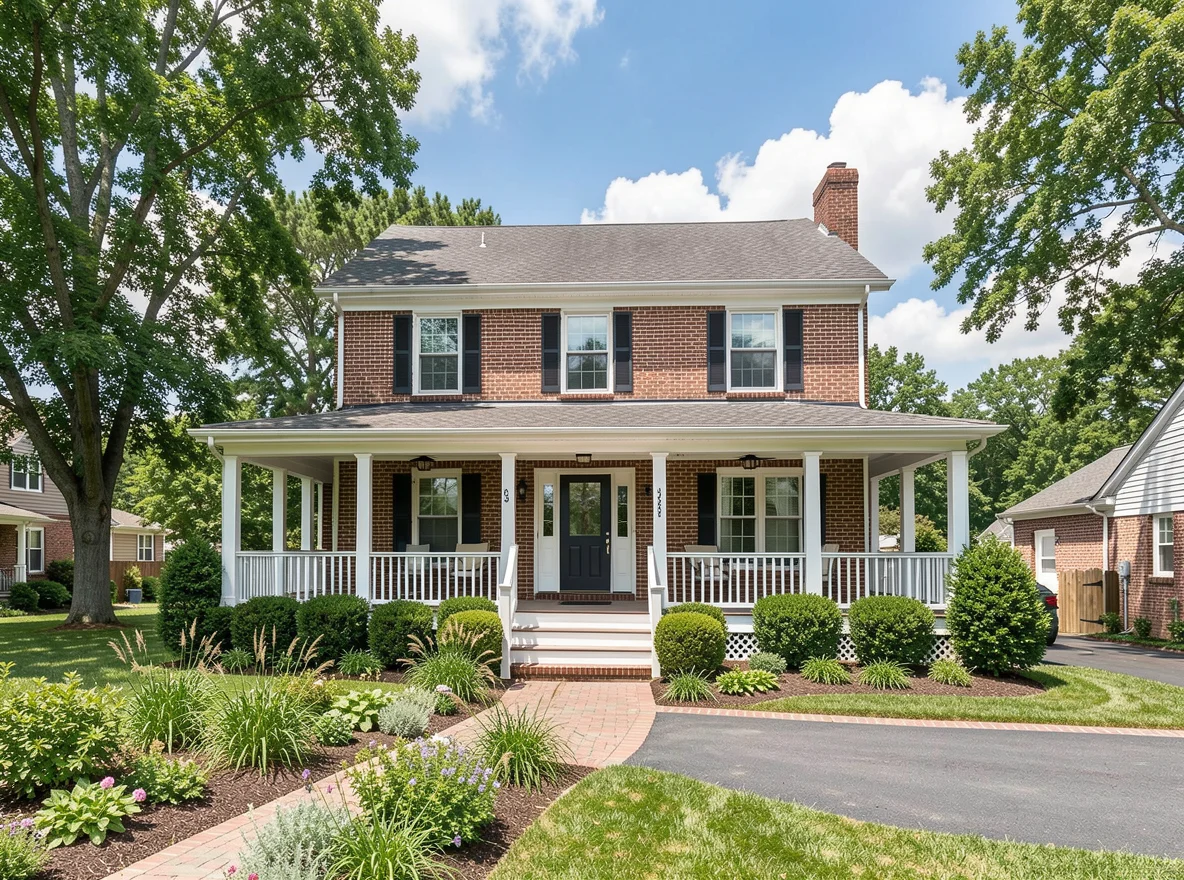
Location still matters, but its value depends on the rental plan. Consider driving access to beaches, dining, recreation, and everyday services, along with parking and the property’s actual amenities. A pool or convenient outdoor space may help a listing stand out, but it can also add maintenance costs or association fees. Compare similar properties rather than assuming every home near the coast will perform alike.
For a longer lease, practical details such as storage, laundry, utilities, and the condition of major systems may influence both your expenses and the property’s appeal. For shorter stays, furnishings, cleaning logistics, and seasonal demand become more prominent. Neither approach guarantees income, and a home’s past performance may not transfer automatically to a new owner.
Before touring, make a short list of nonnegotiables: purchase budget, preferred rental term, acceptable maintenance level, and the amount of cash you want to keep available after closing. This gives you a consistent way to compare an established property with one that needs improvements or has a higher monthly association fee.
Estimate Income Without Counting on a Perfect Calendar
Start with comparable rentals that resemble the property in size, condition, amenities, and location. For a seasonal rental, look beyond advertised peak-week prices. Ask for available booking and revenue history, including slower periods, and find out whether reported figures are gross receipts or the amount the owner received after fees. For a long-term rental, compare current asking rents with the home’s features and consider the possibility of time between leases.
Build a conservative annual estimate using an expected nightly or monthly rate and an occupancy assumption you can explain. For example, a hypothetical seasonal home rented for 100 nights at an average of $250 per night would produce $25,000 in gross rental revenue. That is a planning illustration, not a forecast for Selbyville, and it does not account for expenses, taxes, financing, or vacancies outside those booked nights.
Personal stays during popular rental periods can reduce potential income. Include those dates in your calendar before estimating the number of nights available to rent.
Test more than one scenario. What happens if the average rate is lower than expected, bookings arrive later, or a repair takes the home out of service? A reasonable downside case can be more useful than a best-case projection when deciding how much financial flexibility you need.
Put Every Ownership Cost on the Worksheet
Gross income is only the starting point. Gather actual quotes and property-specific records where possible, then estimate recurring costs for the full year—not just the months when the home is occupied. A coastal property may require extra attention to exterior materials, weather exposure, and insurance coverage, but the cost and scope depend on the individual home.
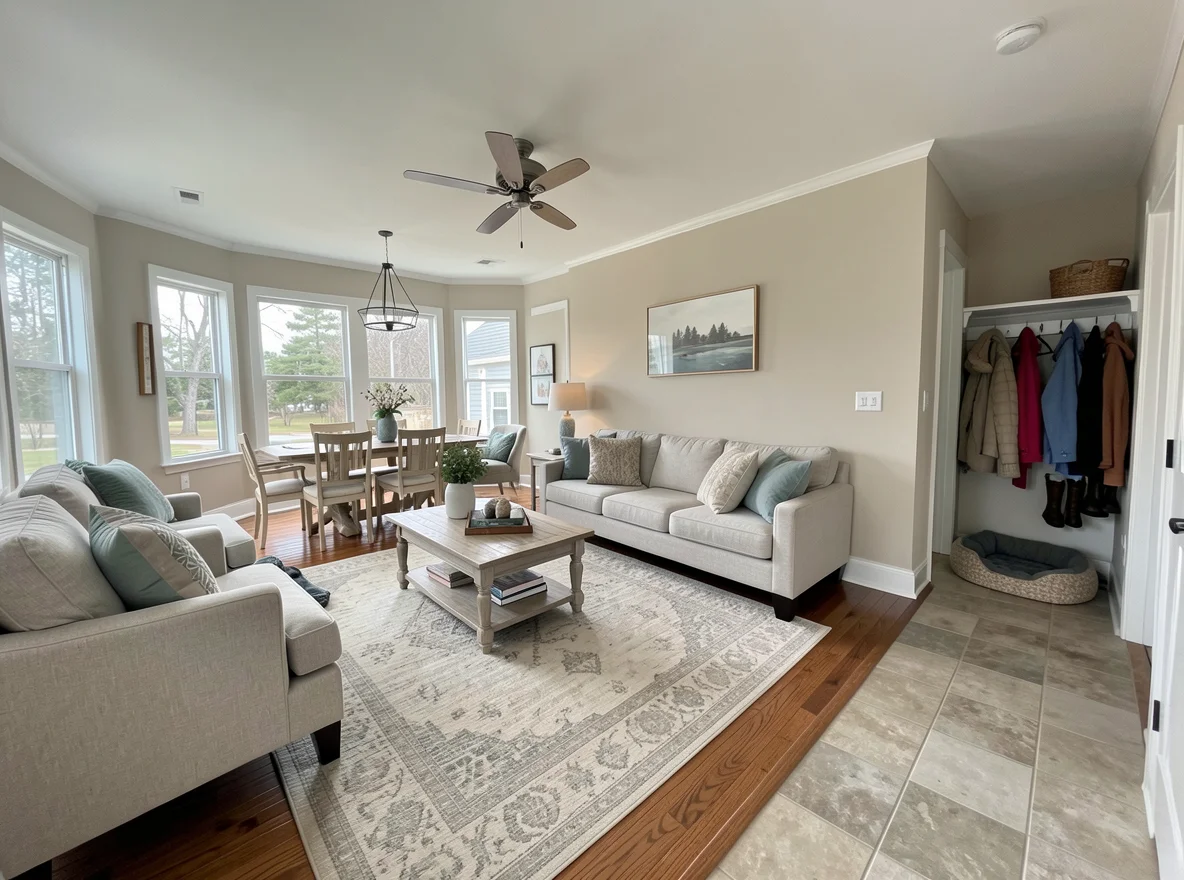
Typical operating expenses include property taxes, insurance, utilities, routine maintenance, lawn care, association dues, and property management. Short-term rentals may also have platform charges, cleaning, linens, supplies, and more frequent wear on furnishings. Check whether a cleaning charge is paid by guests, retained by a platform, or passed through to a service provider; avoid counting the same amount as both income and an owner expense without understanding the arrangement.
Ask an insurance professional for a quote based on your intended use. Coverage for an owner-occupied home may differ from coverage for a rental, and flood or wind-related coverage may need separate attention. Review deductibles, exclusions, and any lender requirements rather than relying on the seller’s premium, which may not reflect your circumstances.
Set aside funds for larger replacements as well as routine repairs. A roof, heating and cooling system, appliances, and furnishings do not last forever, even if they look good at a showing. Also budget for initial setup: inspections, closing costs, furniture, necessary repairs, and any changes required before the property can be rented.
Check the rules before relying on rental income
Confirm the property’s jurisdiction, then check applicable state, county, and municipal requirements for your proposed rental arrangement. Ask about registration, permits, inspections, taxes, and any limits on rental duration or occupancy. If the home is in a condominium or homeowners association, review its governing documents and current rental policies directly. Restrictions, fees, and approval processes can affect the plan even when similar homes nearby are rented.
Compare Return Measures and Financing
One useful starting point is net operating income, or NOI: annual rental income after vacancy and operating expenses, but before mortgage payments, income taxes, depreciation, and capital expenditures. Dividing NOI by the purchase price gives an approximate capitalization rate. It helps compare properties on an operating basis, although it does not capture financing, acquisition costs, or future appreciation.
Using the hypothetical $25,000 gross revenue above, suppose $10,000 goes toward vacancy-adjusted operating expenses. The resulting $15,000 NOI divided by a $300,000 purchase price equals a 5% capitalization rate. This simplified example is not a local market estimate. Your own calculation should use a defensible vacancy allowance and property-specific costs, including any expenses omitted from the illustration.
Cash flow answers a different question: how much money may remain after operating expenses, mortgage payments, and planned capital reserves. Cash-on-cash return compares annual pre-tax cash flow with the cash invested, such as the down payment, closing costs, and initial setup. Because assumptions vary, use the same approach for every property you compare and identify what is included.
Financing can change the picture considerably. Ask a lender about investment-property qualification, down payment, rate, closing costs, and whether projected rental income can be considered. A mortgage calculator can provide an initial payment estimate, but add taxes, insurance, association dues, and other expenses separately if they are not included in the result.
Make the Decision With a Clear Exit Plan
Before making an offer, consider how the property would fit your plans if rental income falls short or your needs change. Resale value is not guaranteed, and market conditions, financing costs, and property condition can shift over time. Compare recent local sales with help from a real estate professional, and ask a tax or legal adviser how ownership and rental decisions apply to your situation.
The strongest comparison brings the details together: realistic income, verified rental permissions, a complete expense estimate, financing terms, and cash reserves. With that groundwork in place, you can evaluate Selbyville properties on more than their photographs—and choose with a clearer understanding of both their possibilities and their costs.