
Buying your first home in Lewes can feel much more manageable when you break the process into clear steps: budget, loan prep, home search, offer strategy, inspections, and closing. This guide walks through each stage with a practical local lens, including how seasonal inventory, coastal property costs, and timing can shape decisions. If you want a smoother path from browsing to keys-in-hand, a plan matters more than trying to predict every twist in the market.
Start With the Numbers Before You Start Touring
It is easy to begin with listing photos, but the strongest first move is building a budget that reflects the full cost of ownership in Lewes. That means looking beyond the purchase price and considering monthly mortgage payment, property taxes, insurance, utilities, maintenance, and any association fees that may apply. In a coastal market, buyers may also want to ask early about flood insurance requirements, storm-related maintenance, or higher carrying costs for certain locations and home styles.
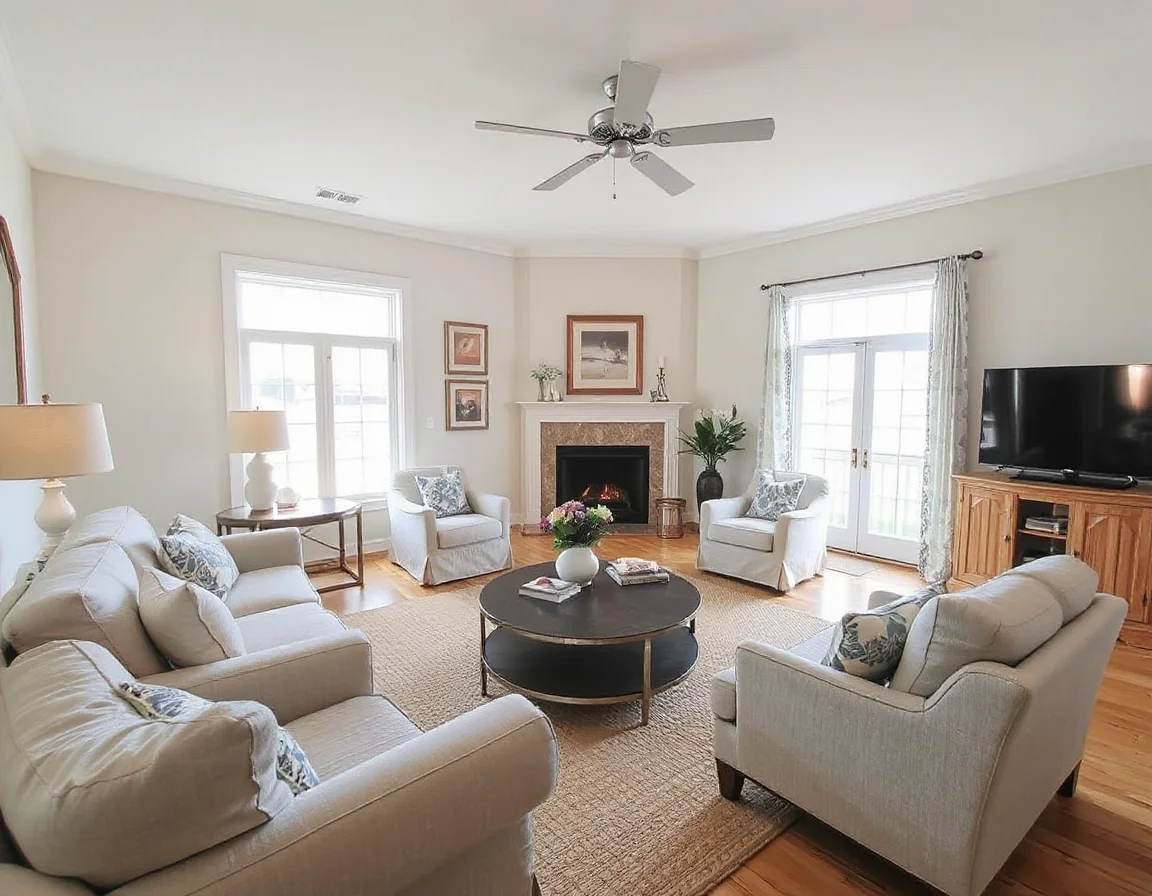
A helpful way to frame your budget is to separate three categories: cash needed upfront, target monthly payment, and comfort zone for future repairs or upgrades. Upfront funds often include earnest money, down payment, closing costs, inspections, and moving expenses. Even buyers using low-down-payment financing benefit from knowing what those line items may look like before making an offer.
A price point that works on paper can still feel tight once insurance, taxes, and maintenance are added in. Building in a small monthly cushion often makes the first year of ownership feel far less stressful.
Pre-approval is the next practical step. It gives you a realistic range, helps narrow the search, and signals to sellers that you are prepared to move forward. If you are comparing lenders, look at more than the rate alone. Ask about closing timelines, local transaction experience, lender fees, and responsiveness, because those details can matter when a market is active and decisions move quickly.
Learn How Lewes Inventory Can Shape Your Search
Once the financial foundation is in place, the home search becomes much more focused. Lewes offers a range of property types, from in-town homes with easy access to dining and waterfront areas to newer communities with different layouts, lot sizes, and amenities. Some buyers prioritize proximity to the beach or downtown core, while others look for extra storage, first-floor living, updated systems, or lower-maintenance exteriors. The key is translating lifestyle preferences into a short list of must-haves and nice-to-haves.
That list matters because first-time buyers often discover quickly that no home checks every box. A property with a strong location may need cosmetic updates. A newer home may come with association rules or fees. A larger lot may mean more upkeep. Knowing where you are flexible helps you act decisively when the right option appears.
It also helps to watch how inventory behaves by season. In beach-area markets, buyer activity can shift with weather, visitor traffic, and second-home interest. That does not mean there is one perfect time to buy, but it does mean timing can influence selection, competition, and negotiation opportunities. Staying informed on new listings and price adjustments can give first-time buyers an edge.
Explore first-time buyer resources
As you tour homes, pay attention to the parts of ownership that photos cannot show well: street noise, storage space, natural light, parking, drainage, lot slope, and the age of major systems. In Lewes, buyers may also want to ask about roof age, HVAC performance, window condition, and whether the home has any elevation or insurance considerations. These details can affect both near-term costs and long-term comfort.
Make an Offer With Terms That Match the Property
Writing an offer is about more than choosing a number. Price matters, of course, but so do financing terms, inspection timing, settlement date, and how cleanly the offer is presented. A well-structured offer reflects the home, the current competition, and your own priorities. For first-time buyers, this is where good preparation pays off, because the goal is not simply to win the house, but to do so on terms you can actually live with.
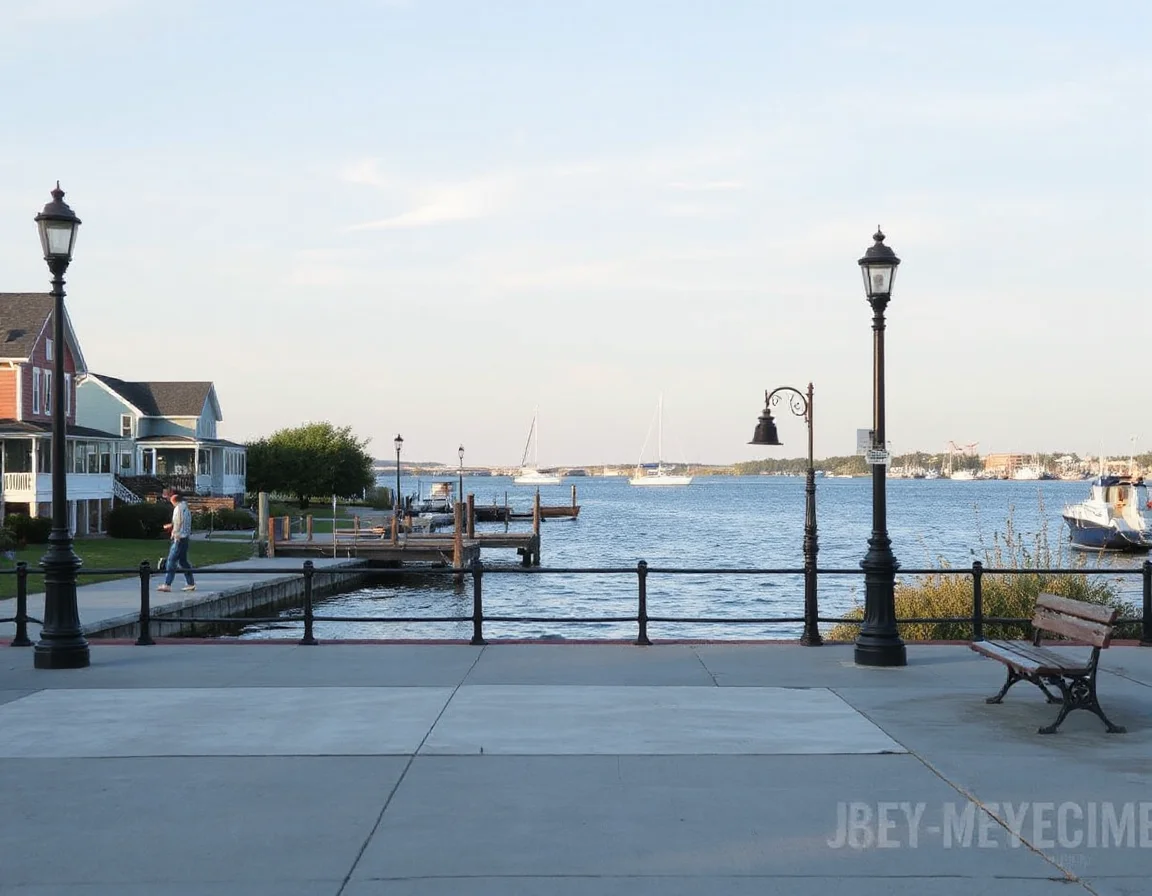
If a home is newly listed and showing strong interest, terms may need to be especially organized and prompt. If a property has been on the market longer, there may be more room to negotiate price, credits, or timing. This is also the stage where contingencies need careful attention. Financing, appraisal, and inspection contingencies can protect the buyer, but they should be written thoughtfully and explained clearly.
Earnest money is another part of the conversation. It shows commitment, but it should fit the transaction and your available cash. Your agent and lender can help you understand what is typical for the situation and how that deposit will be applied later in the process.
The strongest offer is not always the highest one. Clear financing, realistic timelines, and well-organized paperwork can make a meaningful difference to sellers reviewing multiple choices.
Once an offer is accepted, the pace usually picks up. Inspection appointments, lender requests, title work, and appraisal scheduling can all begin within a short window. Staying responsive during this phase helps keep the transaction moving and reduces last-minute pressure.
Use Inspections and Due Diligence to Clarify Risk
Home inspections are not just a formality. They are an opportunity to better understand the property’s condition and future maintenance needs. In Lewes, buyers often pay close attention to moisture management, exterior wear from coastal weather, crawl spaces, roofing, windows, siding, and mechanical systems. The purpose is not to expect perfection, especially in resale homes, but to identify material concerns and decide what is manageable.
After the inspection, there may be a period of negotiation. Depending on the findings, buyers may request repairs, ask for a credit, renegotiate, or move forward as-is. It helps to focus on health, safety, system performance, and larger repair items rather than cosmetic preferences. That approach tends to keep decisions practical and proportional.
At the same time, your lender is continuing its work. The appraisal confirms value for financing purposes, and underwriting may request updated documents before issuing final approval. Keep funds stable, avoid major new debt if possible, and respond quickly to documentation requests. Seemingly small delays can affect the closing calendar.
Get Ready for Closing Day and the First Month After
As closing approaches, buyers typically receive final figures, review settlement documents, and complete a final walkthrough. The walkthrough is your chance to confirm the property is in the expected condition and that any agreed-upon work has been completed. Bring your notes, review key systems, and do not hesitate to ask questions before signing.
Closing day itself is often less dramatic than buyers expect because most of the important work happens beforehand. When the financing, title work, insurance, and final numbers are lined up properly, the appointment becomes the final step in a process that has been building for weeks. After recording and confirmation, the home is officially yours.
The first month of ownership is a good time to prioritize essentials: utilities, locks, maintenance scheduling, filing closing documents, and creating a repair timeline. If the home needs updates, many buyers find it useful to separate immediate needs from future improvements. That helps preserve cash and keeps the transition into ownership more manageable.
For first-time buyers in Lewes, the biggest advantage is often not trying to know everything at once, but working through each stage with steady guidance and realistic expectations. Budget first, search with purpose, write smart terms, inspect carefully, and stay organized through closing. That path does not remove every surprise, but it usually makes the entire experience clearer, calmer, and more successful.