
Sussex County offers a distinctive mix of shoreline access, preserved open space, and practical day-to-day amenities that shape how people experience the area year-round. From beach towns and inland communities to parks, trails, and shopping corridors, the appeal is not just scenic—it is functional. If you are weighing a move, purchase, or sale here, understanding how these pieces fit together can help you focus on the locations and property types that best match your goals.
Why Sussex County Draws So Much Interest
Stretching from the Delaware coast to inland farmland and growing town centers, Sussex County gives home buyers and property owners a lot to compare in one region. Some areas are known for boardwalk access and seasonal energy, while others offer quieter residential streets, golf communities, marinas, or newer neighborhoods closer to daily errands. That range matters because lifestyle in this county is often shaped as much by road access, shopping, and recreation as it is by proximity to the water.
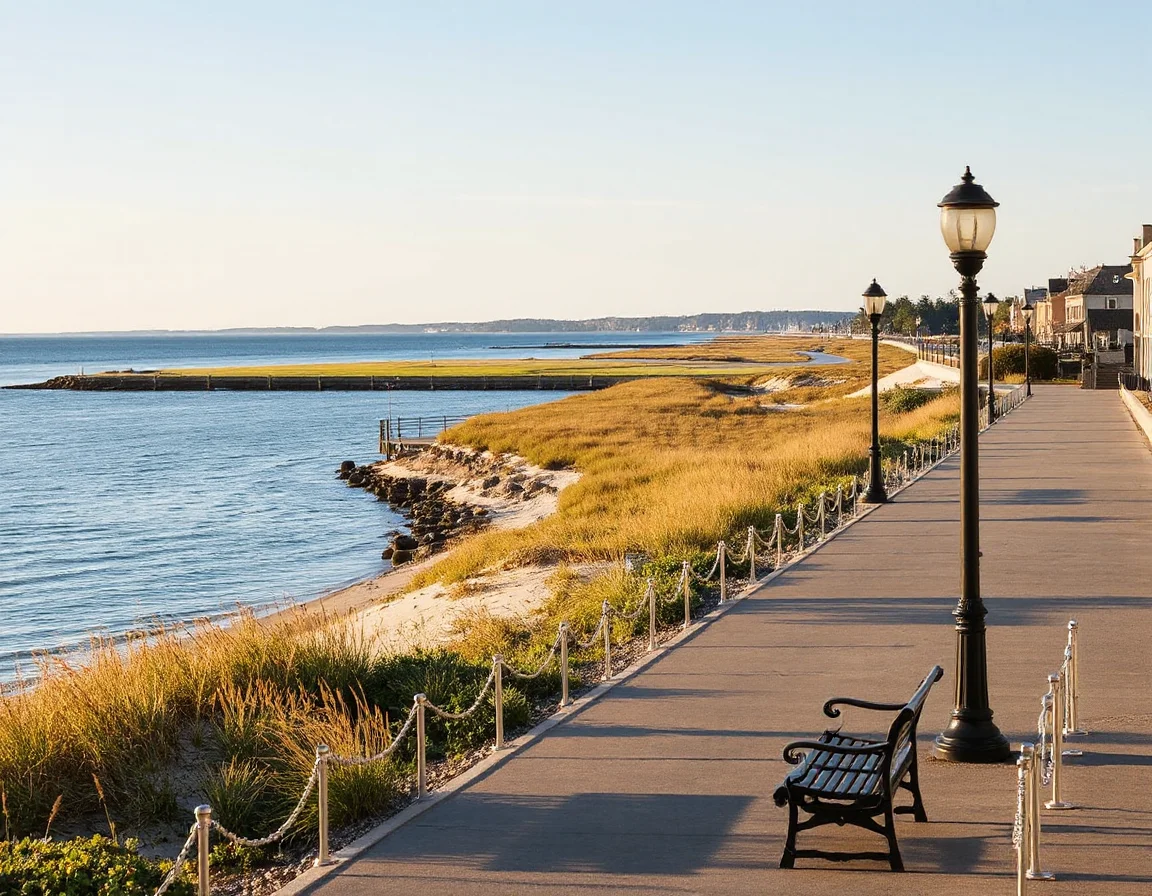
For many people, the first impression starts with the beaches. Rehoboth Beach, Lewes, Dewey Beach, Bethany Beach, South Bethany, and Fenwick Island each have a different rhythm, but all contribute to the county’s reputation as a place where outdoor access is woven into everyday life. Even for residents who do not live directly on the coast, the ability to reach the ocean, bay, or an inland waterway within a reasonable drive is a major part of the area’s appeal.
At the same time, Sussex County is not only about vacation-season visibility. Grocery stores, medical offices, hardware stores, fitness options, schools, libraries, and local service businesses are spread throughout the county, especially around hubs like Lewes, Rehoboth, Millsboro, Milford, Georgetown, and Selbyville. That balance between recreation and routine is often what turns a casual interest in the area into a serious real estate search.
In Sussex County, two homes with similar square footage can feel very different in practice depending on beach traffic patterns, year-round road access, and distance to everyday services.
Beaches and Water Access Shape the Local Lifestyle
Water is the headline feature here, but the county offers more than one version of coastal living. Along the Atlantic, broad beaches, public access points, and boardwalk districts create an active shoreline environment. Around the bays and canals, buyers may find communities centered on boating, fishing, paddle sports, or marsh views. Inland, ponds, rivers, and marina-adjacent neighborhoods provide another way to enjoy the landscape without being directly on the oceanfront.
That variety can influence home style and pricing. Condos near the beach may appeal to buyers focused on low-maintenance ownership and walkable access to attractions. Single-family homes farther inland may offer larger lots, newer construction, or easier parking and storage. In waterfront communities, features like bulkheads, boat slips, flood-zone considerations, and insurance costs can play a larger role in decision-making than they would in other parts of the county.
For sellers, the lesson is just as important: location needs to be described clearly and factually. “Near bay access,” “a short drive to the beach,” “close to a state park,” or “within reach of Route 1 conveniences” tells a buyer something useful. The strongest listings in Sussex County usually connect the property to the way people actually move through the area.
Parks, Trails, and Protected Open Space Add Everyday Value
One of Sussex County’s biggest strengths is that recreation is not limited to the shoreline. Cape Henlopen State Park brings together dunes, trails, fishing access, and wide-open scenery near Lewes. Delaware Seashore State Park offers another iconic stretch of coastal landscape. Inland and around the bays, local parks, boat launches, nature preserves, and multi-use paths expand the options for walking, biking, paddling, and time outdoors.

These amenities matter in real estate because they affect how a home feels beyond the lot lines. A property near a trail connection or public launch may attract buyers who prioritize outdoor access. A neighborhood with sidewalks, nearby green space, or easy access to parkland may offer a different day-to-day experience than one that depends on longer drives for recreation. Those distinctions are practical, not abstract, and they often become part of how buyers narrow their search.
Open space also helps preserve a sense of place. Even as parts of Sussex County continue to grow, there are still scenic drives, marsh views, agricultural landscapes, and wooded pockets that soften the pace. That contrast between growth corridors and preserved land is part of what makes the county feel dynamic rather than overbuilt.
When comparing locations, park access can add value in ways buyers notice immediately: easier morning walks, more usable outdoor time, and less driving to reach recreation.
Residents often discover that these nearby outdoor options influence routines more than they expected. A quick after-work walk, a weekend bike ride, or a short trip to launch a kayak can become part of the weekly pattern, and that kind of convenience is hard to quantify until you live near it.
Everyday Conveniences Matter More Than Buyers First Expect
It is easy for beach imagery to dominate the conversation, but convenience often decides whether a location truly works. Sussex County includes major retail corridors, smaller town centers, healthcare providers, schools, pharmacies, and home improvement stores spread across a broad geography. Depending on where you are looking, a home may feel closely connected to errands and services—or pleasantly removed from them. Neither is automatically better; it depends on your priorities.
Route 1 remains a central artery for many coastal communities, while inland routes connect towns like Milton, Georgetown, Milford, Millsboro, and Selbyville. Drive times can change substantially by season, especially near the beach, so understanding the practical map is essential. A home that looks “close” online may function differently in peak traffic, while another slightly farther inland may offer easier movement and newer community infrastructure.
That is why local guidance can be especially useful here. A buyer may need help balancing flood-zone questions, HOA structures, rental considerations, and commuting routes. A seller may need a pricing strategy that reflects not just finishes and square footage, but also seasonal demand, access patterns, and how their micro-location compares to nearby options.
Real Estate Across the County Offers More Than One Path
Sussex County’s housing inventory spans beach cottages, luxury coastal homes, golf community residences, marina-oriented properties, new construction, inland subdivisions, townhomes, condos, and investment-oriented opportunities. That diversity gives buyers multiple entry points, but it also means comparisons need context. A home near Lewes may compete very differently than one near Ocean View, Selbyville, or Milford, even if the list prices seem similar at first glance.
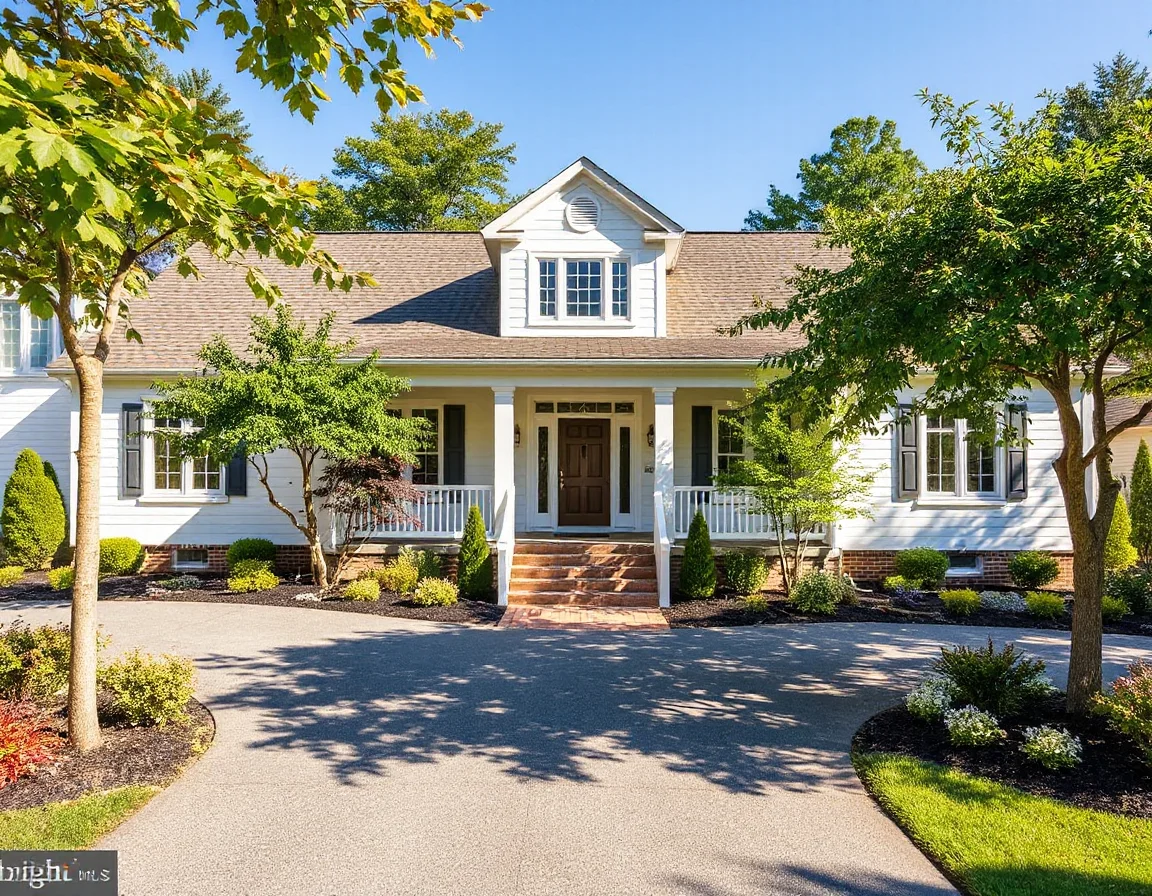
For investors, the county can present a mix of seasonal and year-round demand patterns, depending on location and property type. For primary-home buyers, priorities may lean toward storage, maintenance levels, one-floor living, yard size, or access to services. For second-home shoppers, ease of upkeep and travel time may matter most. The key is that Sussex County is not one market behaving one way—it is a collection of connected submarkets with different strengths.
That complexity is also what makes the area compelling. You can find communities near the ocean, neighborhoods near golf and bays, and inland homes that trade direct beach proximity for space, price flexibility, or newer construction. Looking broadly at the county often reveals options buyers did not initially consider.
Whether you are planning to buy, sell, or simply narrow your focus, Sussex County rewards a practical approach. Start with the essentials: where you want to spend time, how often you need daily services nearby, what kind of outdoor access matters most, and how the property will function across the full calendar year. When those pieces line up, the county’s beaches, parks, and conveniences become more than selling points—they become a sustainable way of living in coastal Delaware.