
In Ocean View, exterior updates do more than refresh a home’s first impression: they can help protect coastal-area materials, improve day-to-day function, and make listing photos stand out. Focus on visible maintenance, durable finishes, and outdoor spaces that support the way the property is used—then match the scope of work to the home’s price range and condition.
Start With the Details Buyers Notice First
Before anyone steps through the front door, the exterior is already telling a story. A clean, cared-for approach signals that the home has been thoughtfully maintained, while peeling trim, worn landscaping, or a cluttered entry can cause buyers to wonder what else may need attention. In Ocean View, Delaware, curb appeal has an extra layer of importance because salt air, humidity, sun, wind, and seasonal weather can all take a visible toll on exterior finishes.
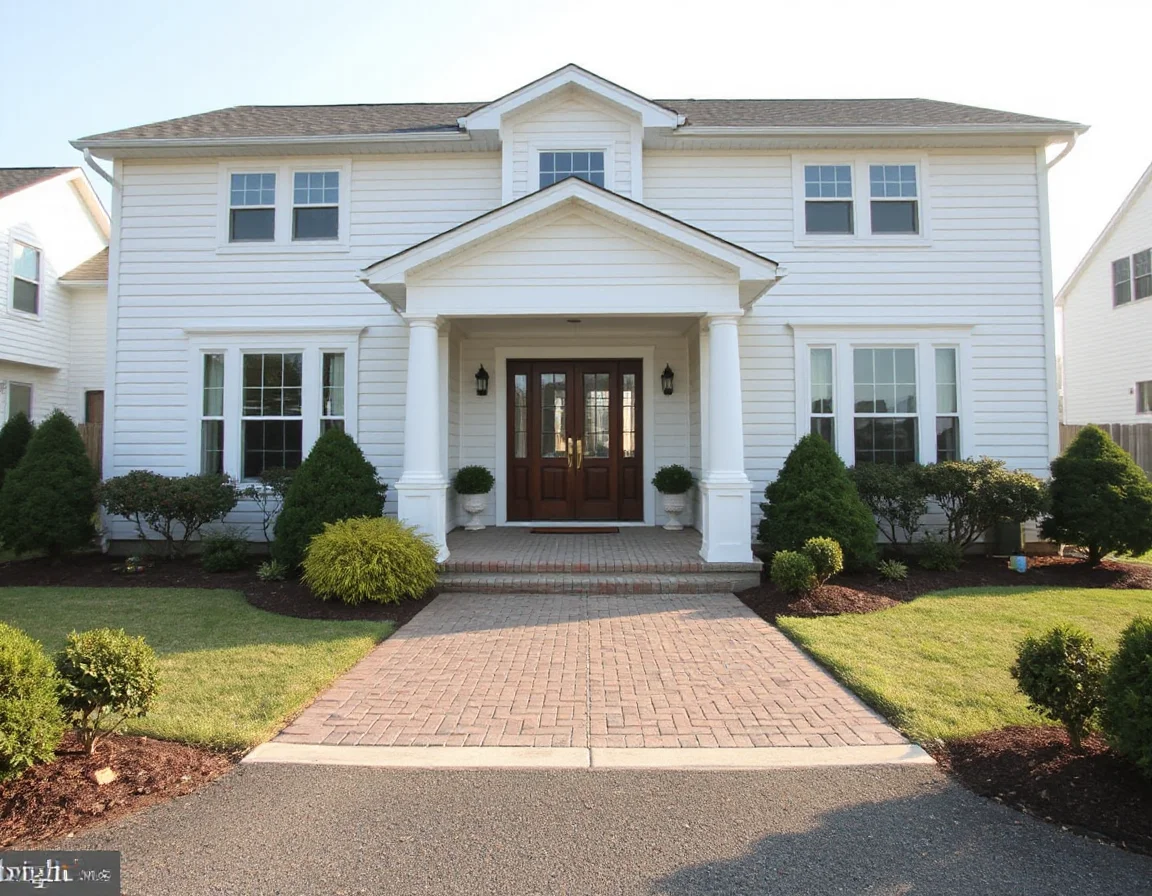
Begin with maintenance before adding major features. Pressure washing siding and walkways, cleaning gutters, touching up trim, replacing damaged screens, and refreshing exterior light fixtures can change the presentation of a property quickly. These projects are often less disruptive than a major renovation, yet they help create the polished backdrop that makes landscaping, architecture, and outdoor living areas easier to appreciate.
A front entry deserves particular attention. Consider a freshly painted front door in a color that complements the home’s siding and roof, a clean house-number display, an updated mailbox, and hardware with a consistent finish. If the porch or stoop needs repair, address uneven surfaces, loose railings, or weathered boards before focusing on decorative details. Practical condition is always the foundation of appealing design.
For listing photos, the small items matter: remove faded mats, stored containers, tangled hoses, and seasonal clutter so the entry reads as an inviting, usable space rather than a storage zone.
Landscaping should frame the home rather than compete with it. Mulch bare beds, edge pathways, prune shrubs away from windows and siding, and replace plants that have become overgrown or sparse. Native and climate-appropriate plantings can help reduce ongoing upkeep while adding texture and seasonal color. A simple plan with healthy greenery, clear sightlines, and defined borders often looks more valuable than an overcrowded collection of plantings.
Choose Coastal-Ready Materials and Finishes
Ocean View properties benefit from exterior choices that look good now and hold up well over time. Coastal conditions can accelerate wear on exposed metal, painted wood, fasteners, and decking. When planning upgrades, ask contractors about materials designed for moisture, ultraviolet exposure, wind, and corrosion. The right choice depends on the specific property, budget, location, and any applicable community guidelines, but durability should be part of every decision.
For siding, trim, railings, and decking, homeowners often compare the appearance, maintenance requirements, warranty terms, and installation needs of each option. Composite decking, for example, may offer a low-maintenance alternative to traditional wood in certain applications. Fiber-cement or quality vinyl siding can provide a clean finish when properly installed. For hardware and lighting, corrosion-resistant components may be worth considering where exterior exposure is significant.
Roofing and drainage are less glamorous, but they influence both curb appeal and confidence. Stained shingles, missing flashing, overflowing gutters, and downspouts that discharge too close to the foundation can distract from otherwise attractive improvements. A roofing professional can assess the condition of the roof, while a drainage review can identify areas where water is pooling near walkways, patios, or the home’s base.
Keep the exterior palette cohesive. Two or three coordinated colors—such as a body color, trim color, and door accent—usually create a more intentional appearance than multiple competing finishes. If the home has shutters, railings, fencing, or a detached storage structure, include them in the plan. Consistency makes even modest improvements feel deliberate and complete.
Make Outdoor Areas Feel Useful and Well Kept
Outdoor living space is a meaningful part of the appeal of many Ocean View homes. A porch, deck, patio, screened area, or pool surround can expand how a property is enjoyed while also adding visual interest to marketing photos. The goal is not to create a highly personalized setting; it is to show a clean, functional space with a clear purpose and room to imagine daily use.
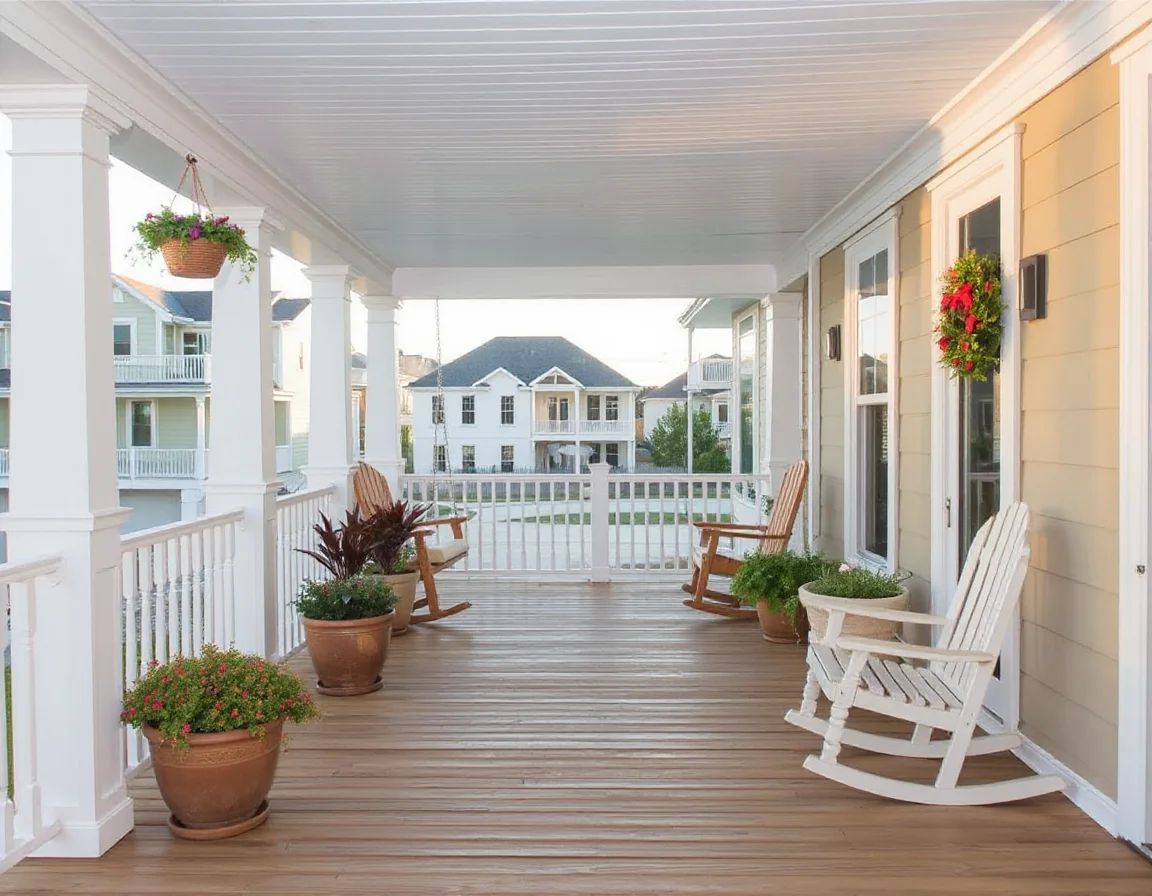
Inspect decking boards, railings, stairs, and handrails for stability and visible wear. Fresh stain or paint can revive wood surfaces, while a professional cleaning may be enough for certain composite materials. Replace broken lattice, repair loose pavers, and make sure exterior doors open and close smoothly. These details improve presentation and help avoid the impression that deferred maintenance is accumulating.
Lighting can also make a significant difference. Entry fixtures, pathway lights, and soft porch lighting can highlight the route to the home and extend the usability of outdoor areas after sunset. Choose fixtures in proportion to the house and avoid overly bright bulbs that create harsh shadows. Well-placed lighting should feel intentional, not theatrical.
A staged outdoor space can be simple: a pair of chairs on a porch, a compact dining arrangement on a patio, or neatly arranged loungers by a pool area. Keep accessories minimal and in good condition. The strongest presentation shows the dimensions and condition of the space while leaving plenty of visual breathing room.
Before investing in a large deck, fence, shed, or pool-area change, confirm local permitting requirements and any homeowners’ association rules. Early planning can prevent a costly redesign later.
Spend Strategically Before Selling
Not every exterior project delivers the same result for every property. A home with an aging roof may benefit more from essential repairs than from a dramatic landscaping installation. A property with a strong exterior but dated lighting and trim may need only targeted cosmetic work. The most productive pre-sale plan starts with an honest assessment of condition, comparable homes, and what buyers are likely to notice during a showing.
It is also wise to avoid over-improving beyond the neighborhood market. High-end materials and elaborate custom features can be appealing, but they may not always translate into a matching increase in market value. A local real estate professional can help identify which improvements are likely to support presentation and which may be better saved for a future owner’s preferences.
Document major work as it is completed. Keep contractor invoices, permit records, transferable warranty information, and before-and-after photographs. When a property comes to market, this information can help communicate the scope of maintenance and improvements clearly. Transparency is especially useful for exterior systems that buyers may not be able to evaluate fully during a brief visit.
Thoughtful curb appeal is ultimately about care, not excess. A well-maintained exterior, durable materials, clear outdoor spaces, and a coordinated visual plan can help an Ocean View home make a strong first impression from the moment a buyer arrives. Whether the goal is to prepare for a sale or simply enjoy the property more fully, focused updates can deliver a noticeable return in appearance, function, and confidence.