
Buying a first home in Sussex County is easier to approach when each decision has a place: establish a realistic monthly budget, compare homes with the full carrying cost in mind, and keep the closing process organized. This roadmap turns a big milestone into a series of practical next steps, whether your search leads toward the Delaware beaches, a town center, or a quieter inland setting.
Begin With a Budget That Works Beyond the Purchase Price
A home search often starts with an online listing, but the strongest first step happens before the search bar: understanding what a comfortable monthly payment looks like. In Sussex County, buyers may be comparing condos, townhomes, coastal properties, newer communities, and established homes in places such as Lewes, Rehoboth Beach, Milton, Millsboro, Ocean View, Selbyville, and surrounding areas. Each can carry a different mix of taxes, insurance, utility costs, association fees, and maintenance needs.

Start by reviewing income, recurring debt, cash available for a down payment, and emergency savings. A lender can explain loan options and provide a pre-approval estimate, while a buyer should decide what payment range leaves room for everyday priorities and expected home expenses. Pre-approval is not simply a number; it is a useful planning tool that helps narrow the search to homes that fit the overall financial picture.
Ask for estimates that include principal, interest, property taxes, homeowners insurance, and any mortgage insurance. For condominium or planned-community properties, also look closely at HOA or condominium fees, what those fees cover, and whether there are current or anticipated assessments. Coastal and near-coastal homes can require additional insurance considerations, so obtaining early quotes can prevent unwelcome surprises after an offer is accepted.
The most useful price range is not necessarily the maximum on a pre-approval letter. It is the range that accounts for taxes, insurance, HOA fees, maintenance, and the cash needed after closing.
Build a separate closing-cost reserve as well. Closing costs can include lender charges, title services, appraisal costs, recording fees, prepaid insurance, and initial escrow deposits. Your lender and real estate professional can help identify likely categories, but the final amount varies by loan program, contract terms, and property details. Keeping funds set aside for moving, immediate repairs, or furnishings adds flexibility once the keys are in hand.
Estimate a monthly home payment
Make the Search Specific Without Making It Complicated
Once the budget is defined, turn preferences into a short, practical list. Separate non-negotiables from features that would simply be nice to have. For example, a buyer may prioritize a certain number of bedrooms, first-floor living space, outdoor storage, parking, proximity to a beach access point, or a manageable commute route. A clear list makes it easier to compare homes fairly rather than being distracted by a single impressive feature.
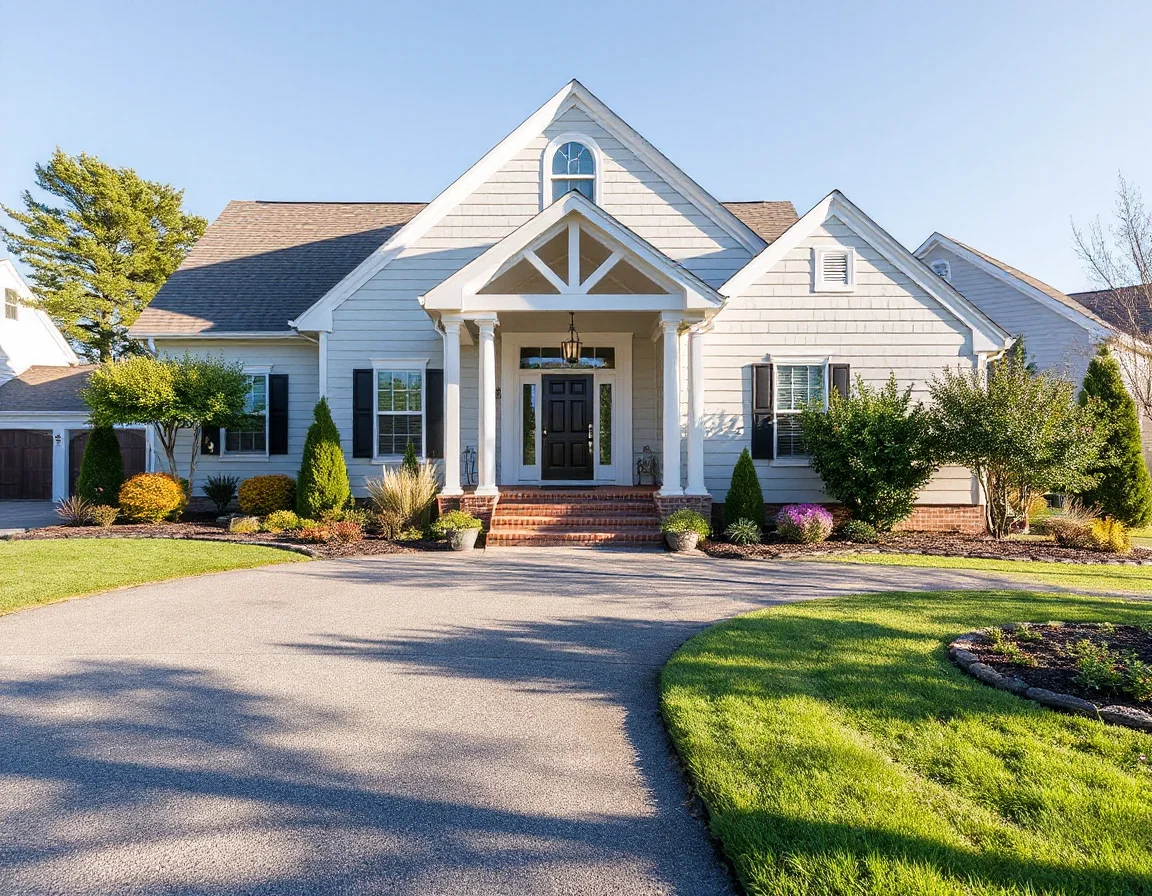
Sussex County offers a broad range of property settings. Near the shore, buyers may weigh beach access, seasonal traffic patterns, rental restrictions, flood-zone information, and association rules. Inland, the conversation may shift toward lot size, community amenities, road access, septic or public utilities, and the age of major systems. None of these details is automatically good or bad; they are factors to understand before making a confident offer.
During showings, look past paint colors and staging. Notice the roof age if known, window condition, drainage around the property, HVAC access, electrical panels, signs of deferred maintenance, and how rooms function from one to the next. Take notes immediately after each visit. A simple comparison sheet can keep important details from blending together after a busy weekend of tours.
It is also worth exploring the area at different times of day. Drive the routes you expect to use, check distances to groceries, medical services, parks, marinas, public beaches, and local gathering places, and observe practical conditions such as parking and road flow. This is not about finding a universally “best” location; it is about gathering objective information that supports your own daily routine and property goals.
For coastal and resort-area properties, request HOA documents, rental rules where applicable, insurance information, and flood-zone details early enough to review them before contingency deadlines.
A local market can move quickly, but speed should not replace preparation. Review recent comparable sales with your agent, consider the home’s condition and days on market, and discuss terms that are meaningful to the seller without giving up protections you need. An offer is more than its price: financing, settlement timing, inspections, appraisal terms, and requested inclusions can all shape the outcome.
Explore first-time buyer resources
From Offer to Closing: Keep the Details Moving
After an accepted offer, the process becomes a coordinated sequence of deadlines. Earnest money is delivered according to the contract, the lender begins full underwriting, and inspections and appraisal are scheduled. A well-organized file—containing identification, financial documents, insurance contacts, inspection reports, and lender requests—can make this period feel far more manageable.

A home inspection is a chance to learn about the property’s visible condition and systems. Inspectors commonly review accessible structural components, roofing, plumbing, electrical systems, heating and cooling equipment, and more within the scope of their service. Read the report carefully, ask questions, and distinguish between routine maintenance items, items that may need near-term attention, and issues that warrant further evaluation by a qualified specialist.
The appraisal serves a different role. Ordered by the lender, it provides an opinion of value for the loan process. If the appraisal, inspection, title work, or financing creates questions, communicate promptly with the professionals involved. Many transactions have moments that require clarification, documentation, or negotiation; addressing them early helps preserve options and keeps the closing calendar on track.
In the days before settlement, review the Closing Disclosure carefully. Confirm the loan terms, cash-to-close amount, credits, and projected payment. Arrange utility transfers, verify the approved method for sending funds, and remain alert for wire-fraud attempts. Never rely on a changed email instruction for wiring money; confirm settlement instructions directly with the title company or closing professional using a trusted phone number.
A Confident First Step Into Sussex County Homeownership
Before closing, complete the final walk-through to confirm the home is in substantially the agreed-upon condition and that negotiated repairs or included items are addressed. This is the time to flag questions, not to assume they will resolve themselves after settlement. Bring the contract, inspection repair documentation, and a simple checklist so the visit stays focused.
Buying a first home is both a financial decision and a learning process. The goal is not to predict every future change in the market or uncover a flawless property. It is to make a well-informed decision with a payment structure, location, condition, and ownership responsibilities that align with your plans. With clear expectations and a strong professional team, the route from pre-approval to closing can feel organized, informed, and genuinely exciting.
Whether your search is focused on a beach-adjacent condominium, a home near local recreation, an investment-minded property, or a year-round residence in Sussex County, preparation creates leverage. Take the process one deadline at a time, keep questions visible, and make decisions based on complete information rather than pressure. That steady approach is one of the best tools a first-time buyer can bring to the closing table.