
A Dewey Beach condo can offer a compelling blend of coastal access and rental income potential, but the purchase price is only one part of the investment. A careful review of HOA costs, rental policies, reserves, insurance, and realistic operating expenses can help turn an appealing beach property into a well-informed decision. The strongest projections leave room for changing seasons, maintenance, and the unexpected.
Start With the Full Cost of Ownership
Ocean views, walkable beach access, and a lively coastal setting make Dewey Beach, Delaware, a location many buyers consider for a second home or investment property. Condominiums can be particularly appealing because exterior maintenance and shared amenities are often managed through an association. Still, a condo’s monthly or quarterly HOA fee deserves the same scrutiny as the asking price. It affects cash flow every month, whether the unit is occupied, rented, or waiting for the next reservation.
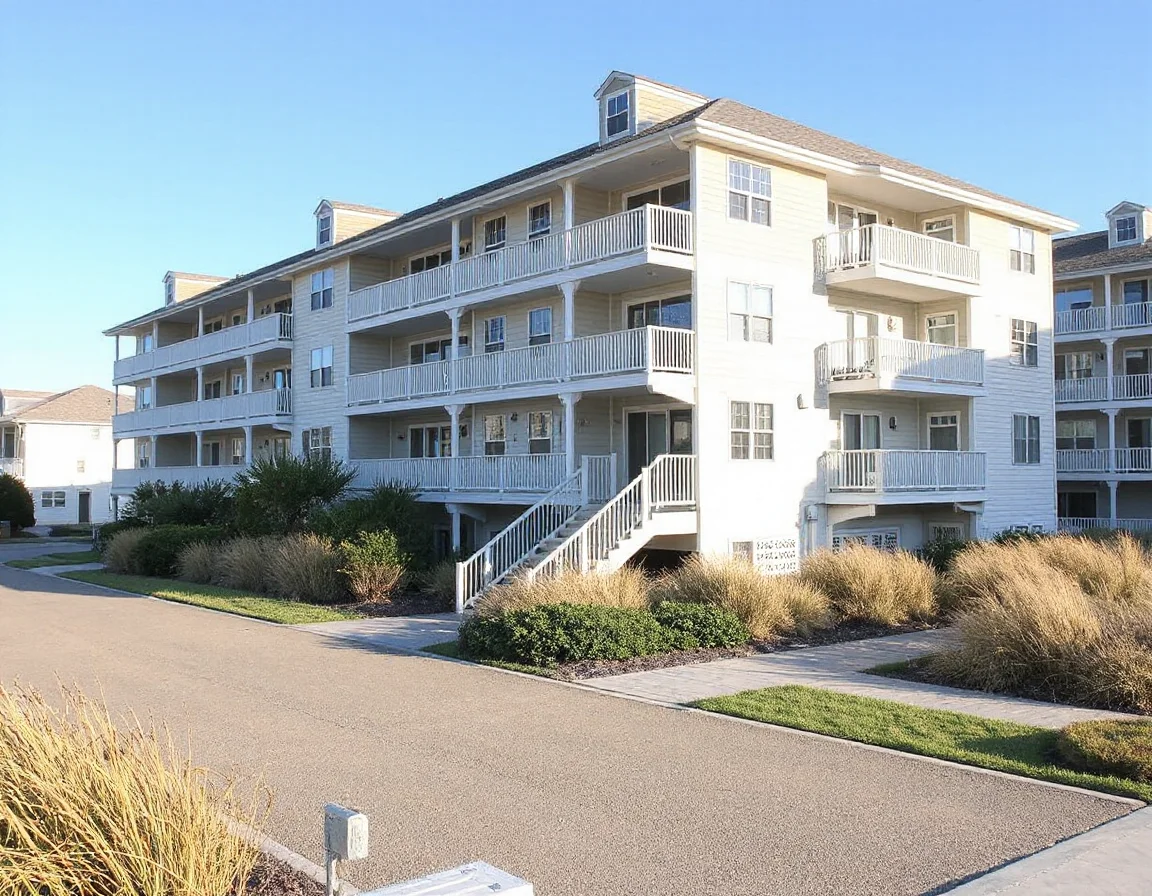
Ask for the current HOA budget, the most recent financial statements, meeting minutes, governing documents, insurance summary, reserve study if one exists, and a record of recent or planned capital projects. These materials help reveal what the fee covers and whether the association is preparing for larger expenses. Typical line items may include exterior upkeep, landscaping, elevators, building insurance, water, trash service, flood-related maintenance, master insurance, parking areas, pool care, or professional management. Coverage varies widely from one building to another, so it is important not to assume that two similarly priced condos will carry similar monthly costs.
Pay close attention to reserves. A healthy reserve fund can help an association plan for roof work, siding, decks, paving, mechanical systems, or other long-term needs. Limited reserves do not automatically make a property a poor choice, but they may increase the chance of a future special assessment. A special assessment is a one-time charge to owners for an expense not fully covered by the operating budget or reserves. Build a cushion into the investment analysis rather than relying on a best-case scenario.
A lower HOA fee is not always the better value. Compare what is included, the condition of shared components, reserve funding, and pending projects before using the fee as a shortcut for affordability.
Also separate association insurance from the coverage needed for the individual unit. Coastal properties may require a thoughtful review of wind, flood, hazard, liability, and contents coverage, depending on the building, lender requirements, and policy structure. An insurance professional can clarify the master policy’s deductible and boundaries of coverage, while a lender can explain how the building’s documentation may affect financing. Those details belong in the annual expense estimate, not as an afterthought once the purchase is underway.
Read Rental Rules Before You Build an Income Projection
Rental income can be an important part of a Dewey Beach condo strategy, especially when visitors are drawn to the shoreline, nearby Rehoboth Bay, dining, events, and seasonal recreation. Yet rental policies are set at more than one level. Delaware and local requirements may apply, and each condominium association can establish its own rules regarding leasing, registration, minimum rental periods, guest parking, pet policies, occupancy standards, amenity access, and professional management. The association documents—not an old listing description—should guide the analysis.

Start by confirming whether short-term rentals are permitted and, if they are, whether there is a minimum stay requirement. A building that allows weekly rentals may perform differently from one that requires 30-day or longer leases. Some communities cap the number of rentals, limit signs or lockboxes, require a lease review, charge registration fees, or restrict the use of shared amenities by renters. These policies can change, so ask for the current rules and recent meeting minutes rather than relying on verbal assurances.
Next, evaluate the operating plan behind the gross-rent number. A rental calendar has unavoidable gaps, particularly outside peak travel periods. Management fees, booking fees, cleaning, linens, utilities, internet, consumables, repairs, furnishings, local lodging taxes, and marketing all reduce gross income. If you plan to manage the property yourself, assign a realistic value to your time and establish a dependable plan for guest communication, turnovers, maintenance requests, and urgent issues when you are not nearby.
A useful approach is to create three scenarios: conservative, expected, and strong. The conservative model might use fewer booked nights, modest rates, and a larger maintenance reserve. The expected model should be grounded in current comparable rentals with similar bedroom count, condition, proximity to the beach, parking, and amenities. The strong scenario can be helpful for context, but it should not be the only figure supporting the purchase decision.
Use net operating income—not a peak-season nightly rate—to compare condo opportunities. The unit that looks most profitable on a summer weekend may not produce the strongest year-round result after fees, vacancies, and upkeep.
Estimate your monthly ownership costs
Calculate ROI With Assumptions You Can Defend
Return on investment is often discussed as a single percentage, but a beach condo’s performance is better understood through several measures. Begin with estimated annual gross rental revenue, then subtract operating expenses: HOA dues, property taxes, insurance, utilities, management, cleaning, supplies, repairs, licensing or registration expenses, and a reserve for replacements. What remains before mortgage payments is the property’s net operating income. Comparing that amount with the purchase price and cash invested can provide a clearer starting point than looking at revenue alone.
If financing is involved, add principal and interest to the monthly cash-flow calculation. Then consider the down payment, settlement costs, initial furnishing package, inspections, and any immediate improvements needed to make the unit functional and appealing. A furnished condo near the beach may require periodic replacement of furniture, appliances, bedding, electronics, outdoor items, and decor. Planning for those costs helps avoid treating ordinary turnover as a surprise expense.
It is also wise to distinguish cash flow from appreciation. Property values can change for many reasons, including inventory, interest rates, building condition, buyer demand, insurance costs, and broader economic conditions. Appreciation may be part of a long-term investment thesis, but it should not be assumed or used to offset an operating plan that does not stand on its own. A durable analysis works even if market conditions become less favorable than hoped.
Before making an offer, compare multiple buildings rather than only multiple units. One property may have a higher price but lower recurring costs, stronger reserves, more flexible rental rules, or fewer near-term capital needs. Another may offer attractive upfront pricing but carry constraints that limit income or create future expense exposure. A side-by-side worksheet makes these differences visible and keeps decisions focused on complete ownership economics.
Make Due Diligence Part of the Investment Strategy
A well-chosen Dewey Beach condo can provide personal enjoyment, rental flexibility where permitted, and a tangible connection to the Delaware coast. The key is to approach it as both a home and an operating asset. Review the documents, inspect the condition of the unit and common elements, verify rental rules in writing, and use careful expense assumptions. Consultation with qualified legal, tax, insurance, lending, and property-management professionals can help address questions specific to your situation.
With a disciplined review process, buyers can move beyond headline rental figures and focus on the details that shape long-term ownership: association governance, reserves, insurance, seasonality, maintenance, and realistic net income. That preparation creates a stronger foundation for evaluating whether a particular Dewey Beach condo fits your financial goals and preferred approach to coastal property ownership.