
Buying your first home in Worcester County involves more than finding a monthly mortgage payment that fits. From preapproval and coastal insurance to inspections and closing day, a little preparation can help you compare properties with greater confidence and avoid last-minute surprises.
Start With the Full Cost of Ownership
A home search in Worcester County might lead you from Berlin’s residential streets to Ocean Pines or an Ocean City condo near the water. Before touring, take a close look at your savings, income, existing debts, and the monthly amount you are comfortable spending. Your lender can estimate what you qualify to borrow, but your own budget should also leave room for maintenance, utilities, and the other things that matter to you.
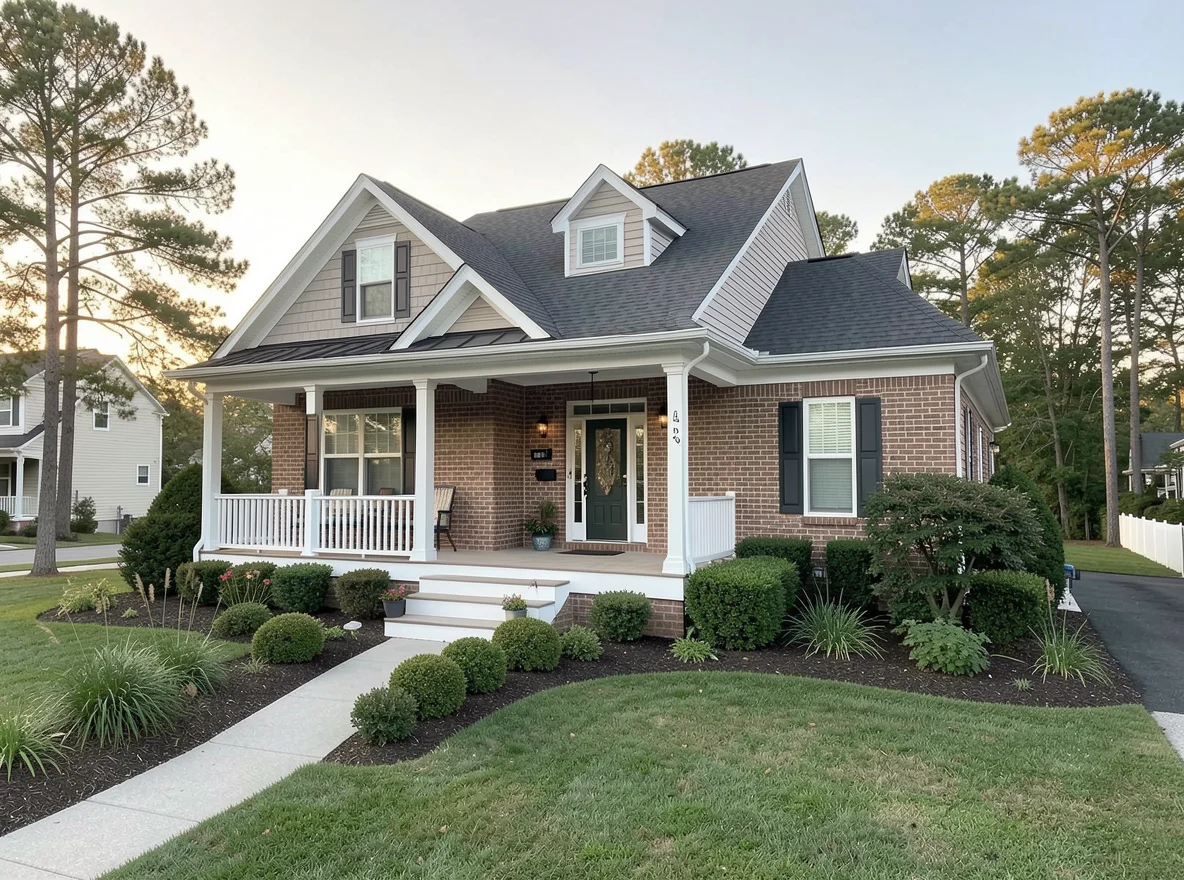
Think beyond principal and interest. Property taxes, homeowners insurance, mortgage insurance when applicable, and any homeowners association or condominium dues can change the monthly picture. A condo may include some exterior maintenance in its dues, while a detached home may require you to budget directly for the roof, landscaping, and other upkeep. Ask for property-specific figures rather than assuming two similarly priced homes will cost the same to own.
Keep cash needs in view, too. In addition to a down payment, you may need funds for inspections, an appraisal, closing costs, moving expenses, and reserves after settlement. Some loans allow lower down payments, but the terms depend on the program and your qualifications. A lender can help you compare options without committing every available dollar to the purchase.
A coastal home’s purchase price is only the starting point: insurance, association dues, and maintenance can make a meaningful difference in the amount you pay each month.
Use an online calculator for an initial estimate, then replace its assumptions with quotes and figures for the property you are considering. Treat the result as a planning tool, not a loan approval or a guarantee of your final payment.
Estimate your mortgage payment
Get Preapproved and Compare Financing
Preapproval gives you a useful starting range and shows sellers that a lender has reviewed your financial information. Lenders commonly request recent pay documentation, bank statements, identification, and information about debts and assets. They may also review your credit. Ask each lender what documents are needed and how long its preapproval will remain valid.
Compare more than the advertised interest rate. Ask about the annual percentage rate, lender fees, points, down payment requirements, mortgage insurance, and whether the rate is locked. Request Loan Estimates when available so you can compare costs using a consistent format. A lower rate is not always the least expensive choice if it comes with substantially higher upfront fees.
Depending on your circumstances and the property, conventional, FHA, VA, or USDA financing may be worth discussing. Eligibility rules differ, and not every home or borrower will qualify for every program. Ask about Maryland homebuyer assistance and any available local programs, including income limits, purchase-price limits, education requirements, and whether assistance must be repaid. Confirm current availability before relying on it in your budget.
Keep Your Financial Picture Steady
Once the lender begins reviewing your application, check before making a major purchase, opening a new credit account, changing employment, or moving large sums between accounts. These actions can require additional documentation or affect approval. Continue paying bills on time, and promptly share any requested paperwork so underwriting can move forward.
Look Closely at Coastal Properties
A home near the Atlantic coast or a bay can offer appealing access to beaches, boating, and local dining, but location-specific costs deserve attention. Before making an offer, ask your insurance agent for estimates and discuss wind, flood, and other coverage relevant to the property. Standard homeowners insurance generally does not cover flooding, and lender requirements depend on factors such as the property’s location and loan type.
Review flood-zone information, but do not treat a map designation as the whole story. Ask about the building’s elevation, prior water-related issues when disclosed, and the availability and cost of coverage. Insurance premiums and requirements can change, so obtain current quotes rather than relying on what a previous owner paid. An inspection can also help identify maintenance concerns associated with moisture, salt air, or the building’s age.
For a beach-area condo, ask about both the individual unit’s insurance and the association’s master policy; the two may cover different parts of the property.
If the property belongs to an association, review its budget, dues, reserve funding, insurance, rules, and any disclosed planned or pending special assessments. Ask your lender whether the condominium project meets its financing requirements. If you hope to rent the property, check local regulations and association restrictions rather than assuming short-term rentals are permitted.
As you compare locations, consider the features that shape your own routine: access to Ocean City’s beach and boardwalk, Berlin’s historic center, or the amenities available in Ocean Pines. School information, commute routes, seasonal traffic, and proximity to services may also be useful to research directly for each address.
Make an Offer With Clear Deadlines
When you find a property that fits, your agent can help you review comparable sales and prepare an offer. Price is important, but so are the deposit, proposed closing date, financing terms, inspection provisions, and other conditions. Read the contract carefully and ask questions before signing; the details determine what happens if a problem arises.

An inspection can reveal conditions you may not see during a showing, from electrical or plumbing concerns to roof and moisture issues. Depending on the property, you may also want to discuss specialized inspections with qualified professionals. Your contract controls the inspection period and any opportunities to negotiate repairs or respond to the findings, so schedule promptly and track each deadline.
If your loan requires an appraisal, the lender will generally arrange it to assess the property’s value for lending purposes. An appraisal is not a substitute for a home inspection. If the appraised value is below the agreed price, available choices depend on your contract and financing: you might renegotiate, bring additional funds if permitted, or pursue another contractual option. Ask your agent and lender to explain the implications before deciding.
During this period, your lender continues underwriting and may request updated statements, insurance information, or explanations for deposits. Avoid assuming that preapproval guarantees final approval. Stay in touch with your agent, lender, and settlement professional so unresolved questions do not accumulate just before closing.
Prepare for Settlement Day
The settlement or title company typically coordinates the title search, closing documents, and distribution of funds. Review the title information and ask about owner’s title insurance as well as any policy your lender requires. Your costs may include lender and settlement charges, recording fees, taxes, prepaid insurance, and property-tax adjustments. Who pays particular charges can depend on the contract and applicable rules.
For most mortgage transactions, you must receive the Closing Disclosure at least three business days before closing. Compare it with your Loan Estimate and ask about changes in the loan terms, cash to close, and recurring costs. Some significant changes can trigger a new waiting period. Your lender or settlement professional can explain the timing for your transaction.
Confirm how to deliver closing funds and independently verify any wire instructions using a trusted phone number. Fraudsters can impersonate real estate professionals, so do not rely on a last-minute change sent by email alone. Bring the identification requested by the settlement company, and arrange a final walkthrough according to your contract to check the property’s condition and agreed-upon items.
Closing is the finish line for the purchase and the beginning of ownership. With a realistic budget, timely questions, and a team that communicates clearly, you can approach each step—from the first lender conversation to receiving the keys—with a better understanding of what comes next.